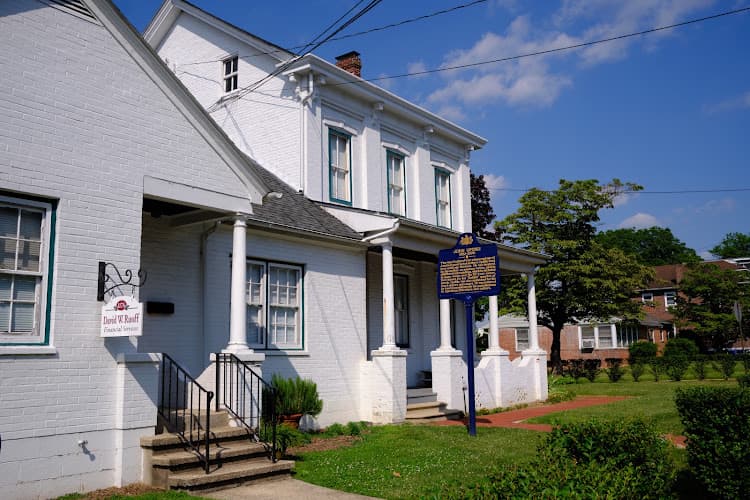
The Sinking Spring Area Historical Society operates as a community museum and preservation organization dedicated to documenting and sharing the history of Sinking Spring and its surrounding region in Berks County, Pennsylvania. Located on Evans Avenue in the borough of Sinking Spring, the society serves as a repository for local historical materials and a gathering place for residents interested in understanding the area's past.
Mission and Purpose
Historical societies in small Pennsylvania communities play a vital role in preserving local heritage that might otherwise be lost to time. The Sinking Spring Area Historical Society fulfills this function for a borough with roots extending back to the colonial era. The organization collects, preserves, and interprets artifacts, documents, photographs, and oral histories that tell the story of how this particular corner of southeastern Pennsylvania developed from its earliest settlement through its industrial period and into the modern era.
Like many local historical societies across the Commonwealth, this organization likely operates through a combination of volunteer effort and community support. These grassroots preservation efforts ensure that the stories of ordinary residents, local businesses, civic organizations, and community institutions remain accessible to future generations.
Geographic and Historical Context
Sinking Spring derives its name from a natural spring in the area where water disappears into a limestone sinkhole, a geological feature common to the limestone valleys of southeastern Pennsylvania. The borough is situated in western Berks County, approximately five miles west of Reading, the county seat. This location placed Sinking Spring within one of Pennsylvania's most historically significant regions, an area that saw substantial German immigration during the colonial period and later became an important center for agriculture and manufacturing.
Berks County itself was established in 1752, carved from portions of Chester, Lancaster, and Philadelphia counties. The region attracted settlers of German descent who established the agricultural traditions and cultural practices that characterized Pennsylvania Dutch country. Understanding this broader regional context helps explain why local historical preservation remains important to communities like Sinking Spring, where family histories often stretch back multiple generations and connections to the land run deep.
Educational Programming and Tours
The historical society offers tours for visitors interested in learning about local history. These guided experiences provide context and interpretation that visitors might not gain from simply viewing exhibits on their own. Tour programs at local historical societies typically cover topics such as the founding and early development of the community, significant historical events, notable local figures, the evolution of local industries, and changes in daily life over the decades.
Educational programming at community historical societies often extends beyond formal tours to include lectures, presentations, and special events tied to historical anniversaries or themes. These programs serve both longtime residents seeking to deepen their understanding of their community and newcomers interested in learning about their adopted home.
Family-Friendly Destination
The Sinking Spring Area Historical Society welcomes families with children, making it a suitable destination for parents seeking educational outings. Local history museums provide children with tangible connections to the past that complement what they learn in school. Seeing actual artifacts from earlier eras, viewing photographs of how the community looked decades or centuries ago, and hearing stories about how people lived in previous generations can make history come alive for young visitors.
For families with roots in the Sinking Spring area, a visit to the historical society may offer opportunities to discover information about ancestors or learn about the history of family properties and businesses. Many local historical societies maintain genealogical resources and can assist visitors researching their family histories.
Accessibility and Visitor Information
The facility provides on-site parking for visitors, with wheelchair accessible parking available in the lot. This accessibility consideration ensures that community members with mobility limitations can participate in the historical society's programs and view its collections.
Visitors planning a trip to the historical society should consult the organization for current information about hours of operation, admission policies, and any special events or programs. Like many volunteer-operated local museums, hours may be limited or by appointment, so checking in advance is advisable.
The Role of Local Historical Societies
Organizations like the Sinking Spring Area Historical Society represent an important component of Pennsylvania's cultural landscape. The Commonwealth contains hundreds of local historical societies, each dedicated to preserving the unique history of its particular community. While major museums and archives in Philadelphia, Harrisburg, and other cities preserve materials of statewide and national significance, local historical societies safeguard the grassroots history that documents how ordinary Pennsylvanians lived, worked, and built their communities.
These organizations typically rely on donations of historical materials from community members. Family photographs, business records, organizational documents, personal correspondence, and artifacts that might seem ordinary to their owners often hold significant historical value when viewed as part of a broader collection documenting community life. Local historical societies provide a permanent home for such materials, ensuring their preservation and making them available for research and public education.
Community Engagement
Historical societies serve as gathering places for community members who share an interest in local history. Many operate membership programs that provide supporters with newsletters, invitations to special events, and opportunities to participate in the organization's work. Volunteer opportunities at local historical societies range from collections care and research to event planning and visitor services.
For residents of Sinking Spring and the surrounding area, the historical society represents a resource for understanding the community's evolution and maintaining connections to its heritage. The organization's presence on Evans Avenue provides a physical location where this history is collected, preserved, and shared with each new generation of residents.