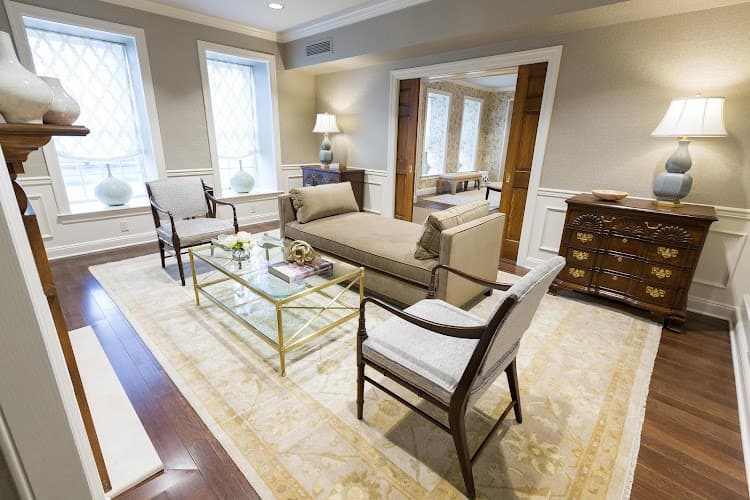
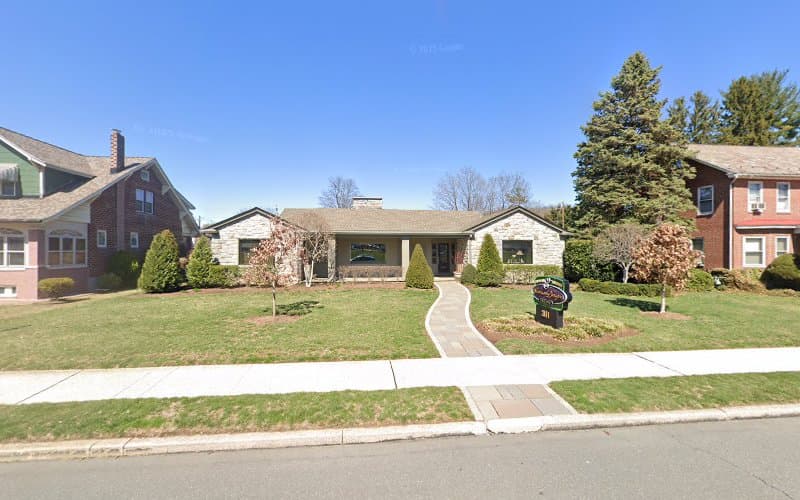
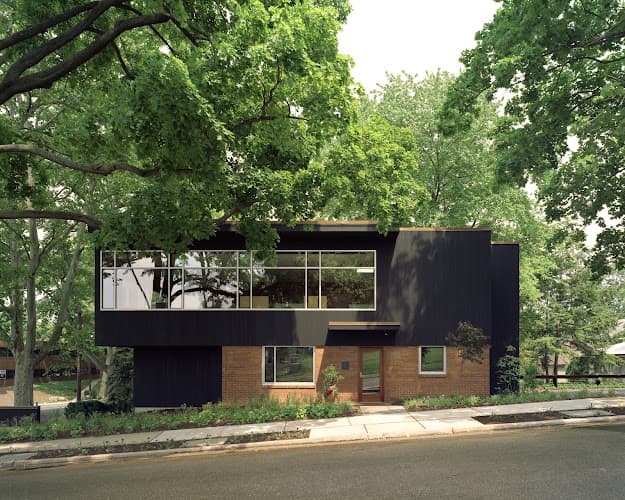
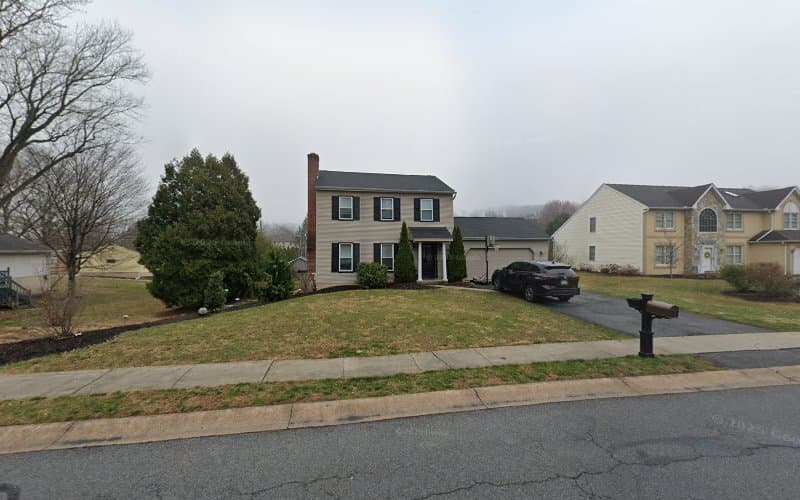
Stephanie Rado Taormina operates as an interior designer serving the Wyomissing, Pennsylvania area. Based at 504 Park Road in Wyomissing, this design practice offers professional interior design services to residential and commercial clients in Berks County and the surrounding regions of southeastern Pennsylvania.
Location and Service Area
The business is situated in Wyomissing, a borough in Berks County, Pennsylvania, located approximately 60 miles northwest of Philadelphia. Wyomissing is part of the Greater Reading metropolitan area, a region characterized by a mix of historic architecture, mid-century suburban development, and contemporary construction. This geographic positioning places the practice within reach of diverse design opportunities, from renovating historic Reading rowhouses to updating homes in newer suburban developments throughout Berks, Lancaster, Chester, and Montgomery counties.
The 19610 zip code encompasses a well-established residential community with a variety of housing stock, including single-family homes, townhouses, and apartment complexes built across multiple decades. Interior designers operating in this area typically work with clients whose homes range from early 20th-century construction to modern builds, requiring familiarity with various architectural styles and the unique challenges each presents.
Interior Design Services
Interior designers provide a range of services aimed at improving the functionality, aesthetics, and overall experience of interior spaces. While specific service offerings vary by practitioner, the field of interior design generally encompasses several core areas of expertise.
Space planning represents a fundamental aspect of interior design work. This involves analyzing how rooms and spaces are used, identifying inefficiencies in current layouts, and developing floor plans that better serve the occupants' needs. For residential clients, this might mean reconfiguring a kitchen to improve workflow, creating a more functional home office, or reimagining how a family uses their living spaces.
Material and finish selection constitutes another significant component of interior design services. Designers assist clients in choosing flooring, wall treatments, countertops, cabinetry, and other surfaces that align with both aesthetic goals and practical requirements. This selection process involves consideration of durability, maintenance needs, cost, and how materials interact with lighting and other design elements.
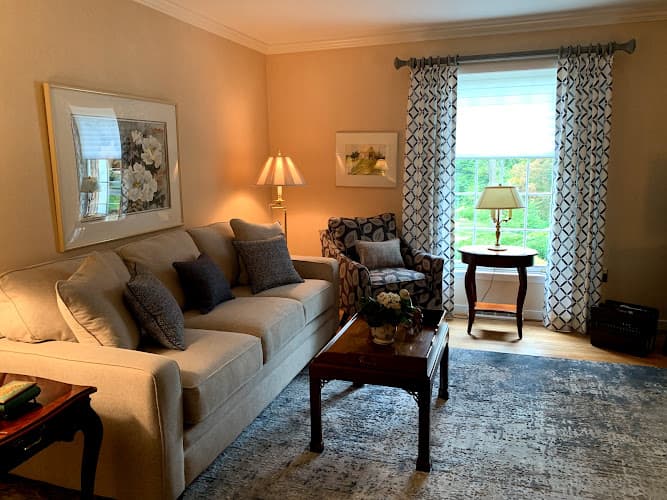
Furniture selection and arrangement falls within the interior designer's scope of work. This includes identifying appropriate furniture pieces for a space, considering scale and proportion, and arranging furnishings to create functional and visually balanced rooms. Designers often have access to trade-only furniture lines and can source pieces not available through retail channels.
Color consultation represents a specialized skill within interior design. Selecting paint colors, coordinating fabric palettes, and ensuring cohesive color flow throughout a home or commercial space requires an understanding of color theory, lighting conditions, and how colors interact with architectural features and furnishings.
Window treatment design involves selecting and specifying curtains, blinds, shades, and other window coverings that address privacy needs, light control, energy efficiency, and aesthetic considerations. Custom window treatments often require precise measurements and coordination with workrooms or manufacturers.
Lighting design encompasses both the selection of decorative fixtures and the planning of functional lighting layers. Interior designers work with ambient, task, and accent lighting to create spaces that are both practical and atmospheric.
The Design Process
Professional interior design typically follows a structured process that begins with an initial consultation. During this phase, the designer meets with the client to discuss goals, preferences, lifestyle needs, and budget parameters. This conversation establishes the foundation for the project and helps both parties determine whether they are a suitable match for working together.
Following the initial consultation, designers typically conduct a thorough assessment of the existing space. This may involve taking measurements, photographing current conditions, evaluating architectural features, and noting any structural or mechanical considerations that will influence design decisions.
The concept development phase involves creating design direction through mood boards, color palettes, and preliminary layouts. This stage allows clients to see the designer's vision before significant investments are made in furniture, materials, or construction.
Design development transforms initial concepts into detailed plans. This phase may include furniture floor plans, elevation drawings, material specifications, and detailed budgets. For projects involving construction or renovation, designers often coordinate with architects, contractors, and other trades.
Implementation involves ordering materials and furnishings, coordinating deliveries, overseeing installations, and managing the various elements required to bring the design to completion. Designers often serve as project managers during this phase, ensuring that all components come together as planned.
Residential Design Considerations
Residential interior design addresses the spaces where people live, requiring attention to both aesthetic preferences and practical daily needs. Designers working with homeowners must balance personal taste with functional requirements, creating spaces that reflect the client's personality while supporting their lifestyle.
Kitchen and bathroom design represent specialized areas within residential interior design. These spaces involve coordination with plumbing, electrical, and sometimes structural systems, requiring designers to work closely with contractors and understand building codes and regulations.
Living spaces, including family rooms, living rooms, and dining areas, present opportunities for designers to create environments that facilitate both daily activities and entertaining. Furniture arrangement, traffic flow, and the relationship between spaces all factor into successful living area design.
Bedroom design focuses on creating restful environments while addressing storage needs and personal preferences. Master suites, children's rooms, and guest accommodations each present distinct design considerations.
Home office design has become increasingly important as remote work has grown more common. Designers address ergonomics, technology integration, acoustics, and the challenge of creating professional workspaces within residential settings.
Working with an Interior Designer
Engaging an interior designer typically begins with an initial contact to discuss the scope of a potential project. Prospective clients should be prepared to describe their space, outline their goals, and discuss their timeline and budget range. This preliminary conversation helps determine whether the designer's expertise and style align with the client's needs.
Interior designers may charge for their services in various ways, including hourly rates, flat fees for defined projects, or cost-plus arrangements where the designer purchases items on behalf of the client and adds a percentage markup. Understanding the fee structure before beginning work helps establish clear expectations.
Communication represents a critical factor in successful designer-client relationships. Clients should expect regular updates on project progress, clear explanations of design decisions, and responsive answers to questions. Similarly, designers rely on timely client feedback and decisions to keep projects moving forward.
Contact Information
Stephanie Rado Taormina Interior Design can be reached by telephone at +1 610-207-7048. The business is located at 504 Park Road in Wyomissing, Pennsylvania, 19610. Prospective clients interested in discussing interior design projects may contact the business directly to inquire about services, availability, and consultation scheduling.