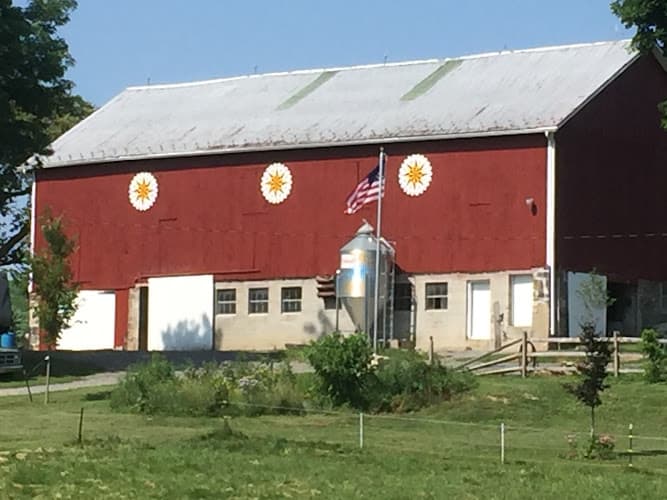
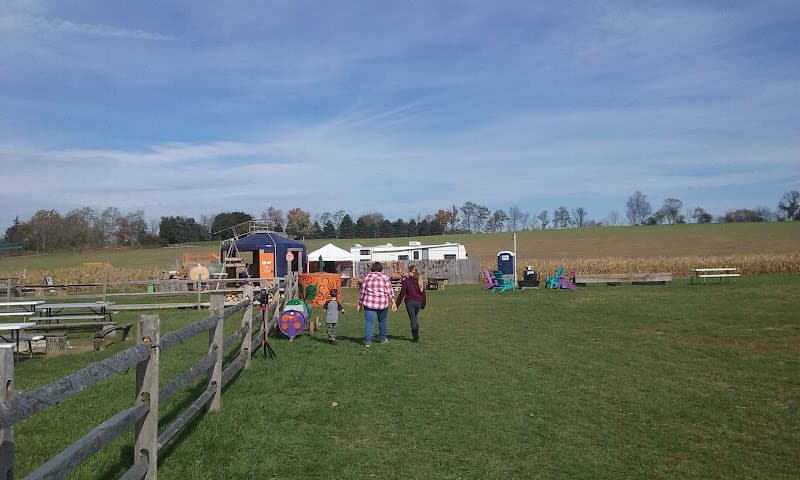
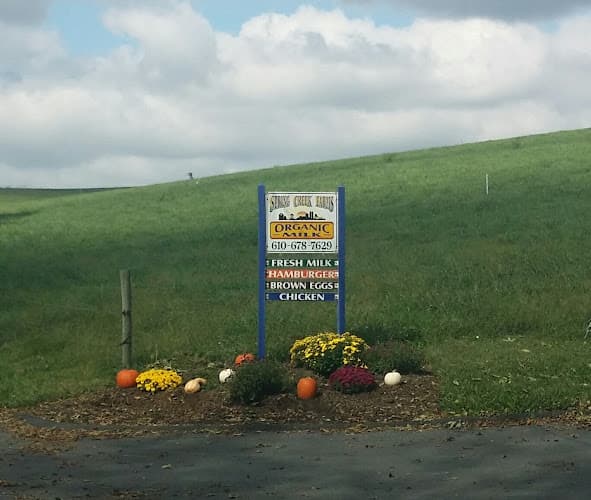
Sunny Valley Urban Farm operates as an agricultural enterprise within Pennsylvania, representing part of a broader movement of urban and peri-urban farming operations that have emerged across the United States in recent decades.
Urban Farming in Context
Urban farms occupy a distinctive niche within the agricultural landscape, typically operating on smaller acreages than traditional rural farms while maintaining closer proximity to population centers. These operations often focus on intensive production methods, growing high-value crops that benefit from reduced transportation times between harvest and sale. The urban farm model allows producers to serve local markets with fresh produce, herbs, and other agricultural products that might otherwise travel considerable distances from conventional farming regions.
Pennsylvania provides a varied agricultural environment, with the state ranking among the top producers in the nation for several crop categories. The commonwealth's diverse geography, ranging from the fertile Lancaster County farmlands to the urban corridors of Philadelphia and Pittsburgh, creates opportunities for different scales and styles of agricultural production. Urban and suburban farms in Pennsylvania often serve as bridges between the state's strong agricultural heritage and its substantial metropolitan populations.
Farm Operations and Production
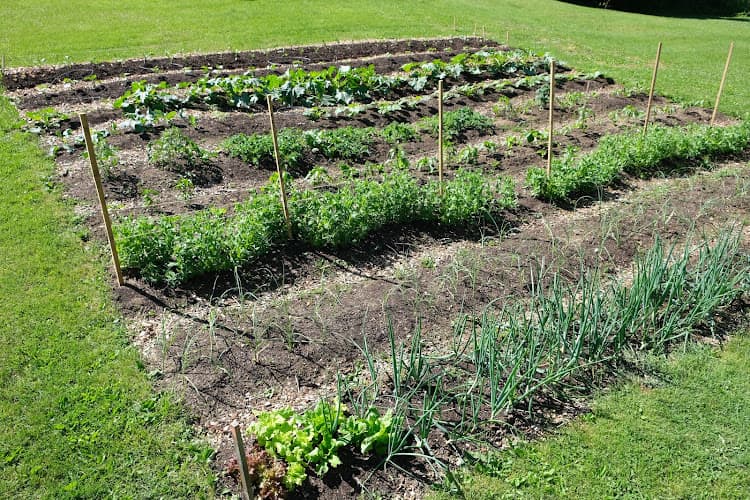
While specific details about Sunny Valley Urban Farm's production focus are not extensively documented in available business information, urban farms in the Pennsylvania region commonly concentrate on several categories of agricultural output. Vegetable production represents a primary activity for many such operations, with farms growing seasonal crops suited to the mid-Atlantic climate. Spring and summer months typically see production of tomatoes, peppers, squash, cucumbers, and leafy greens, while fall harvests may include root vegetables, brassicas, and late-season crops.
Many urban farms also incorporate herb production into their operations, growing culinary and medicinal herbs that command premium prices at farmers markets and through direct sales channels. Basil, cilantro, mint, rosemary, and other herbs travel well over short distances and appeal to consumers seeking fresh alternatives to dried supermarket options.
Some urban agricultural operations extend beyond traditional row crops to include specialty products such as cut flowers, microgreens, or seedling starts for home gardeners. These diversified product lines allow farms to maintain revenue streams across different seasons and appeal to varied customer interests.
Distribution and Sales Channels
Urban farms typically employ multiple channels to reach customers, taking advantage of their proximity to population centers. Farmers markets represent a traditional outlet for small-scale producers, providing direct interaction between growers and consumers while allowing farms to capture retail-level prices for their products. Pennsylvania hosts numerous farmers markets throughout the growing season, from small community gatherings to larger established markets in urban centers.
Community Supported Agriculture programs offer another common distribution model, wherein customers purchase shares of a farm's anticipated harvest at the beginning of the growing season. This arrangement provides farms with upfront capital for seeds, supplies, and operational expenses while guaranteeing customers regular deliveries of fresh produce throughout the season. The CSA model builds relationships between farms and their member households, creating a form of shared investment in agricultural success.
Direct farm sales, whether through on-site farm stands or delivery services, provide additional revenue opportunities. Some urban farms also develop wholesale relationships with local restaurants, grocery stores, or food cooperatives seeking locally sourced ingredients. The farm-to-table movement has created demand among chefs and food service establishments for products grown within their regional foodshed.
Educational and Community Dimensions
Urban farms frequently serve functions beyond food production, operating as educational resources and community gathering spaces. School groups, community organizations, and individual visitors may engage with urban farms through tours, workshops, or volunteer opportunities. These interactions help connect urban and suburban residents with agricultural processes that have become increasingly distant from daily experience for many Americans.
Some urban farms incorporate youth programming, offering summer camps, after-school activities, or internship opportunities that introduce young people to farming practices and food systems. These educational initiatives contribute to agricultural literacy while potentially inspiring future farmers or food system professionals.
Community gardens and collaborative growing spaces sometimes operate alongside or in connection with urban farm enterprises, providing plots where neighborhood residents can cultivate their own vegetables while learning from experienced growers. These arrangements foster community connections while expanding access to fresh produce in areas that may lack convenient retail options for quality fruits and vegetables.
Sustainable Practices
Urban farms often emphasize sustainable growing methods, though specific certifications and practices vary among operations. Many small-scale producers employ organic or near-organic techniques, minimizing synthetic pesticide and fertilizer use in favor of composting, cover cropping, and integrated pest management strategies. These approaches appeal to environmentally conscious consumers while supporting soil health over time.
Water conservation represents another common focus, with farms implementing drip irrigation, rainwater harvesting, or other efficiency measures suited to intensive production on limited acreage. Urban settings may present unique challenges and opportunities regarding water access and management.
Some urban farms incorporate composting programs that process food waste from restaurants, institutions, or residential sources, converting organic materials into soil amendments while diverting waste from landfills. These circular economy approaches align with broader sustainability goals while potentially generating additional revenue or reducing input costs.
Seasonal Considerations
Pennsylvania's climate shapes the rhythms of urban farm operations, with the growing season typically extending from late spring through early fall for outdoor production. Some farms extend their seasons through the use of high tunnels, cold frames, or greenhouse structures that protect crops from frost while capturing solar heat. These season extension techniques allow production of cold-hardy crops into winter months and enable earlier spring plantings.
Winter months may see reduced activity on farms without protected growing structures, though this period often involves planning, seed ordering, equipment maintenance, and preparation for the coming season. Some farms maintain winter markets or offer storage crops such as potatoes, onions, and winter squash that hold well after harvest.
Visiting and Engagement
Prospective customers and community members interested in learning more about Sunny Valley Urban Farm can access information about available products, market schedules, CSA membership options, and any on-farm events or activities. Contact information and directions may also be available for those wishing to visit or inquire about products and services.
Supporting local urban farms contributes to regional food security, preserves agricultural knowledge and land use, and reduces the environmental footprint associated with long-distance food transportation. These operations represent working examples of alternative food system models that prioritize local production and direct relationships between growers and eaters.