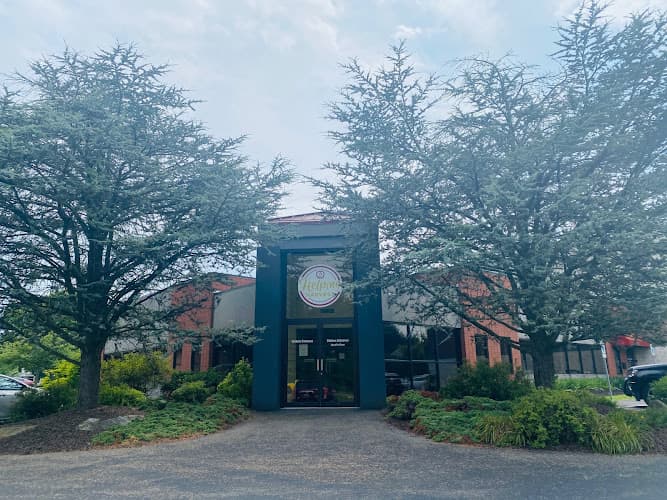
Supportive Concepts for Families, Inc. (commonly shortened to SCFF) is a nonprofit organization that provides residential, behavioral health and habilitation services for adults with intellectual and developmental disabilities (IDD) and for people living with mental health diagnoses. The organization is headquartered at 3929 Perkiomen Ave in Reading, Pennsylvania, and can be reached by phone at (610) 372-7712.
SCFF was founded in Reading in 1993. Its earliest work centered on a straightforward need: safe, clean, supportive housing for people with intellectual disabilities and mental health diagnoses who had few good options. From that starting point the organization expanded its programming and its geography, and it now operates across multiple regions of Pennsylvania, serving more than 400 people each year and ranking among the larger providers of its kind in the state. In addition to the Reading headquarters, SCFF maintains corporate locations in Carnegie, Lewistown and Lebanon.
Approach to Services
The organization describes its model as person-centered, meaning that the individual receiving services helps direct the plan rather than receiving a plan handed down to them. In behavioral support work, for example, the process is structured as a partnership: the person sets priorities, gives feedback on what is working, and the plan is adjusted accordingly. The underlying premise is that everyone has worth, strengths and resilience to build on.
SCFF names four core values that shape its programs: respect, choice, high quality care that includes attention to health and safety, and the opportunity for what the organization calls a meaningful day, every day, for every person served. In practice this shows up in decisions about where people live, how they spend their time, and how much control they have over daily routines.
Residential Programs
Residential services make up a substantial portion of what SCFF does. Community Living Arrangements place individuals in homes located within ordinary, integrated neighborhoods rather than in isolated settings. Each home is run through a family and team process intended to respond to the particular needs of the people living there, with attention to cleanliness, safety and routine.
Life Sharing is a different residential model. Rather than living in a staffed group home, an individual joins a household and becomes part of a family, supported unconditionally through good stretches and difficult ones. For some people this arrangement provides a closer, more durable sense of belonging than a traditional residence can.
SCFF also participates in the Community Hospital Integration Project Program, known as CHIPP. This program supports people who are moving out of hospital settings and back into community life, pairing housing with behavioral supportive services so that the transition is not abrupt and unsupported.
In Washington, Pennsylvania, the organization operates recovery housing for people who are well along their recovery path from drug and alcohol dependency. The housing provides a clean, safe environment, and guidance comes from team members who have personally worked through dependency themselves, which gives the program a peer dimension that residents often find more credible than instruction alone.
Habilitation and In-Home Services
IDD Supported Living, also called habilitation, delivers skills training in the places where the skills will actually be used. Instruction happens in a participant's own home and in natural community settings: learning to manage a bank account at an actual bank, for instance, rather than in a classroom simulation. The reasoning is practical. Skills taught in real environments tend to transfer to real life, which in turn allows participants more control over their own decisions and direction.
Home Based Waiver Services bring community specialists into the participant's residence. This work can cover daily living skills, physical and occupational therapy activities, outings into the community, help getting to and attending medical appointments, transportation, and specialized health services that do not require a licensed nurse. Scheduling is flexible, ranging from a single hour per day up to around the clock coverage, depending on need. Staff who deliver these services are trained in home and personal care, CPR, First Aid, Medication Administration and Fire Safety.
Crisis Intervention Services provide response support for individuals with behavioral health needs and intellectual disabilities. These services run alongside habilitation programming rather than separately from it, so that a crisis response connects back to the person's ongoing supports instead of standing alone.
Day Programming and Employment
Adult Training and Employment Supports focus on the hours outside of residential care. The program creates openings for employment, structured community activities, and activities within a safe home environment. The stated goals are confidence, friendships and social capital, which is to say the network of relationships and connections that makes independent community life workable over the long term.
Programs at a Glance
- Behavioral Support Plans built in partnership with the individual
- Crisis Intervention Services
- Community Living Arrangements (residential services)
- Life Sharing, a family-style living model
- Community Hospital Integration Project Program (CHIPP)
- IDD Supported Living and habilitation
- Home Based Waiver Services, from one hour per day up to twenty-four
- Recovery Housing in Washington, Pennsylvania
- Adult Training and Employment Supports
Working at SCFF
The organization hires both full-time and part-time staff across a range of roles, including direct care workers, program coordinators, program specialists, in-home caregivers and mental health support positions. Compensation and benefits listed by the organization include competitive pay, DailyPay access, medical, dental and vision coverage, HSA and FSA options, a 401(k), life and disability insurance, generous paid time off, sign-on and referral bonuses, and paid training and certification. Because much of the work involves direct support in homes and community settings, the organization invests in certification for new hires rather than requiring it in advance.
Location and Service Area
The Reading office at 3929 Perkiomen Ave serves as the organization's headquarters and anchors its work in Berks County. Services extend well beyond Berks, however, with additional corporate offices in Carnegie in the Pittsburgh area, Lewistown in central Pennsylvania, and Lebanon. Recovery housing is based in Washington, Pennsylvania. Individuals, families, case managers and county agencies seeking information about eligibility, openings or referrals can contact the Reading office at (610) 372-7712.