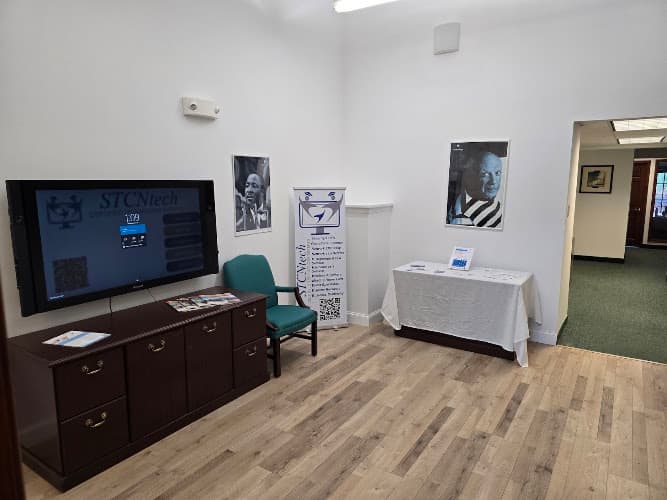
Synergy Environmental Inc is an environmental consulting firm based at 155 Railroad Plaza in Royersford, Pennsylvania, occupying first floor offices in the borough's Railroad Plaza complex. The company works in a field that sits at the intersection of real estate, construction, industrial operations and regulatory compliance, advising property owners, developers, lenders, attorneys, municipalities and businesses on the environmental conditions of land and buildings and on the requirements set by state and federal agencies.
Environmental consultants occupy a specialized role that many people encounter only once or twice, usually at a moment when something significant is at stake: a commercial property purchase, a refinancing, a redevelopment project, the closure of an underground storage tank, or a notice from a regulatory agency. Firms in this discipline combine field investigation, laboratory data interpretation, engineering judgment and regulatory negotiation. The work is documentation heavy, deadline driven and governed by published standards, which means the quality of a consultant's reporting often matters as much as the fieldwork behind it.
Typical Scope of Environmental Consulting Work
Firms operating in this sector in southeastern Pennsylvania generally handle a recognizable set of service categories. Prospective clients contacting Synergy Environmental Inc can inquire about the specific disciplines the company covers, which commonly include areas such as:
- Phase I Environmental Site Assessments, the records review, site reconnaissance and interview process used to identify recognized environmental conditions before a property transaction
- Phase II subsurface investigations involving soil borings, groundwater monitoring wells, soil gas sampling and laboratory analysis to confirm or rule out contamination
- Remediation planning, design and oversight, including excavation, soil treatment, groundwater recovery and vapor mitigation systems
- Underground and aboveground storage tank services, from testing and closure to tank removal oversight and site characterization
- Asbestos, lead based paint, mold and other building material surveys ahead of renovation or demolition
- Regulatory compliance support covering permits, reporting obligations, stormwater requirements and air quality matters
- Due diligence support for lenders and for parties pursuing liability protections tied to all appropriate inquiries
- Litigation support, cost recovery documentation and expert consultation on contaminated property disputes
Not every firm performs every one of these services in house, and clients with a defined project are best served by describing the situation directly and asking how the company would approach it.
The Pennsylvania Regulatory Setting
Much of the environmental consulting activity in this region is shaped by Pennsylvania's own framework rather than by federal rules alone. The Land Recycling and Environmental Remediation Standards Act, widely known as Act 2, established the state's voluntary cleanup program and created three cleanup standards: background, statewide health and site specific. A consultant guiding a client through Act 2 prepares notices of intent to remediate, work plans, and final reports submitted to the Pennsylvania Department of Environmental Protection, with the goal of obtaining liability relief once the department approves the report. Successfully navigating that process requires familiarity with the department's technical guidance, its regional office practices and the timelines attached to each submission.
Storage tanks fall under the Pennsylvania Storage Tank and Spill Prevention Act, which carries its own certification requirements for the individuals and companies performing tank handling, installation, inspection and site remediation. Other recurring regulatory threads include National Pollutant Discharge Elimination System permitting, erosion and sediment control plans, wetlands and waterway encroachment approvals, and air emission permitting for industrial facilities. Because requirements differ by county conservation district and DEP regional office, local experience carries practical weight.
Location and Service Area
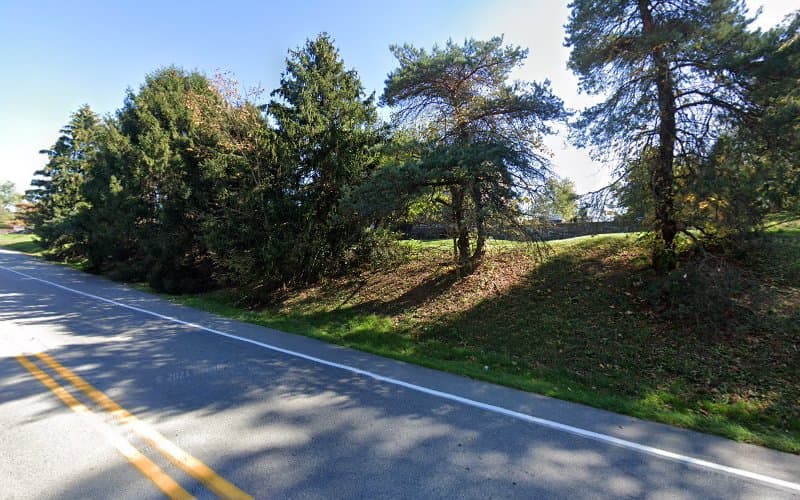
Royersford is a borough in Montgomery County situated along the Schuylkill River, directly across the water from Spring City in Chester County. The borough sits within the broader Phoenixville, Collegeville and Pottstown corridor, with convenient access to U.S. Route 422 and reasonable driving times to the Pennsylvania Turnpike and Route 100. Railroad Plaza reflects the borough's industrial and rail heritage, an area that has seen steady reuse of older commercial buildings in recent decades.
That position places the office within a region where environmental consulting demand is consistent. The Schuylkill Valley has a long manufacturing history, including steel, textiles, metal finishing and rail operations, leaving behind legacy sites that are now attractive for residential and commercial redevelopment. Former gas stations, dry cleaners, machine shops and industrial parcels throughout Montgomery, Chester, Berks, Delaware, Bucks and Philadelphia counties frequently require assessment before they change hands or are repurposed. Consultants based in this corridor are typically positioned to serve clients across southeastern Pennsylvania and, depending on licensing, into neighboring New Jersey and Delaware.
Site Features and Accessibility
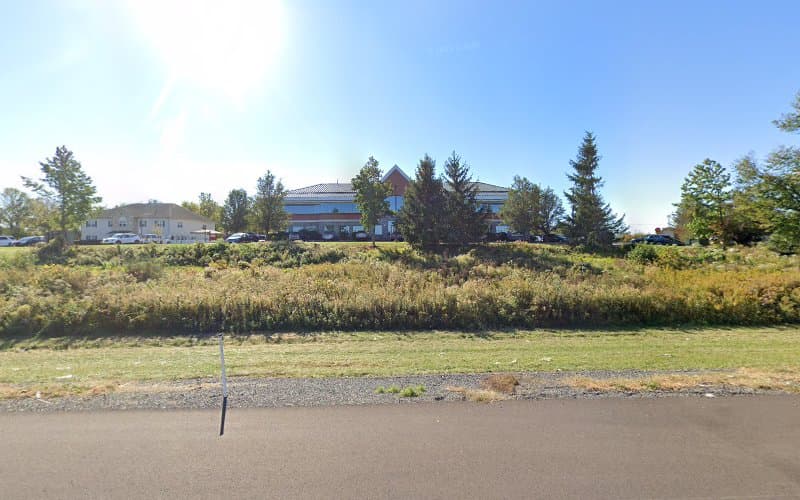
The Royersford office provides on site parking, which is a practical consideration for visitors attending project meetings or dropping off documents, and for staff mobilizing field equipment. The business reports a wheelchair accessible entrance and a wheelchair accessible parking lot, making the first floor location approachable for visitors with mobility needs.
Onsite services are offered, reflecting the nature of the profession. Environmental work cannot be completed from behind a desk alone: site walkovers, sampling, monitoring well installation oversight, building material surveys and remediation observation all require field personnel at the client's property. Clients should expect that a portion of any project involves scheduled visits to the subject site, sometimes coordinated with drillers, excavation contractors, laboratories or regulatory inspectors.
Practical Information for Prospective Clients
The company can be reached by telephone at +1 484-369-5000. Because environmental projects vary widely in scope, cost and duration, initial conversations usually focus on a handful of key details: the property address, its current and historical uses, the reason the assessment is needed, any known spills or tanks, and the deadline driving the work. Transaction related assessments in particular tend to run on tight schedules tied to due diligence periods, so contacting a consultant early in a deal is generally advantageous.
Clients planning renovation or demolition should also account for building material surveys well before contractors mobilize, since asbestos and lead findings can affect project sequencing, notification requirements and disposal costs. For businesses facing recurring compliance obligations, such as stormwater reporting or permit renewals, ongoing consulting relationships are common and can help keep filings current rather than reactive.