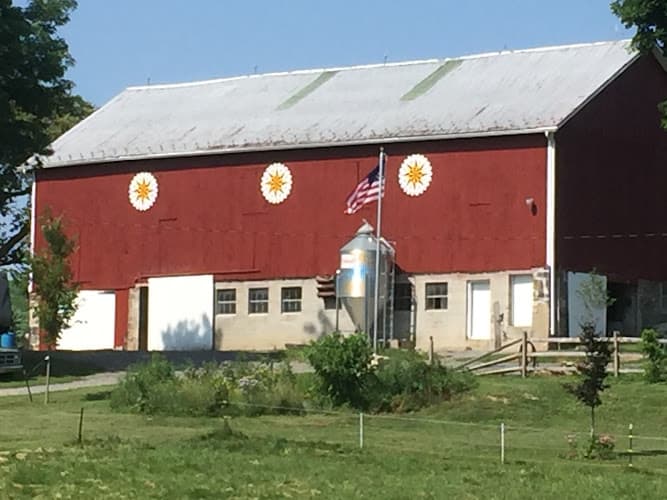
The A-Frame Apiary is a honey farm operating in Pennsylvania, specializing in the production and sale of honey and bee-related products. The business takes its name from the distinctive A-frame structure, a design element that has become associated with the operation's identity. As a small-scale agricultural enterprise focused on apiculture, The A-Frame Apiary represents part of Pennsylvania's broader tradition of local food production and beekeeping.
Understanding Apiculture in Pennsylvania
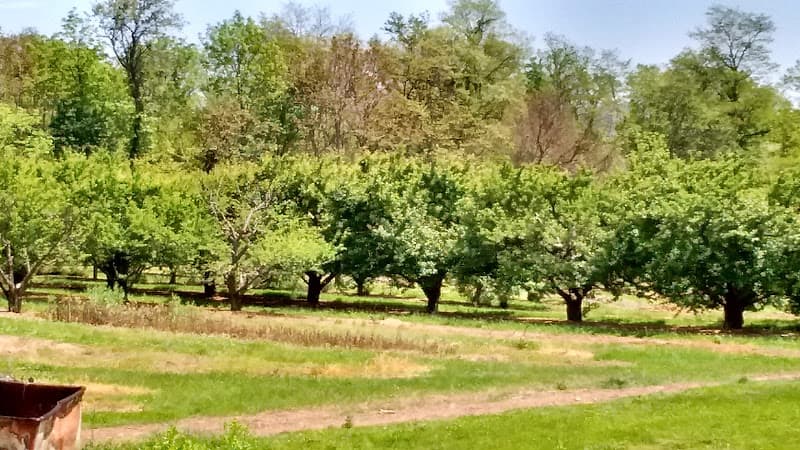
Pennsylvania has a long history of beekeeping that dates back to colonial times, when European settlers brought honeybees to the region. The state's diverse agricultural landscape, featuring orchards, farms, and extensive woodlands, provides varied forage sources for honeybee colonies throughout the growing season. This environmental diversity allows Pennsylvania apiaries to produce honey with distinctive flavor profiles that reflect local flora, including wildflowers, clover, and various tree blossoms.
Modern apiaries like The A-Frame Apiary operate within this agricultural tradition while addressing contemporary challenges facing beekeepers. These challenges include colony collapse disorder, varroa mite infestations, pesticide exposure, and habitat loss. Small-scale honey farms often employ integrated pest management strategies and sustainable practices to maintain healthy bee populations while producing honey and other hive products.
Products and Offerings
Honey farms typically offer a range of products derived from their beekeeping operations. Raw honey represents the primary product of most apiaries, harvested directly from hives and processed minimally to retain natural enzymes, pollen, and beneficial compounds. Unlike commercially processed honey, which is often heated and filtered extensively, raw honey from local apiaries maintains characteristics that many consumers seek for both culinary and potential health-related purposes.
The types of honey produced by a Pennsylvania apiary depend on the timing of harvest and the predominant nectar sources available to the bees. Spring honey often carries lighter, more delicate flavors from early-blooming plants, while fall honey tends toward darker, more robust profiles influenced by goldenrod, aster, and other late-season flowers. Some apiaries practice single-source harvesting, placing hives near specific crops to produce varietal honeys such as buckwheat, clover, or locust honey.
Beyond honey, apiaries frequently offer additional hive products:
- Beeswax, used in candles, cosmetics, wood finishing products, and various craft applications
- Propolis, a resinous substance bees collect from tree buds and use to seal their hives
- Pollen, collected by bees and harvested by beekeepers using specialized traps
- Honeycomb sections, allowing consumers to experience honey in its natural form
Some honey farms expand their offerings to include value-added products such as honey-based skincare items, beeswax candles, and culinary products that incorporate their honey into spreads, sauces, or confections.
The Role of Small-Scale Apiaries
Operations like The A-Frame Apiary serve multiple functions within their local communities and the broader agricultural ecosystem. Beyond producing honey for human consumption, managed honeybee colonies provide essential pollination services. While commercial pollination operations move large numbers of hives to service major agricultural regions, smaller local apiaries contribute to pollination in their immediate areas, benefiting home gardens, small farms, and wild plant populations.
Small-scale honey farms also play an educational role in their communities. Many beekeepers share their knowledge through farm visits, workshops, farmers market interactions, and informal conversations with customers. This educational component helps increase public awareness about pollinator health, the importance of diverse habitats, and the complexities of honey production.
The direct-to-consumer model employed by many small apiaries creates connections between producers and buyers that differ significantly from the commodity honey market. Customers purchasing from local honey farms can often learn about the specific practices used in managing the hives, the locations where bees forage, and the methods employed in harvesting and processing the honey.
Pennsylvania's Beekeeping Community
The A-Frame Apiary operates within a network of beekeeping organizations and resources available throughout Pennsylvania. The Pennsylvania State Beekeepers Association, founded in 1890, represents one of the oldest such organizations in the United States and provides support, education, and advocacy for beekeepers across the state. County-level beekeeping associations offer additional resources, including mentorship programs for beginning beekeepers and equipment-sharing arrangements.
Penn State Extension provides research-based information and educational programming related to beekeeping, and the university's Center for Pollinator Research conducts ongoing studies relevant to apiary management and pollinator health. These institutional resources support both hobbyist and commercial beekeepers in maintaining healthy colonies and productive operations.
Seasonal Considerations
Honey production follows natural seasonal patterns that influence both the availability and characteristics of products from any apiary. In Pennsylvania, the active beekeeping season typically runs from early spring through late fall, with honey harvests occurring primarily in summer and early autumn. The specific timing depends on local conditions, colony strength, and the beekeeper's management approach.
During winter months, beekeepers focus on colony survival rather than production. Bees cluster together within their hives to maintain temperature, consuming honey stores accumulated during warmer months. This seasonal rhythm means that honey availability from small producers may vary throughout the year, with fresh harvest typically available from mid-summer through fall.
Contacting The A-Frame Apiary
Interested customers can reach The A-Frame Apiary by phone at 484-948-0490. This contact method allows potential buyers to inquire about current product availability, pricing, and purchasing options. Many small apiaries sell through multiple channels, which may include on-farm sales, farmers markets, local retail partnerships, or direct delivery arrangements.
When contacting a small honey farm, customers may find it helpful to ask about the types of honey currently available, packaging sizes offered, and any seasonal products that might be in production. Beekeepers can often provide information about their specific practices, the areas where their bees forage, and recommendations for storing and using their products.
Supporting Local Agriculture
Purchasing honey from local apiaries represents one way consumers can support small-scale agriculture in their regions. The economics of small honey farms differ substantially from industrial food production, with most of the purchase price remaining with the producer rather than being distributed across extensive supply chains. This direct economic relationship helps sustain agricultural operations that might otherwise struggle to compete with lower-priced commodity products.
Local honey also offers practical benefits related to freshness and traceability. Customers can know exactly where their honey originated and how it was produced, information that becomes increasingly difficult to verify as products move through longer supply chains. For consumers interested in the provenance of their food, small apiaries offer transparency that larger operations cannot easily match.