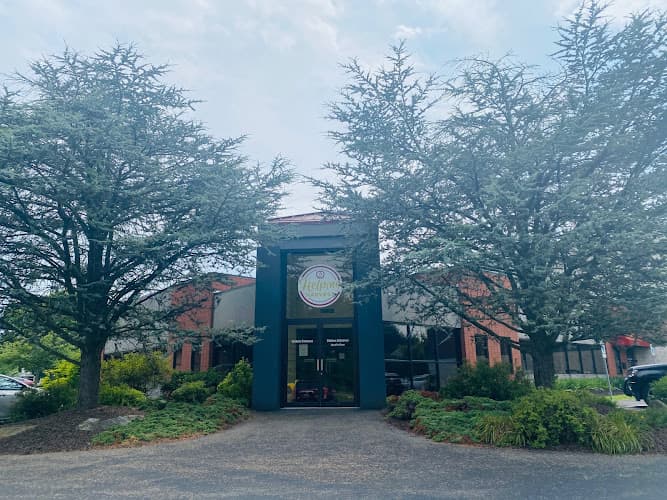
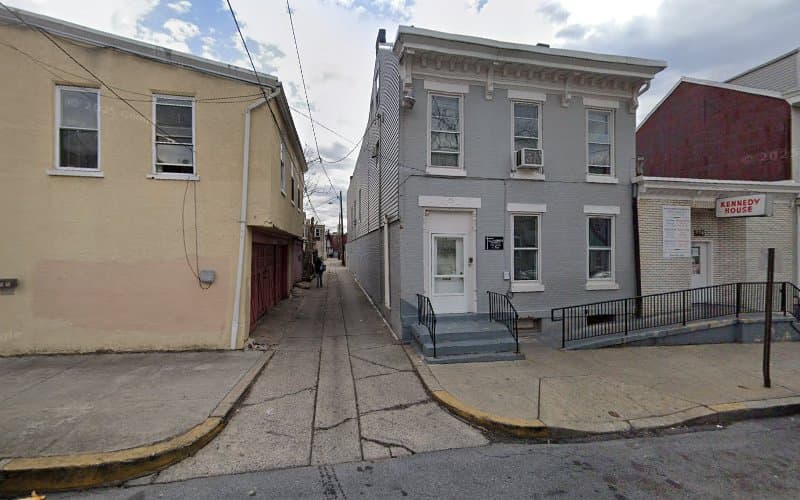
The Camel Project is located at 201 Washington Street in downtown Reading, Pennsylvania, in the heart of Berks County. The organization can be reached by phone at (610) 763-2283 and maintains a website at thecamelproject.org. Its use of a .org web address places it among the mission-driven and community-oriented organizations that operate in Reading's central business district, an area that has seen sustained investment in arts, education, social services, and small business activity over the past two decades.
Because programming, hours, and service offerings can change from season to season, the most reliable way to learn what The Camel Project currently offers is to call directly or review the organization's website. Staff and volunteers at community organizations of this kind are typically the best source of up to date information about schedules, eligibility, membership, registration, and any upcoming events.
Location and Surroundings
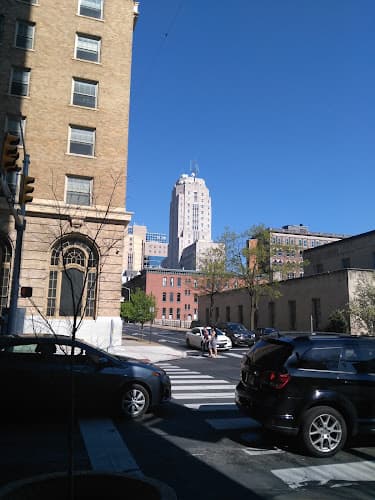
The 201 Washington Street address places The Camel Project in the downtown core of Reading, a city of roughly 95,000 residents that serves as the county seat of Berks County. Washington Street runs parallel to Penn Street, the city's main commercial corridor, and the surrounding blocks include a mix of civic buildings, professional offices, storefronts, houses of worship, and cultural venues.
Several of Reading's best known landmarks sit within a short walk or drive of this location. The Santander Arena and the Santander Performing Arts Center host concerts, sporting events, and touring productions a few blocks away. The GoggleWorks Center for the Arts, a former safety goggle factory converted into studios, galleries, classrooms, and a film theater, anchors the arts scene on the southern edge of downtown. The Berks County Courthouse, city and county administrative offices, and the Reading Public Library's main branch are also nearby, which means the neighborhood sees steady weekday foot traffic from workers, students, and residents conducting business downtown.
Reading itself sits along the Schuylkill River in southeastern Pennsylvania, roughly an hour northwest of Philadelphia and within reasonable driving distance of Allentown, Lancaster, and Harrisburg. The city is known for its industrial heritage, its role in the history of American railroading, and more recently for a growing Latino population that has reshaped the character of its downtown commerce and cultural life.
Community Context
Organizations based in downtown Reading often serve a broad and diverse population. According to census figures, a majority of Reading residents identify as Hispanic or Latino, and the city has a significant number of households that rely on neighborhood-level services and programming. Nonprofits, faith-based groups, youth organizations, and volunteer-run initiatives form an important part of the civic infrastructure here, frequently collaborating with schools, the city government, and regional foundations.
A central downtown address carries practical advantages for a community organization. It places the group within walking distance of residential neighborhoods, keeps it accessible to people who use public transportation, and situates it near partner agencies and institutions. For residents of Reading's northeast, northwest, and southern neighborhoods, downtown is generally the most convenient place to access services and gatherings without needing a car.
Getting There and Parking
Visitors traveling by car can reach the area from U.S. Route 422, which passes through Reading, or from Route 61 and Route 12, which feed into the city from the north. Interstate 176 connects Reading to the Pennsylvania Turnpike to the south.
- Street parking is available on Washington Street and adjacent blocks, with metered spaces typical of the downtown district.
- Several public parking garages operate within the central business district, including facilities near the Penn Street corridor and the arena.
- BARTA, the Berks Area Regional Transportation Authority, operates bus routes throughout Reading and Berks County, with the BARTA Transportation Center located downtown and serving as the hub for most lines.
- The downtown grid is walkable, and many of the blocks surrounding Washington Street are accessible on foot from nearby neighborhoods.
Anyone visiting for the first time may want to confirm hours of operation in advance, since smaller organizations sometimes keep schedules tied to specific programs, events, or volunteer availability rather than standard retail hours.
What Visitors May Want to Ask About
When contacting an organization like The Camel Project for the first time, it can be useful to have a few questions ready. Depending on the nature of the work being done at 201 Washington Street, the following topics commonly come up:
- Current hours and whether appointments or advance registration are needed.
- The specific programs, services, or events offered and who is eligible to participate.
- Whether there are costs, fees, membership requirements, or free access options.
- Volunteer opportunities, internships, or other ways for community members to get involved.
- Donation methods, sponsorship options, and how contributions are used.
- Accessibility features of the building and available accommodations.
- Languages spoken by staff and volunteers, which is a common consideration in Reading.
- Partnerships with schools, congregations, or other local agencies.
Contact and Practical Information
The Camel Project is located at 201 Washington Street, Reading, Pennsylvania 19601. The organization can be reached by telephone at (610) 763-2283, and additional information is published at thecamelproject.org. The website is generally the best place to find current announcements, program calendars, and details about the organization's mission and leadership.
For those new to the area, the 19601 ZIP code covers much of central and northwestern Reading, including the downtown district and surrounding residential blocks. Visitors coming from outside Berks County should allow a few extra minutes to navigate the one-way streets that characterize parts of the downtown grid.
Community organizations depend heavily on word of mouth, local partnerships, and direct engagement with the people they serve. Reaching out by phone or through the website remains the clearest path to understanding how The Camel Project operates, what it offers, and how residents of Reading and the wider Berks County region can participate or lend support.