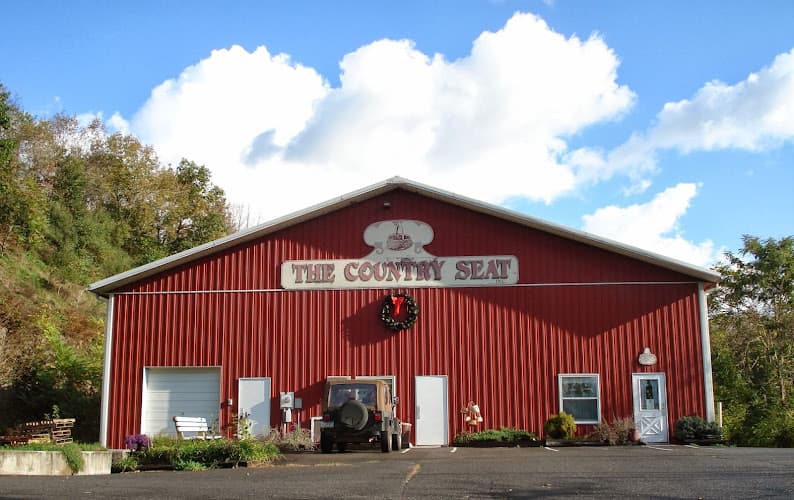
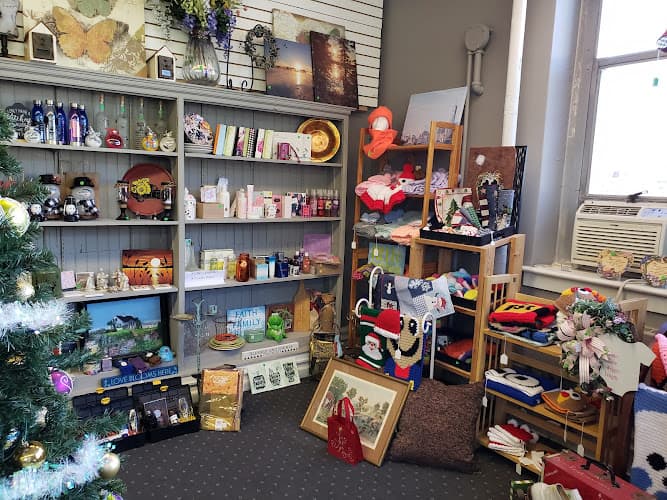
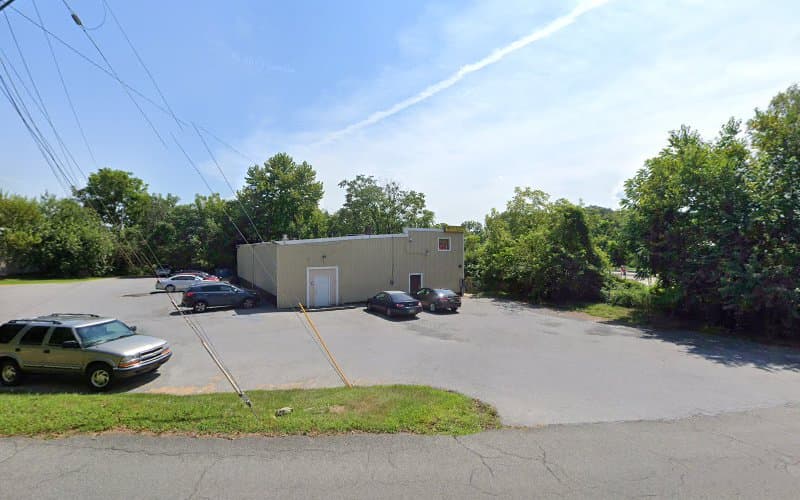
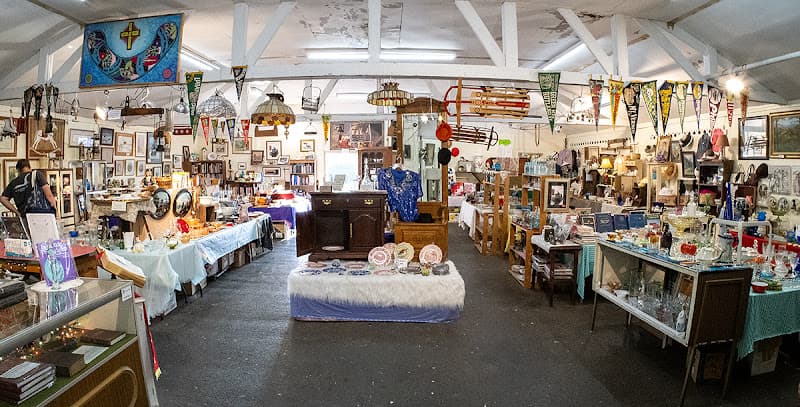
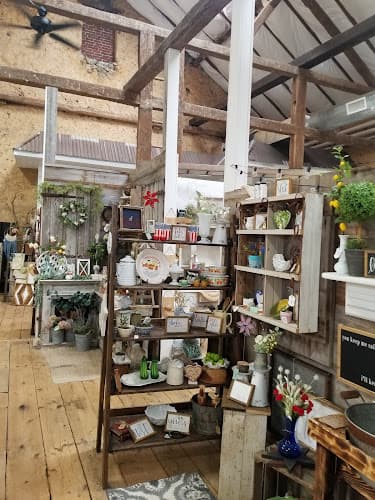
The Country Seat, Inc. is a specialty craft supply store in Kempton, Pennsylvania, serving basket makers, chair caners, seat weavers and fiber artists. Located at 1013 Old Philly Pike in rural Berks County, the shop occupies a corner of the state better known for farmland and the ridges around Hawk Mountain than for retail, yet it has built a customer base that reaches well beyond its immediate region. The business operates as both a walk in store and a mail order supplier, filling orders for weavers across the United States who may never set foot in the building.
The store concentrates on a category of materials that has become difficult to find in general craft chains: natural and synthetic weaving materials sold by the coil, hank, pound or foot, along with the tools, hardware and reference books that go with them. Rather than stocking a little of everything, the business focuses narrowly on basketry and seat weaving and carries depth within those categories.
Seat Weaving and Chair Restoration Supplies
A significant part of the inventory supports chair seat repair, a trade that covers several distinct techniques, each requiring its own materials. Customers restoring antique and vintage furniture typically need one of the following, and the shop stocks materials associated with each:
- Hand caning strand in the full range of widths, from superfine through common and wide binder cane, sold in hanks for six way and seven way patterns
- Pressed cane webbing in sheet form, used with spline for machine caned chairs, along with the spline stock and wedges needed to seat it
- Fiber rush and natural rush materials for the twisted, four cornered seats found on ladder back and country chairs
- Flat and flat oval reed, binder cane and ash splint for woven splint seats and backs
- Danish seat cord, shaker tape and similar tapes for woven modern and Shaker style frames
- Rawhide, hickory bark and other specialty materials used in traditional and regional chair making
Matching the right cane size to an existing chair is the step where most first time restorers get stuck, because the correct width is determined by the diameter of the drilled holes and the spacing between their centers. Staff at the store work through that measurement process with customers, and people who live within driving distance sometimes bring the chair itself along so the frame can be assessed directly. The result is a purchase sized to the actual project rather than an estimate, which matters when a hank of cane or a sheet of webbing is being bought for a single seat.
Basketry Materials
The basketry side of the store covers the full progression of a project, from the base to the rim. Inventory in this area generally includes round reed in a wide span of sizes, flat and flat oval reed, smoked and dyed reed, seagrass, cane, raffia, waxed linen and other cordage. Structural components such as wooden bases, D handles, swing handles, notched handles, hoops and rims are stocked alongside the fasteners, tacks and lashing materials used to secure them.
Tools carried by shops of this type include packing tools, awls, shavers, reed cutters, spoke weights, clothespins and measuring gauges, and the store also carries dyes and finishes for coloring and sealing completed work. Pattern books, instructional titles and project kits round out the selection, giving newer weavers a structured entry point and experienced makers a source for reference material that rarely appears in mainstream bookstores.
Guidance and Technical Knowledge
Because both basketry and seat weaving are traditional crafts with regional variations and a long history, the practical knowledge behind the counter functions as part of the inventory. Questions that come up routinely include how much material a given seat size will consume, how to soak and condition reed without damaging it, which weight of fiber rush suits a particular chair frame, and how to handle a repair where the original weave has partially survived. The staff answer these questions as part of ordinary business, and customers frequently describe the advice as a factor in their decision to keep ordering from the shop rather than from larger, more generalized suppliers.
Material quality is a recurring point of discussion in these crafts. Reed and cane are natural products that vary by growing region, harvest and processing, and inconsistencies in width, color or brittleness can undermine an otherwise careful piece of work. Suppliers that specialize in these goods tend to be more selective about their sources than general retailers, and The Country Seat has developed a reputation among weavers for the consistency of what it ships.
Mail Order and Online Catalog
The business maintains an online catalog where customers can browse materials by category and place orders for delivery. For weavers in areas without a local supplier, this is the primary way they interact with the store, and many have done so for years. Orders are typically processed and shipped promptly, which is useful for guild projects, class preparation and repair work that is running against a deadline. Telephone orders and questions are handled at +1 610-756-6124.
Visiting the Store
The Kempton location sits in the northern part of Berks County, near the Schuylkill County line and within reach of Hamburg, Lenhartsville, Kutztown and Allentown. The surrounding area is agricultural and scenic, and the shop itself has the character of a small country business rather than a warehouse showroom. Visitors often combine a stop with a trip to Hawk Mountain Sanctuary or the Kempton area attractions nearby.
Practical details for planning a visit:
- Address: 1013 Old Philly Pike, Kempton, Pennsylvania 19529
- Telephone: +1 610-756-6124
- Wheelchair accessible entrance, restroom and parking lot
- Identified as a women owned business
- Identified as LGBTQ+ friendly
Because the store is rural and its hours are set around a working shop rather than mall schedules, calling ahead before making a long drive is a reasonable step, particularly for anyone bringing furniture along for measurement or hoping to discuss a complicated repair at length.
Who Uses the Shop
The customer base spans furniture restorers and antique dealers, hobbyist basket makers, guild members, teachers assembling supplies for workshops, historic site volunteers maintaining period furnishings, and homeowners with a single family chair that needs a new seat. That mix reflects the position the business occupies: a working supply house for professionals that remains approachable for someone attempting a first project.