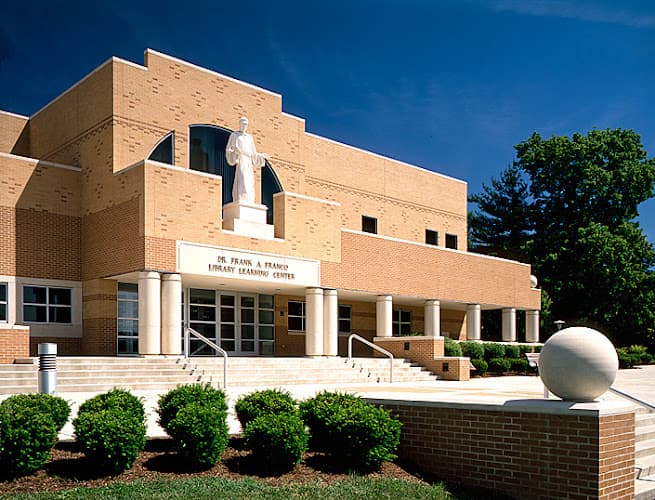
The Franco Library serves as the primary academic library for Alvernia University, a private Franciscan institution located in Reading, Pennsylvania. Situated at 460 St Bernardine Street on the university's main campus, the library functions as a central resource hub for students, faculty, and researchers affiliated with the institution. The facility supports the academic mission of Alvernia University by providing access to scholarly materials, research assistance, and study spaces that serve the diverse educational programs offered at the university.
Institutional Context
Alvernia University traces its origins to 1958 when it was founded by the Bernardine Sisters of St. Francis. The institution operates within the Franciscan Catholic tradition, emphasizing values of service, humility, and community engagement alongside academic excellence. The Franco Library exists within this educational framework, serving a student body that pursues undergraduate and graduate degrees across multiple disciplines including nursing, criminal justice, business, education, and the liberal arts.
The library takes its name from benefactors who contributed to the development of the facility, reflecting the philanthropic support that has shaped Alvernia's campus over the decades. As a component of a smaller private university, the Franco Library operates with a focus on personalized service and direct engagement with library users, distinguishing it from larger research university libraries that may prioritize collection size over individual attention.
Collections and Resources
Academic libraries of this type typically maintain collections that align with the curricular needs of their parent institutions. For Alvernia University, this means the Franco Library likely houses materials supporting programs in healthcare fields, social sciences, business administration, and humanities disciplines. University libraries in the twenty-first century have increasingly shifted toward digital resources, with electronic databases, e-books, and online journal subscriptions comprising a significant portion of accessible materials.
The library provides access to standard academic databases that allow students and faculty to conduct research across peer-reviewed journals, scholarly publications, and primary source materials. Interlibrary loan services typically extend the reach of smaller academic libraries by enabling patrons to request materials from partner institutions when specific items are not held locally. This cooperative approach allows the Franco Library to provide access to a broader range of scholarly resources than its physical collection alone would permit.
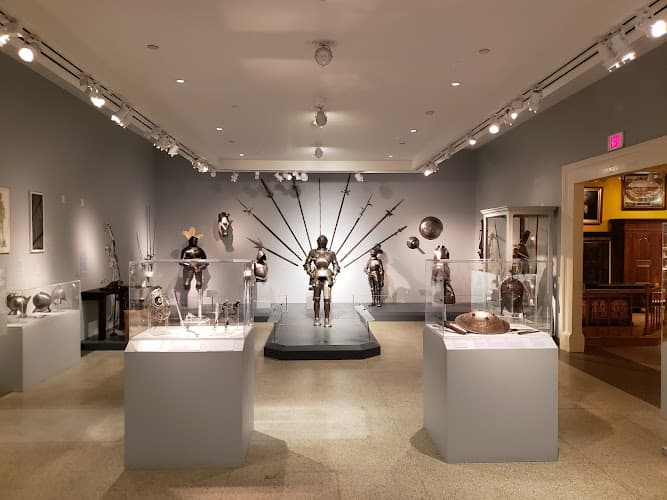
Special collections at university libraries often include materials related to institutional history, regional studies, or areas of particular academic emphasis. Given Alvernia's Franciscan heritage, the Franco Library may maintain resources related to Franciscan spirituality, Catholic intellectual tradition, or the history of the Bernardine Sisters in Pennsylvania.
Services and Support
Reference and research assistance represents a core function of academic libraries. Library staff at institutions like Alvernia typically provide guidance on research strategies, database navigation, citation formatting, and source evaluation. This assistance may be available through in-person consultations, email correspondence, or scheduled appointments with reference librarians who specialize in particular subject areas.
Information literacy instruction forms another significant component of academic library services. Librarians frequently collaborate with faculty members to deliver classroom sessions that teach students how to locate, evaluate, and ethically use information sources. These sessions may be integrated into first-year experience courses, discipline-specific classes, or capstone projects that require substantial research components.
The library likely offers circulation services for physical materials, including books, periodicals, and media items. Academic libraries typically maintain lending policies that accommodate the semester-based rhythm of university life, with extended loan periods for faculty and graduate students engaged in longer-term research projects.
Facilities and Study Spaces
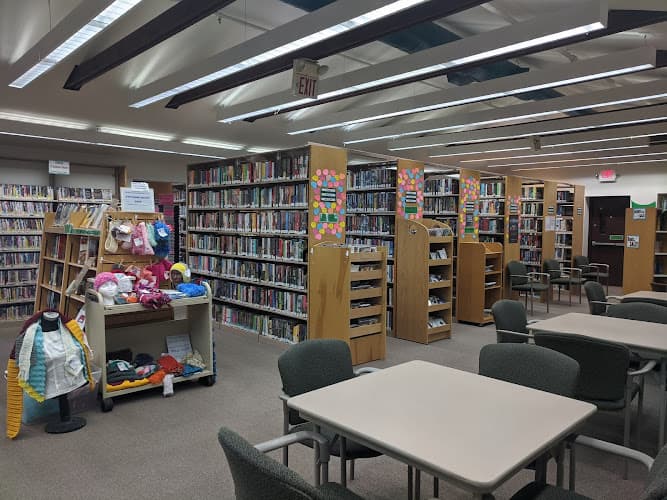
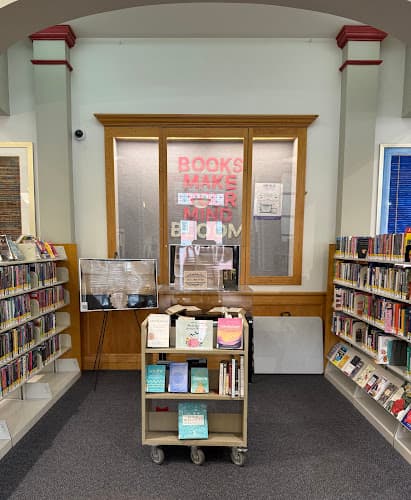
The Franco Library building provides physical spaces designed to support various modes of academic work. University libraries generally offer a combination of quiet study areas for individual concentration, collaborative spaces for group projects, and computer workstations for digital research and writing. The allocation and design of these spaces reflects contemporary understanding of how students learn and complete academic work.
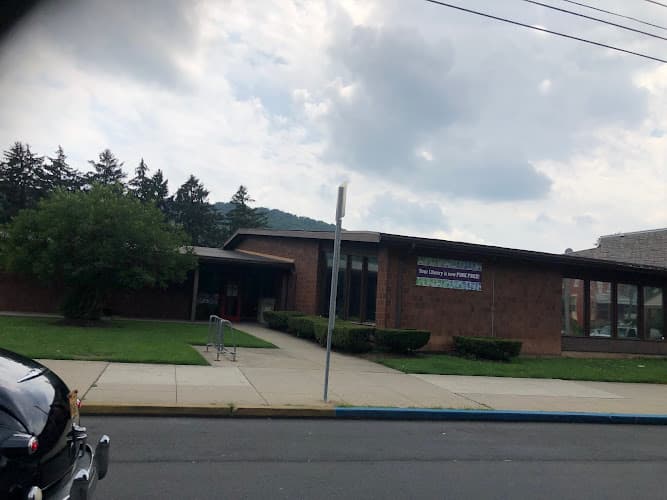
The facility maintains wheelchair accessible entrances and parking areas, ensuring that patrons with mobility considerations can access library services without barriers. This accessibility infrastructure reflects both legal requirements under the Americans with Disabilities Act and institutional commitment to serving all members of the university community.
Library hours at academic institutions typically extend beyond standard business hours to accommodate student schedules, with evening and weekend availability during the academic year. Extended hours during examination periods are common practice at university libraries, recognizing the increased demand for study space and research support during these intensive academic periods.
Campus Integration
The Franco Library occupies a position on the Alvernia campus that reflects the central role libraries play in university life. The campus setting in Reading, Pennsylvania places the library within a broader educational environment that includes classroom buildings, residence halls, athletic facilities, and administrative offices. This integration means the library functions not as an isolated resource center but as a connected component of the overall educational experience.
Reading, located in Berks County approximately sixty miles northwest of Philadelphia, provides the regional context for Alvernia University and its library. The city's industrial heritage and diverse population have shaped the university's community engagement initiatives, and the library may support these connections through resources related to local history, community partnerships, or service-learning programs.
Technology and Digital Services
Modern academic libraries function as technology hubs as much as book repositories. The Franco Library likely provides computer workstations, wireless internet access, printing and scanning equipment, and potentially specialized software for academic applications. Technology lending programs at some university libraries extend to laptops, tablets, calculators, or other devices that students may need for coursework.
Online catalog systems allow users to search library holdings, place requests, and manage their accounts remotely. Access to subscription databases typically requires authentication through university credentials, enabling students and faculty to conduct research from locations beyond the physical library building.
Contact and Access Information
The Franco Library can be reached by telephone at +1 610-796-8223 for inquiries about hours, services, or specific research questions. Visitors to campus can locate the library at 460 St Bernardine Street in Reading, with accessible parking available for those who require it.
As with most academic libraries, access policies may differ for various user groups. Current Alvernia students, faculty, and staff typically have full borrowing privileges and database access, while community members and visiting researchers may have more limited access depending on institutional policies. Prospective students and their families visiting campus can generally tour the library facilities as part of the admissions process.