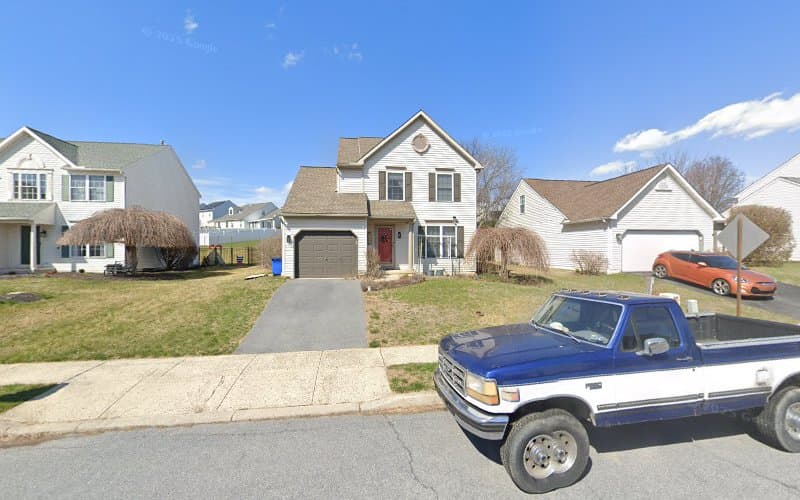
The Kemper Family Farm
The Kemper Family Farm in Leesport, PA, offers a variety of organic produce grown with care and sustainability in mind.
About The Kemper Family Farm
Overview
The Kemper Family Farm is an organic agricultural operation located at 1005 Cathy Dr in Leesport, Pennsylvania. Situated in Berks County, the farm operates within a region that has maintained strong agricultural traditions since the colonial era. Leesport itself is a small borough along the Schuylkill River, approximately seven miles north of Reading, placing the farm in an area where rural farming communities have persisted despite broader regional development pressures.
Agricultural Context and Regional Setting
Berks County has historically ranked among Pennsylvania's leading agricultural counties, with a landscape characterized by rolling hills, fertile valleys, and a mix of small family farms alongside larger commercial operations. The region's soil composition, derived from limestone and shale formations, combined with a humid continental climate featuring adequate rainfall throughout the growing season, creates favorable conditions for diverse crop production. Organic farms in this area benefit from these natural advantages while adhering to practices that maintain soil health and ecological balance.
The Leesport area specifically sits within the Great Valley section of the Ridge and Valley physiographic province. This geographic positioning provides the moderate temperatures and consistent precipitation patterns that support extended growing seasons. Local organic farms in this corridor typically operate from early spring through late fall, with some maintaining greenhouse or cold storage facilities to extend availability of certain products.
Organic Farming Practices
As an organic farm, The Kemper Family Farm operates under guidelines that prohibit the use of synthetic pesticides, herbicides, chemical fertilizers, and genetically modified organisms. Organic certification in the United States requires adherence to standards established by the United States Department of Agriculture's National Organic Program, which mandates specific soil management practices, pest control methods, and record-keeping protocols.
Organic farms typically employ several key practices to maintain soil fertility and manage pests without synthetic inputs:
- Crop rotation systems that prevent nutrient depletion and interrupt pest and disease cycles
- Cover cropping to protect soil structure, prevent erosion, and fix atmospheric nitrogen
- Composting and application of organic matter to build soil health over time
- Integrated pest management using beneficial insects, physical barriers, and approved organic treatments
- Mechanical cultivation for weed control rather than herbicide application
These methods require more intensive management and labor compared to conventional farming approaches, but they contribute to long-term soil viability and produce crops without synthetic chemical residues. Family-operated organic farms often develop specialized knowledge of their particular land over generations, learning which varieties perform best in their specific microclimate and soil conditions.
Family Farm Operations in Pennsylvania
Pennsylvania maintains one of the highest concentrations of family farms in the United States, with agriculture contributing significantly to the state's economy and cultural identity. Family farms, as distinguished from corporate agricultural operations, are typically characterized by ownership structures where the farming family provides the majority of labor and management decisions, maintains direct involvement in daily operations, and often passes agricultural knowledge and land stewardship responsibilities across generations.
The designation of a farm as a family operation often indicates certain operational characteristics. Family farms frequently maintain diversified production rather than monoculture approaches, as spreading risk across multiple crops or products provides economic stability. They may also be more likely to engage directly with local markets, including farmers markets, community-supported agriculture programs, and direct sales to consumers and restaurants.
In Berks County, family farms have faced challenges common to agricultural operations throughout the northeastern United States, including rising land values, development pressure, and competition from larger industrial farming operations. However, the growth of consumer interest in locally produced and organic foods has created new market opportunities for smaller family operations that can differentiate their products based on production methods and local provenance.
The Organic Market in Southeastern Pennsylvania
The greater Reading area and surrounding Berks County communities have experienced growing demand for organic and locally produced agricultural products over recent decades. This trend reflects broader national patterns of increased consumer interest in food production methods, environmental sustainability, and support for local agricultural economies.
Organic farms in this region typically serve multiple market channels. Direct-to-consumer sales may occur through on-farm stands, participation in regional farmers markets, or community-supported agriculture memberships where customers purchase seasonal shares of farm production. Some organic farms also supply restaurants, food cooperatives, and natural food retailers seeking locally sourced organic ingredients.
The proximity of Berks County to larger population centers, including Reading, Allentown, and the Philadelphia metropolitan area, provides organic farms with access to substantial consumer markets while maintaining the rural character and agricultural land base necessary for farming operations.
Seasonal Considerations
Agricultural operations in southeastern Pennsylvania follow seasonal patterns dictated by climate conditions. The growing season typically extends from late April through October, though specific timing varies based on crop types and weather patterns in any given year. Spring brings planting of cool-season crops and preparation of fields for warm-season varieties. Summer represents the peak production period for most vegetables and fruits, while fall harvests include storage crops, late-season produce, and preparation for winter dormancy.
Organic farms often maintain extended seasons through various techniques, including succession planting of quick-maturing crops, use of cold frames or hoop houses to protect plants from frost, and selection of varieties suited to different parts of the growing season. Some operations also offer preserved or value-added products that extend availability beyond the fresh harvest period.
Location and Access
The Kemper Family Farm's location on Cathy Drive in Leesport places it in a residential-agricultural transitional area typical of small Pennsylvania boroughs. Leesport is accessible via Route 61, which runs north-south through the region, and is located near the intersection of several local roads that connect surrounding townships. The borough's position along the Schuylkill River historically made it a transportation hub, and modern road networks continue to provide connectivity to the broader region.
Visitors to farms in this area should note that agricultural operations often maintain specific hours for public access, which may vary seasonally based on production cycles and staffing. Direct contact with the farm is advisable to confirm current availability, product offerings, and any protocols for farm visits.
Supporting Local Agriculture
Organic family farms represent a segment of American agriculture that emphasizes environmental stewardship, community connection, and sustainable production methods. By maintaining farming operations on land that might otherwise face development pressure, these farms contribute to the preservation of agricultural landscapes and rural character in regions experiencing suburban expansion.
Consumer support for local organic farms extends beyond individual purchasing decisions to encompass broader impacts on regional food systems, farmland preservation, and agricultural employment. Each farm that remains viable contributes to the maintenance of agricultural infrastructure, knowledge, and land use patterns that benefit surrounding communities.
Contact Information for The Kemper Family Farm
Customer Reviews
No reviews yet.
Working Hours / Hours of Operation
Location Map
Similar Farms Near Leesport, PA
BerksConnect: everything local in Berks County, PA.
8,700+ local businesses with AI-summarized reviews, plus local guides, jobs, and what's happening around the county.