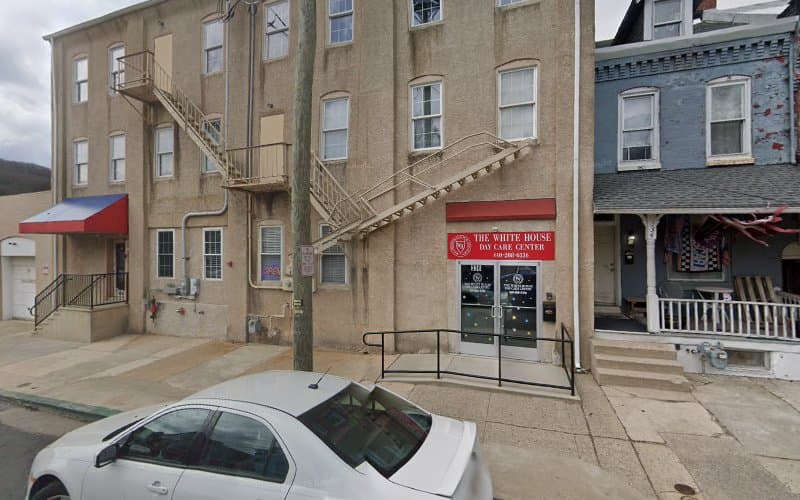
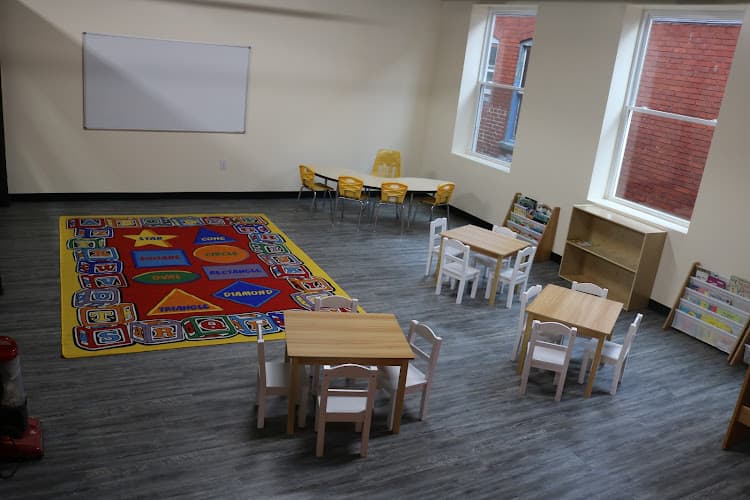
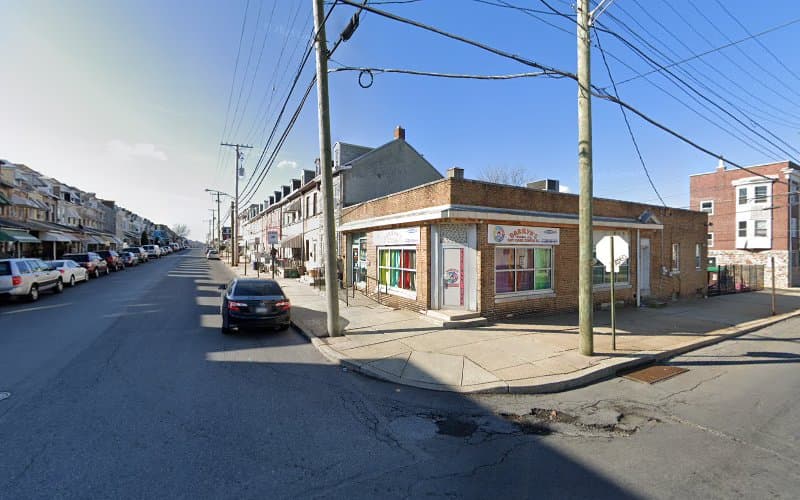
The White House Day Care LLC operates as a child care facility providing after school programming for families in Reading, Pennsylvania. Located at 336 South 18th Street in the 19602 zip code, the center serves the educational and supervisory needs of school-age children during the critical hours between the end of the regular school day and when parents or guardians complete their work schedules. The facility functions within the broader network of child care providers serving Berks County and the greater Reading metropolitan area.
After School Programming and Services
As an after school program provider, The White House Day Care LLC addresses a significant need within the community for supervised care during the afternoon and early evening hours. After school programs typically serve children from kindergarten through middle school age, providing a structured environment where students can complete homework, participate in recreational activities, and receive supervision until their families can retrieve them following the workday.
After school care facilities generally offer a range of services designed to support both the developmental needs of children and the practical scheduling requirements of working families. These services commonly include homework assistance and tutoring support, allowing students to complete assignments with adult guidance. Many programs also incorporate enrichment activities such as arts and crafts, physical education, and group games that promote social development and physical activity.
The structured nature of after school programs provides children with routine and stability during hours that might otherwise be unsupervised. Research in child development has consistently shown that quality after school care can contribute positively to academic performance, social skill development, and overall well-being. For working parents, access to reliable after school care enables continued employment and provides peace of mind regarding their children's safety and activities during non-school hours.
Location and Community Context
The facility's location on South 18th Street places it within the city of Reading, the county seat of Berks County and the fourth-largest city in Pennsylvania. Reading has a population of approximately 95,000 residents within city limits and serves as the economic and cultural center for the surrounding region. The city's diverse population includes significant numbers of working families who rely on child care services to maintain employment while ensuring their children receive appropriate supervision and developmental support.
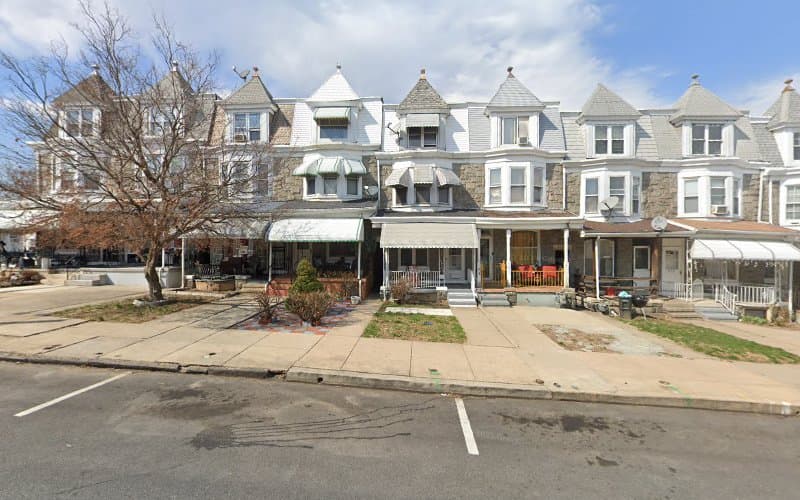
The 19602 zip code encompasses portions of south Reading, a residential area with a mix of housing types and family demographics. The neighborhood context of a child care facility often plays an important role in its accessibility to families, as proximity to home, school, or work can significantly impact the practicality of utilizing a particular provider. Urban locations like South 18th Street typically offer advantages in terms of accessibility via public transportation and walkability for families without personal vehicles.
Reading's economy has undergone significant transitions over the past several decades, shifting from its historical manufacturing base toward service industries, healthcare, and education. This economic evolution has influenced the child care landscape, as changing work patterns and schedules create varying demands for care services. After school programs in particular have grown in importance as more households require two incomes and traditional extended family support networks have become less available in many communities.
Regulatory Framework for Child Care in Pennsylvania
Child care facilities in Pennsylvania operate under the oversight of the Pennsylvania Department of Human Services, which establishes licensing requirements and standards for various types of care providers. These regulations address staff-to-child ratios, facility safety requirements, staff qualifications and background checks, health and sanitation standards, and programming guidelines. Compliance with these regulations is monitored through periodic inspections and ongoing reporting requirements.
After school programs may be subject to different regulatory categories depending on their specific structure and the ages of children served. Pennsylvania distinguishes between various types of child care facilities, including child care centers, group child care homes, and school-age programs, each with corresponding regulatory frameworks. Facilities serving school-age children exclusively may operate under regulations specifically tailored to the needs and developmental stages of older children, which differ from those governing infant and toddler care.
Parents considering child care options are generally advised to verify the licensing status of any facility and to review inspection reports, which are typically available through the state's child care licensing database. These reports provide information about compliance history and any citations or corrective actions that may have been required.
The Role of After School Care in Child Development
The hours immediately following the school day represent a significant period in children's daily routines. Educational researchers have identified this time as both an opportunity for continued learning and a potential period of vulnerability if children lack appropriate supervision. Quality after school programs aim to bridge this gap by providing environments that extend the educational day while also allowing for necessary recreation and socialization.
Homework support represents a core component of many after school programs. By providing dedicated time and adult assistance for completing assignments, these programs can help students stay current with their academic work and develop effective study habits. For children who may lack quiet study spaces or academic support at home, after school programs can serve as an equalizing factor in educational outcomes.
Physical activity is another important element typically incorporated into after school programming. Following a school day that may involve extended periods of seated instruction, children benefit from opportunities for active play and structured physical activities. Programs that include outdoor play time, organized sports, or other physical components contribute to children's overall health and can improve focus and behavior.
Social development occurs naturally within the group setting of after school programs. Children interact with peers across different grade levels and backgrounds, developing communication skills, learning conflict resolution, and building friendships outside their immediate classroom cohorts. The supervised nature of these interactions allows adults to guide positive social behaviors and address challenges as they arise.
Practical Considerations for Families
Families evaluating after school care options typically consider multiple factors including location, hours of operation, cost, programming quality, and staff qualifications. The proximity of a facility to a child's school or to parents' workplaces affects the logistics of daily transportation. Hours of operation must align with family schedules, including consideration of early dismissal days, school holidays, and summer months when different care arrangements may be needed.
Cost represents a significant factor for many families, as child care expenses constitute a substantial portion of household budgets for families with young children. Various assistance programs exist at federal, state, and local levels to help eligible families afford child care, including subsidies administered through Pennsylvania's Child Care Works program. Families experiencing financial constraints may qualify for reduced rates or full subsidies depending on income levels and other eligibility criteria.
Communication between care providers and families supports positive outcomes for children. Parents generally benefit from regular updates about their children's activities, any concerns that arise, and opportunities to participate in program events or provide input on programming decisions. Facilities that maintain open lines of communication help parents remain engaged in their children's care and development.
Contact Information
The White House Day Care LLC can be reached by telephone at 610-208-0336. Prospective families are typically encouraged to schedule visits to observe the facility and meet with staff before making enrollment decisions, as direct observation provides valuable insight into the environment and approach of any child care provider.