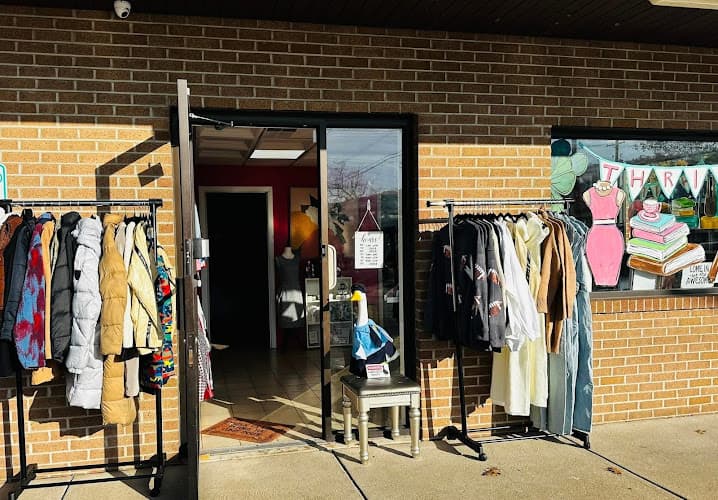
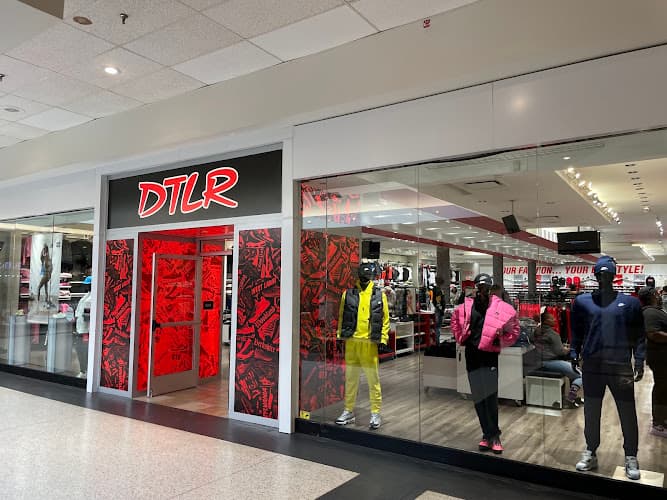
Top Shop Thrift Store operates as a secondhand retail establishment located at 139 North 10th Street in Reading, Pennsylvania. The store serves the Reading metropolitan area, providing local residents with access to pre-owned merchandise at reduced prices compared to traditional retail outlets. As a thrift store, the business functions within the broader resale and secondhand goods industry, which has experienced significant growth in recent decades as consumers increasingly seek affordable shopping alternatives and environmentally conscious purchasing options.
Location and Accessibility
The store occupies a commercial space on North 10th Street in Reading, situated within Berks County in southeastern Pennsylvania. Reading, with a population of approximately 95,000 residents, serves as the county seat of Berks County and represents one of the larger urban centers in the region. The North 10th Street location places the store within the city's established commercial corridors, accessible to residents throughout the greater Reading area.
The 19604 zip code encompasses portions of central and northern Reading, an area characterized by a mix of residential neighborhoods and commercial establishments. This positioning allows the store to serve customers from various parts of the city and surrounding communities. The urban setting provides convenient access for shoppers who may rely on public transportation or prefer walkable shopping destinations.
Business Model and Operations
Thrift stores like Top Shop Thrift Store typically operate on a business model centered around the acquisition and resale of donated or consigned goods. These establishments accept items from community members and resell them at prices substantially below original retail values. This model serves multiple purposes within local economies, providing affordable goods to budget-conscious consumers while simultaneously offering a channel for individuals to responsibly dispose of unwanted items rather than sending them to landfills.
The store has been identified as suitable for quick visits, suggesting that the shopping experience is designed for efficiency. This characteristic indicates that the store likely maintains organized merchandise displays and a layout that allows customers to browse and locate items without requiring extended time commitments. For shoppers with limited schedules or those seeking specific items, this operational approach can prove particularly valuable.
Current service options at Top Shop Thrift Store focus on in-store shopping experiences. The establishment does not offer delivery services or same-day delivery options, meaning customers must visit the physical location to browse and purchase merchandise. This traditional retail approach remains common among thrift stores, where the nature of constantly changing, one-of-a-kind inventory makes in-person shopping particularly suited to the business model.
The Thrift Store Industry Context
Thrift stores occupy a distinctive position within the retail landscape, serving functions that extend beyond simple commercial transactions. These establishments emerged historically as charitable enterprises, with many early thrift stores operated by religious organizations and nonprofit groups to fund community programs. Over time, the thrift store concept has evolved to include both nonprofit and for-profit operations, though all share the common characteristic of selling secondhand merchandise.
The resale industry has experienced substantial growth in recent years, driven by several converging factors. Economic considerations lead many consumers to seek affordable alternatives to full-price retail, particularly for clothing, household goods, and furniture. Environmental awareness has also contributed to increased interest in secondhand shopping, as purchasing pre-owned items extends product lifecycles and reduces demand for new manufacturing.
Additionally, the popularity of vintage and retro aesthetics has transformed thrift store shopping from a purely budget-driven activity into a form of treasure hunting for unique items. Shoppers frequently visit thrift stores seeking distinctive pieces that cannot be found in conventional retail environments, from vintage clothing and accessories to collectible housewares and furniture from previous decades.
Typical Merchandise Categories
While specific inventory at Top Shop Thrift Store varies based on community donations and purchasing decisions, thrift stores generally offer merchandise across several common categories:
- Clothing and accessories for men, women, and children, including everyday wear, formal attire, and seasonal items
- Footwear ranging from casual shoes to dress shoes and athletic footwear
- Household items including kitchenware, dishes, glassware, and small appliances
- Home decor such as picture frames, decorative objects, lamps, and artwork
- Furniture pieces including chairs, tables, shelving units, and storage solutions
- Books, magazines, and media including DVDs, CDs, and vinyl records
- Toys, games, and sporting goods
- Electronics and small appliances in working condition
- Linens, bedding, and textile goods
- Seasonal items and holiday decorations
The nature of thrift store inventory means that available merchandise changes continuously as new donations arrive and items sell. Regular shoppers often develop habits of frequent visits to catch newly stocked items before other customers discover them. This constantly rotating selection creates an element of discovery that distinguishes thrift shopping from conventional retail experiences.
Shopping at Thrift Stores
Successful thrift store shopping often requires different approaches than traditional retail shopping. Because inventory consists of individual items rather than mass-produced merchandise available in multiple sizes and quantities, shoppers benefit from flexibility regarding specific wants. Those who approach thrift shopping with openness to unexpected finds often report greater satisfaction than those seeking very specific items.
Quality assessment becomes particularly important when purchasing secondhand goods. Experienced thrift shoppers develop skills in examining items for wear, damage, or defects that might affect usability or longevity. Checking seams, zippers, and buttons on clothing, testing electronics when possible, and examining furniture for structural integrity represent common practices among regular thrift store customers.
Pricing at thrift stores typically reflects the secondhand nature of merchandise, with items often available at fractions of original retail prices. However, pricing structures vary among establishments, and some thrift stores have begun implementing more sophisticated pricing models that account for brand names, condition, and current market demand for specific items.
Community Role
Thrift stores serve important functions within their communities beyond simple retail transactions. These establishments provide affordable shopping options for individuals and families managing limited budgets, offering access to clothing, household necessities, and other goods that might otherwise be financially out of reach. For new residents establishing households, students furnishing apartments, or families experiencing financial transitions, thrift stores can prove invaluable resources.
The donation acceptance function of thrift stores also benefits communities by providing convenient options for responsibly disposing of unwanted items. Rather than discarding usable goods, community members can donate items to thrift stores where they receive second lives with new owners. This circular approach to consumer goods reduces waste while ensuring continued utility from manufactured products.
For the Reading community specifically, establishments like Top Shop Thrift Store contribute to the local retail ecosystem by providing shopping alternatives and keeping consumer spending within the community rather than directed toward online retailers or distant shopping centers.