TriCounty Community Network, commonly referred to locally as TCN, is a non-profit organization based in Pottstown, Pennsylvania. It operates as a community collaborative, meaning that much of its work involves bringing together other organizations rather than delivering a single narrow service. Human service agencies, school districts, health care providers, municipal officials, faith communities, businesses and volunteers all participate in the network, and TCN serves as the connective tissue among them. The organization's role is to identify community needs, convene the people and institutions capable of responding to those needs, and help coordinate the response so that efforts do not duplicate one another.
Organizations of this type occupy an unusual niche in the non-profit landscape. Rather than operating a food pantry, a clinic or a shelter, a community network builds the infrastructure that helps such programs function: shared information, coordinated planning, common data, and relationships among leaders who might otherwise work in isolation. For residents and professionals in the greater Pottstown area, TCN is often the entry point for understanding what services exist, who provides them, and how to reach them.
Service Area
The name reflects the organization's geography. Pottstown sits near the point where Montgomery, Chester and Berks counties meet, and the surrounding communities are served by different county governments, different school districts and different county-level agencies, even though residents share the same commercial corridors, hospitals and transit routes. That fragmentation is precisely the problem a tri-county network is built to address. TCN's work spans borough and township lines, covering Pottstown itself along with nearby municipalities in all three counties.
The region includes a mix of older industrial borough neighborhoods, newer suburban development and rural townships. Needs vary considerably across that landscape, from transportation access in outlying areas to housing, youth programming and workforce readiness in the borough. A regional organization can track those differences and bring the right partners to the table for each issue.
Coalitions, Committees and Convening Work
Much of TCN's activity happens through coalitions and working groups organized around specific topics. Community networks of this kind typically maintain standing groups focused on areas such as youth development, substance use prevention, behavioral health, family support, education and community health. These groups meet on a regular schedule, share updates from member agencies, review local data, plan joint initiatives and apply collectively for grant funding that no single member could pursue alone.
Prevention work is a common focus for networks in Pennsylvania, particularly around youth substance use, vaping, underage drinking and mental health awareness. This work often involves school-based education, parent outreach, public awareness campaigns, community surveys and coordination with law enforcement and treatment providers. Coalitions also frequently serve as the local mechanism for state and federal prevention funding, which requires documented community collaboration as a condition of support.
Practical benefits of participating in this kind of network include:
- Regular contact with staff and leadership from other area agencies
- Access to local data and needs assessment findings
- Advance notice of funding opportunities and collaborative grant applications
- Referral pathways so that clients can be connected to services outside one agency's scope
- A shared voice on regional issues when speaking with funders and public officials
- Training and professional development offered to member organizations
Information and Referral
One of the most frequently used functions of a community network is information sharing. Residents who are unsure where to turn, and professionals who need to refer a client, both benefit from a single point of contact that maintains current knowledge of area programs. TCN staff and member agencies maintain awareness of what is available across the three counties, including services that cross county boundaries or that are administered differently depending on where a family lives. This role becomes particularly important when eligibility rules, funding streams and provider networks differ from one county to the next.
Support for New and Growing Organizations
TCN is also known in the region for the assistance it provides to people who want to launch a non-profit or community initiative of their own. Starting an organization in Pennsylvania involves a series of steps that are not always obvious to a first-time founder: incorporating with the Commonwealth, establishing a board of directors, drafting bylaws, applying for federal tax exempt recognition, registering for charitable solicitation, setting up financial controls, and identifying realistic early funding sources. Guidance from people who have navigated that process locally can shorten the learning curve considerably.
Beyond paperwork, capacity building support may cover board recruitment and governance, program design, volunteer management, outcome measurement and grant writing. Equally valuable is the honest conversation about whether a new organization is needed at all, or whether an idea might be better carried out as a program within an existing agency. A network with visibility across dozens of local organizations is well positioned to have that discussion.
Location, Access and Contact
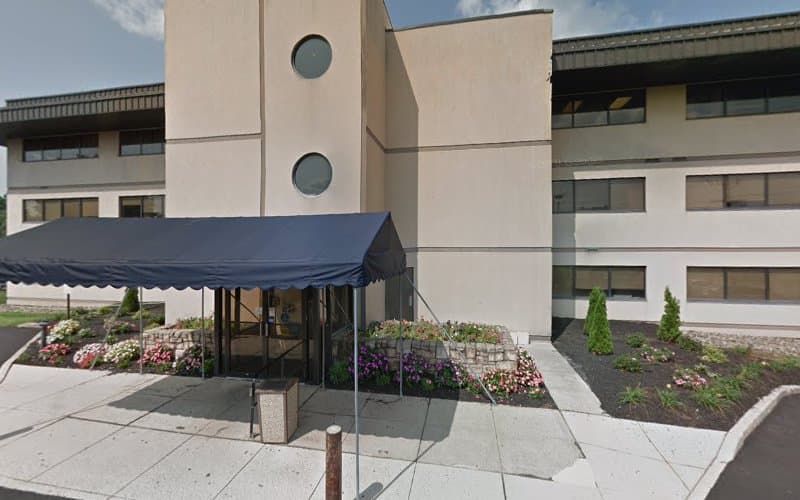
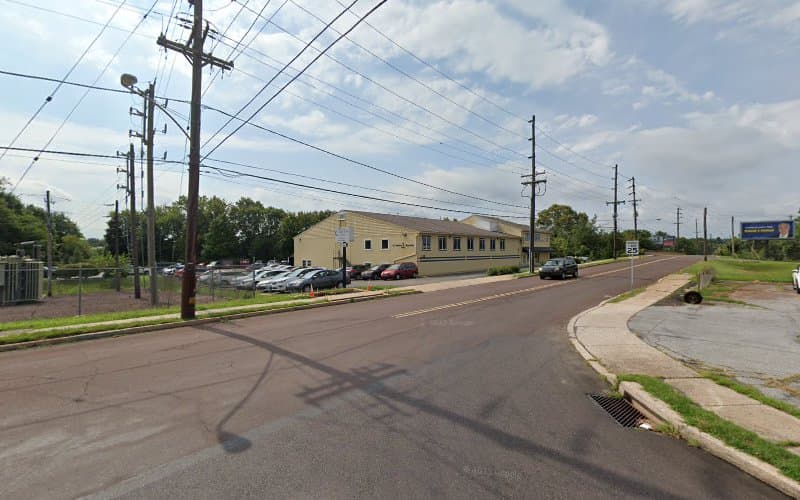
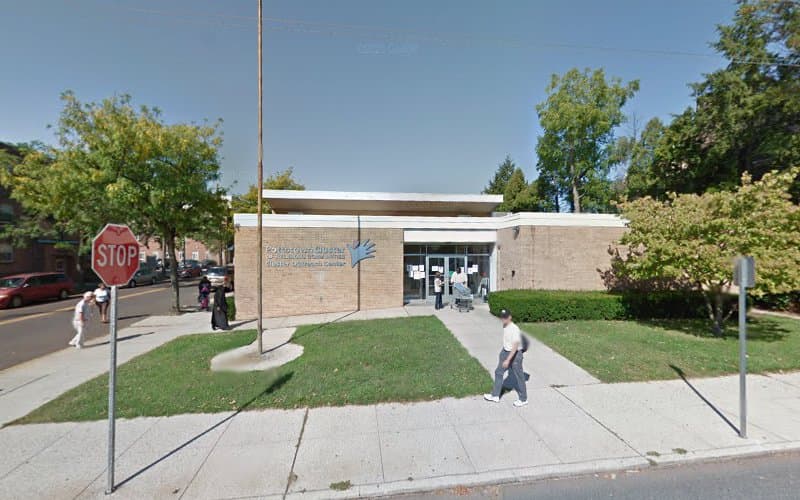
The office is located at 13 Armand Hammer Boulevard, Suite 102, in Pottstown, in a commercial corridor on the edge of the borough with convenient access to nearby highways and free on-site parking. The site has a wheelchair accessible entrance and wheelchair accessible parking, so meetings and community gatherings held at the office can accommodate visitors with mobility needs.
The organization can be reached by phone at +1 484-247-4688, and it maintains a website at tcnetwork.org with information about current coalitions, meeting schedules, programs, events and ways to get involved. Because meeting times and program offerings change as initiatives evolve and funding cycles shift, calling ahead or checking the website is the most reliable way to confirm details before visiting.
Getting Involved
Participation in a community network is generally open to a broad range of people. Agency staff, educators, health professionals, clergy, municipal representatives, business owners, parents, students and retirees all have roles to play in coalition work. Individuals interested in volunteering, attending a coalition meeting, seeking a referral, exploring collaborative funding or getting advice on forming a new organization can begin with a phone call or an inquiry through the website. For a region divided among three counties, that kind of single connecting point carries real practical value.