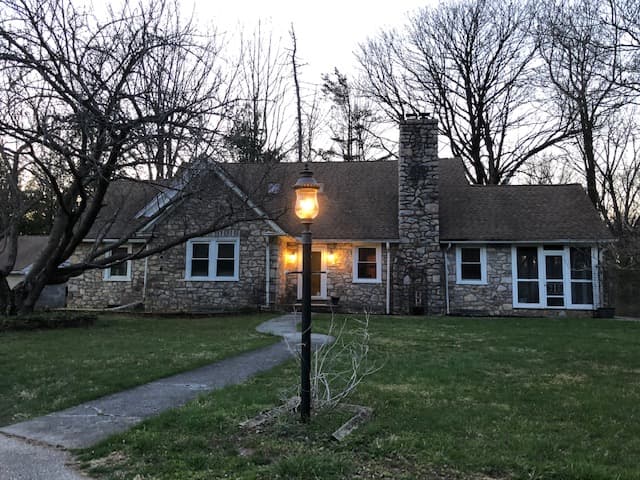
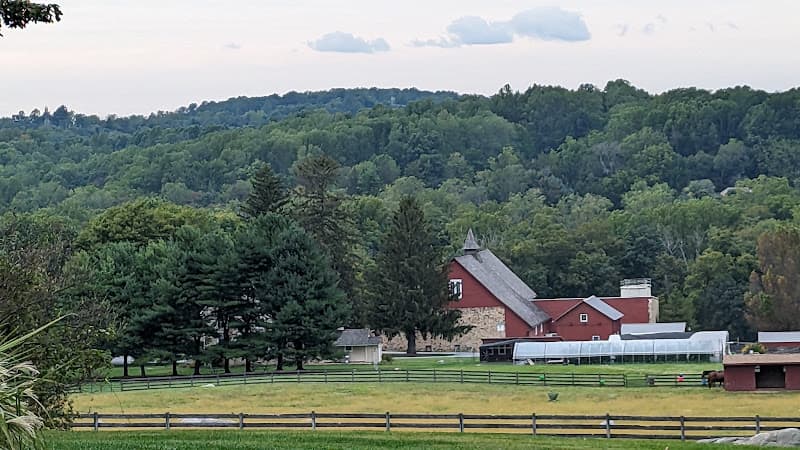
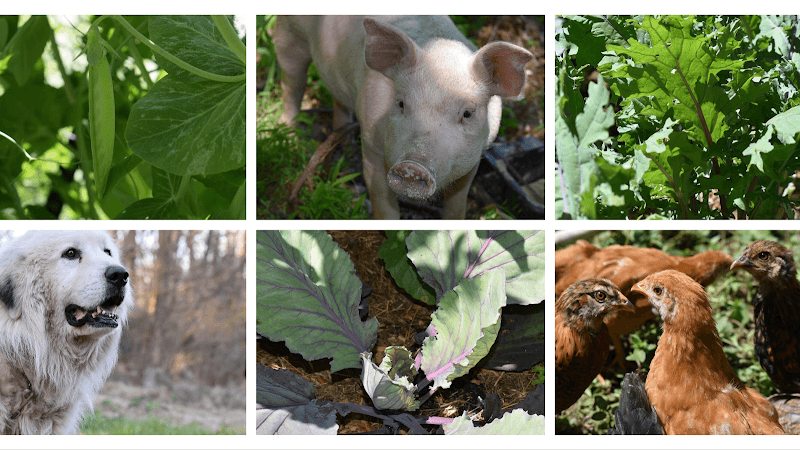
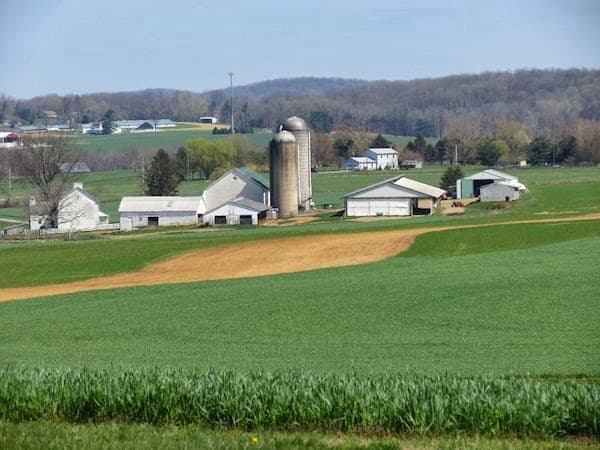
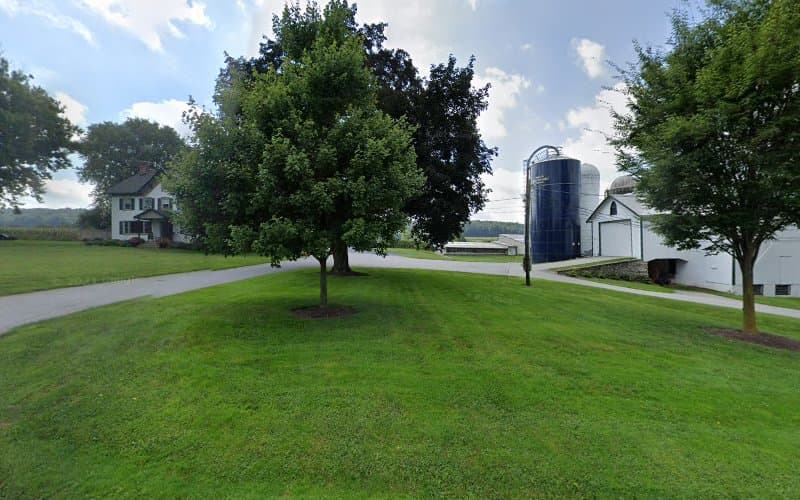
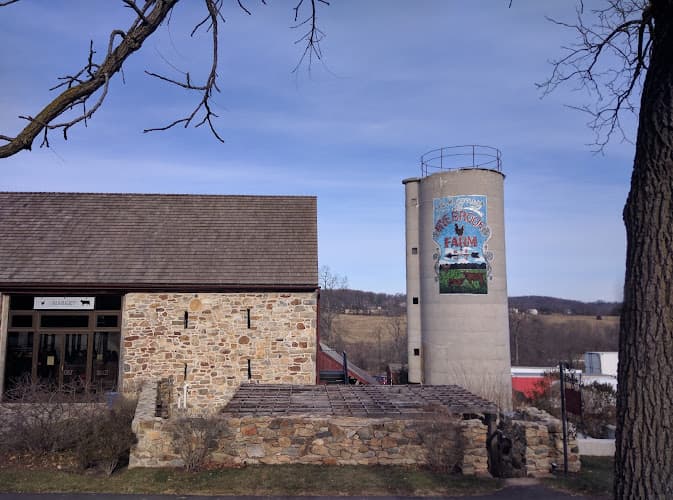
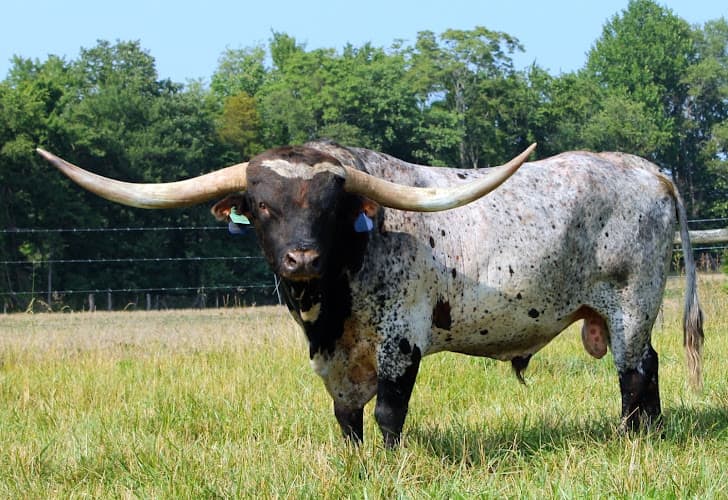
Watershed Farm is an agricultural operation located in Pennsylvania. The farm represents one of many agricultural enterprises across the Commonwealth, a state with a rich farming heritage that dates back to the colonial era. Pennsylvania's diverse geography and climate zones support a wide variety of agricultural activities, from dairy farming in the northern tier to produce cultivation in the southeastern counties.
Agricultural Context in Pennsylvania
Pennsylvania ranks among the top agricultural states in the northeastern United States, with approximately 52,000 farms operating across the Commonwealth. The state's agricultural sector contributes billions of dollars annually to the local economy and employs hundreds of thousands of workers in farming, processing, and related industries. Farms in Pennsylvania range from small family operations of just a few acres to large commercial enterprises spanning thousands of acres.
The name "Watershed Farm" suggests an awareness of environmental stewardship and water resource management, concepts that have become increasingly important in modern agricultural practice. Watershed management in farming contexts involves careful attention to how agricultural activities affect local water systems, including streams, rivers, and groundwater supplies. Farms that incorporate watershed principles into their operations typically implement practices designed to minimize runoff, protect water quality, and maintain healthy soil ecosystems.
Pennsylvania's Agricultural Heritage
Farming has been central to Pennsylvania's identity since William Penn established the colony in 1681. The fertile soils of the southeastern counties, particularly in Lancaster, Chester, and Berks counties, attracted early settlers who recognized the agricultural potential of the region. Over the centuries, Pennsylvania developed strong traditions in dairy farming, livestock production, grain cultivation, and specialty crops.
The Commonwealth's agricultural diversity reflects its varied terrain and microclimates. The southeastern piedmont region features rolling hills and rich limestone soils ideal for crop production. The Appalachian ridge and valley region supports mixed farming operations, while the northern plateau counties have historically focused on dairy production. This geographic diversity means that farms across Pennsylvania engage in widely different agricultural activities depending on their specific location.
Modern Pennsylvania farms increasingly balance traditional agricultural practices with contemporary approaches to sustainability, direct marketing, and community engagement. Many operations have diversified beyond conventional commodity production to include farm stands, pick-your-own operations, agritourism activities, and direct sales to restaurants and consumers.
Types of Farm Operations in Pennsylvania
Agricultural enterprises in the Commonwealth encompass numerous categories and specializations. Understanding these categories provides context for the range of activities that Pennsylvania farms may pursue:
- Crop production including corn, soybeans, wheat, oats, and hay
- Vegetable farming for both wholesale and retail markets
- Fruit orchards producing apples, peaches, cherries, and berries
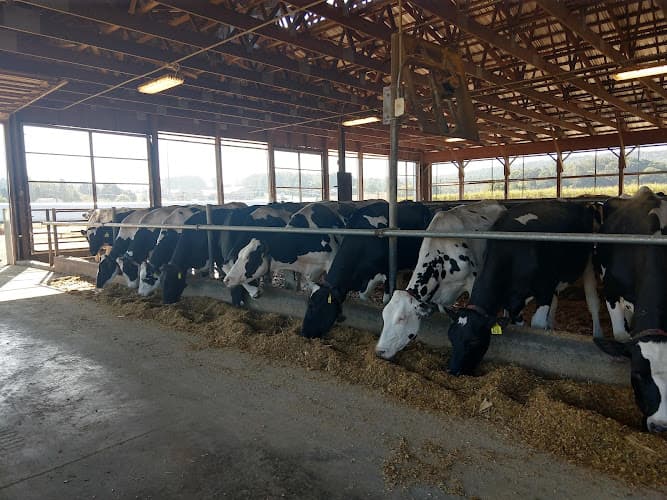
- Dairy operations ranging from small family farms to large commercial facilities
- Livestock production including beef cattle, hogs, sheep, and poultry
- Specialty operations such as mushroom cultivation, nursery stock, and greenhouse production
- Organic and sustainable farming operations
- Agritourism ventures including farm tours, educational programs, and seasonal events
Pennsylvania leads the nation in mushroom production, with Chester County serving as the center of this industry. The state also ranks highly in egg production, Christmas tree cultivation, and several other agricultural categories. This diversity creates a robust agricultural economy that supports rural communities throughout the Commonwealth.
The Role of Small and Medium Farms
While large commercial operations dominate certain sectors of Pennsylvania agriculture, small and medium-sized farms remain vital to the state's agricultural landscape. These operations often focus on direct marketing to consumers, specialty products, and niche markets that larger farms may not serve efficiently. Family farms continue to represent the majority of agricultural operations in Pennsylvania, though the definition of "family farm" encompasses a wide range of sizes and business structures.
Many Pennsylvania farms have operated under family ownership for multiple generations, with agricultural knowledge and land stewardship practices passed down through the years. This continuity contributes to the preservation of farmland and agricultural traditions even as the industry adapts to changing economic conditions and consumer preferences.
Environmental Considerations in Modern Farming
Contemporary agricultural operations increasingly incorporate environmental management practices into their daily activities. Pennsylvania farms operate within a regulatory framework designed to protect water quality, particularly given the state's position within the Chesapeake Bay watershed. Many farmers implement best management practices that go beyond regulatory requirements, recognizing that environmental stewardship supports long-term agricultural productivity.
Common environmental practices on Pennsylvania farms include cover cropping to prevent soil erosion, nutrient management planning to optimize fertilizer use, riparian buffer maintenance along streams and waterways, and integrated pest management to reduce chemical inputs. These practices benefit both the farm operation and the broader community by protecting natural resources and maintaining ecosystem health.
Community Connections
Farms serve as important community anchors in rural Pennsylvania, providing employment opportunities, supporting local businesses, and maintaining the agricultural character of the landscape. Many farms engage with their communities through farmers markets, community-supported agriculture programs, farm tours, and educational outreach to schools and civic organizations.
The relationship between farms and their surrounding communities has evolved significantly over recent decades. While earlier generations of farmers primarily sold their products through commodity markets and wholesale channels, many contemporary operations have developed direct relationships with consumers who value knowing where their food comes from and how it was produced.
Contact Information
Watershed Farm can be reached by telephone at +1 239-313-1066. Those interested in learning more about the farm's specific offerings, visiting hours, or available products should contact the farm directly for current information. Farm operations often vary seasonally, with different products and activities available at different times of year depending on growing conditions and harvest schedules.