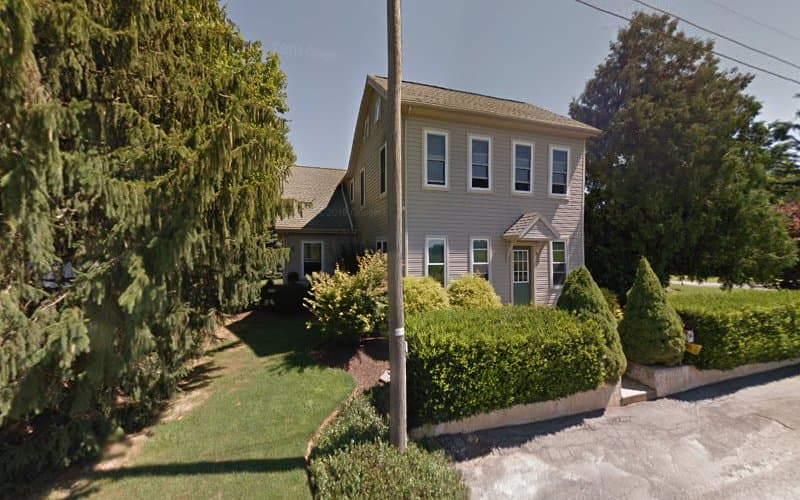
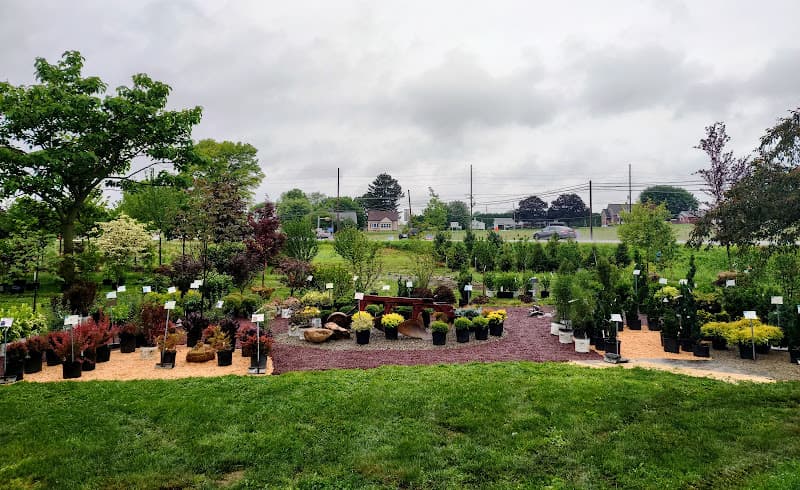
Winters Nursery is a landscaping business operating in Pennsylvania, providing services to residential and commercial clients throughout the region. The company functions as both a plant nursery and a landscaping service provider, offering customers access to plant materials alongside professional installation and design services. This dual-purpose operation allows the business to supply the raw materials for landscape projects while also executing the design and implementation phases of outdoor improvement work.
Services and Operations
As a landscaping company with nursery operations, Winters Nursery occupies a particular niche within the green industry. Businesses of this type typically maintain growing stock or purchase wholesale plant materials, which they then incorporate into landscape installations for clients. This vertical integration can provide certain advantages in terms of plant quality control and availability, as the company has direct access to inventory rather than relying solely on third-party suppliers for project materials.
Landscaping services generally encompass a broad range of outdoor work, from initial site assessment and design through to installation and ongoing maintenance. While specific service offerings vary by provider, landscaping companies in Pennsylvania commonly handle tasks including:
- Landscape design and planning for new installations
- Planting of trees, shrubs, perennials, and annual flowers
- Hardscape construction including patios, walkways, and retaining walls
- Lawn installation through seeding or sodding
- Grading and drainage solutions
- Mulching and bed preparation
- Seasonal maintenance and cleanup services
- Irrigation system installation and repair
The nursery component of the business suggests that customers may also have the option to purchase plants directly for do-it-yourself projects, though the extent of retail operations versus wholesale and project-based sales would depend on the specific business model employed.
Geographic Location and Service Area
Winters Nursery operates within Pennsylvania, with the provided contact information indicating a phone number with a 215 area code. This area code covers the Philadelphia metropolitan region, including Philadelphia County and portions of Bucks and Montgomery counties. The 215 area code is one of the original area codes established in 1947 and has remained associated with the greater Philadelphia area throughout its history.
Landscaping companies in southeastern Pennsylvania work within a climate classified as humid subtropical to humid continental, characterized by four distinct seasons. This climate presents specific considerations for landscape design and plant selection. Winters can bring freezing temperatures and snow, requiring plants rated for USDA Hardiness Zones 6b to 7a, depending on the specific microclimate of a given property. Summers tend to be warm and humid, which influences irrigation needs and plant stress management during peak growing season.
The Philadelphia region's landscape industry serves a diverse client base, from historic urban properties with limited space to suburban homes with expansive yards to rural estates and commercial developments. Each property type presents distinct challenges and opportunities for landscape professionals, requiring adaptability in design approach and technical execution.
The Pennsylvania Landscaping Industry
Pennsylvania's landscaping and nursery industry represents a significant sector of the state's agricultural economy. The Commonwealth has a long history of horticultural production, with nursery and greenhouse operations contributing substantially to the state's agricultural output. This heritage has created a robust network of growers, suppliers, and service providers throughout the region.
Landscaping businesses in Pennsylvania must navigate a regulatory environment that includes licensing requirements for pesticide application, contractor regulations for certain types of construction work, and environmental compliance for projects that may impact stormwater management or protected areas. Professional landscapers typically maintain appropriate certifications and insurance coverage to operate legally and protect both their business and their clients.
The seasonal nature of landscaping work in Pennsylvania creates a rhythm to the industry calendar. Spring brings a surge of activity as properties emerge from winter dormancy and clients seek to implement new projects or refresh existing landscapes. Summer focuses on maintenance, installation of warm-season projects, and hardscape construction when weather permits consistent work schedules. Fall represents another active planting season, as cooler temperatures and autumn rains create favorable conditions for establishing trees and shrubs before winter. Winter months typically see reduced outdoor activity, though planning, design consultations, and preparation for the coming season continue.
Considerations for Landscape Projects
Property owners considering landscape improvements benefit from understanding several factors that influence project planning and execution. Site conditions including soil type, drainage patterns, sun exposure, and existing vegetation all affect what can be successfully installed and maintained on a given property. A thorough site analysis forms the foundation of effective landscape design, helping to match plant selections and hardscape materials to the specific conditions present.
Budget considerations extend beyond initial installation costs to include long-term maintenance requirements. A landscape that appears economical at installation may prove expensive to maintain if it requires extensive irrigation, frequent pruning, or regular replacement of short-lived plants. Conversely, investing in quality materials and appropriate plant selections can reduce ongoing costs and improve the longevity of landscape improvements.
Timing affects both project scheduling and plant establishment success. While landscaping work can occur throughout much of the year in Pennsylvania, certain activities are best suited to specific seasons. Tree and shrub planting, for example, often succeeds best in spring or fall when moderate temperatures and adequate rainfall support root development. Hardscape construction may be scheduled during drier periods when soil conditions support equipment access and concrete or mortar curing.
Working with a Landscaping Professional
Engaging a landscaping company typically begins with an initial consultation to discuss project goals, assess site conditions, and establish preliminary budget parameters. This conversation helps both parties understand the scope of work and determine whether there is a good fit between client expectations and the contractor's capabilities and approach.
Professional landscapers generally provide written proposals or contracts that outline the scope of work, materials to be used, project timeline, and payment terms. These documents protect both the client and the contractor by establishing clear expectations before work begins. Clients should review proposals carefully, asking questions about any unclear elements and ensuring they understand what is and is not included in the quoted price.
Communication throughout the project helps ensure that work proceeds according to plan and that any necessary adjustments are addressed promptly. Weather delays, material availability issues, and unforeseen site conditions can affect project timelines, and maintaining open dialogue between client and contractor helps manage expectations and resolve challenges as they arise.
Contact Information
Winters Nursery can be reached by telephone at +1 215-360-2990. Prospective clients interested in discussing landscape projects can use these contact methods to initiate conversations about their specific needs and to schedule consultations or site visits as appropriate.
As with any service provider, potential customers may wish to verify current licensing status, insurance coverage, and references before committing to a project. These due diligence steps help ensure a positive working relationship and protect the interests of property owners investing in landscape improvements.