WM - Palmyra, PA Recycling Transfer Station
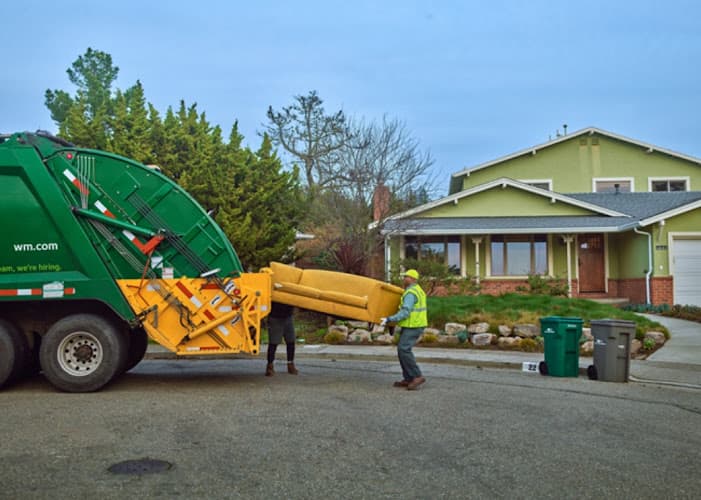
WM - Palmyra, PA Recycling Transfer Station provides residential waste management and recycling services in the Palmyra area. Some customers appreciate the courteous collection staff who work reliably in all weather conditions.
What people love about WM - Palmyra, PA Recycling Transfer Station
Individual Driver Named "Joe"
This specific driver is called out by name with genuine affection, suggesting he provided exceptional, personalized service that made a lasting positive impression on the customer.
Courteous Collection Staff in Challenging Conditions
Multiple customers specifically acknowledge the professionalism and friendliness of the actual collection workers despite difficult working conditions, distinguishing them from the company's overall service issues.
Proactive Bin Replacement
This represents a rare instance of the company exceeding expectations by proactively addressing equipment issues without requiring customer effort.
Satisfactory Contact Center Resolution (for some)
While rare among the reviews, some customers report positive experiences when they do successfully reach customer service, suggesting the potential for good service when contact is achieved.
Key Themes from Reviews of WM - Palmyra, PA Recycling Transfer Station
Pricing and Hidden Fees
NegativeCustomers are frustrated by unexplained price increases, hidden surcharges, and costs that have doubled or tripled over time without corresponding improvements in service.
Missed Pickups and Service Reliability
NegativeCustomers consistently report missed trash and recycling pickups, sometimes going weeks without service despite being charged, with recycling pickups being particularly unreliable.
Customer Service Accessibility
NegativeCustomers find it extremely difficult to reach a live representative, experiencing long hold times, unhelpful automated systems, and unanswered chat requests.
Cancellation Process
NegativeCustomers report significant difficulties canceling service, including ignored cancellation requests, continued billing after cancellation, and unexpected fees for cart removal.
Unfulfilled Promises and Follow-Through
NegativeCustomers report that customer service representatives make promises about pickups, credits, or callbacks that are consistently not honored.
Driver/Collection Staff Performance
MixedWhile some customers praise individual drivers for being courteous and reliable, others report rude behavior and inconsistent performance from collection staff.
Equipment Quality
NegativeCustomers complain about poor quality replacement bins with design flaws and bins being left improperly positioned after pickup.
About WM - Palmyra, PA Recycling Transfer Station
Overview
WM - Palmyra, PA Recycling Transfer Station is a waste management facility operated by WM, formerly known as Waste Management, Inc., one of the largest environmental services companies in North America. Located at 123 E High St in Palmyra, Pennsylvania, this facility serves as a transfer station for recycling and waste materials in Lebanon County and surrounding communities in south-central Pennsylvania.
Transfer stations like this Palmyra location function as intermediate processing points in the waste management chain. Rather than serving as final disposal sites, these facilities receive waste and recyclable materials from collection vehicles, consolidate loads, and transfer them to larger transport vehicles for delivery to landfills, recycling centers, or other processing facilities. This operational model allows for more efficient routing of collection trucks and reduces transportation costs across the broader waste management network.
Parent Company Background
WM, headquartered in Houston, Texas, operates as the largest residential trash and recycling collector in the United States. The company traces its origins to 1968 when Wayne Huizenga and Dean Buntrock founded Waste Management, Inc. in Chicago. Over the subsequent decades, the company grew through numerous acquisitions and expansions, eventually becoming a publicly traded corporation on the New York Stock Exchange.
In 2021, the company officially rebranded from Waste Management to simply WM, reflecting a broader strategic shift toward sustainability initiatives and recycling operations beyond traditional waste collection. The company operates an extensive network of landfills, transfer stations, recycling facilities, and collection operations across North America, employing tens of thousands of workers in various capacities from drivers and facility operators to administrative and technical personnel.
Services and Operations
The Palmyra facility operates within WM's broader service framework, which typically encompasses several categories of waste management services. Residential collection services form a core component of operations, with scheduled pickup of household trash and recyclable materials. Customers in the service area can generally expect regular collection schedules, with separate pickup days often designated for standard waste and recyclable materials.
WM facilities in Pennsylvania typically offer multiple service options to accommodate different customer needs. These may include standard container service, where customers receive company-provided bins for regular collection, as well as tag-a-bag programs that allow for more flexible disposal options. The availability of different container sizes enables customers to select service levels appropriate to their household waste generation patterns.
Recycling services represent an increasingly important component of WM's operations nationwide. The company processes millions of tons of recyclable materials annually, diverting them from landfills and returning them to the manufacturing supply chain. Common recyclable materials accepted through residential programs include paper products, cardboard, certain plastics, glass containers, and metal cans, though specific acceptance criteria can vary by location and processing capabilities.
Commercial and industrial waste services extend the company's reach beyond residential customers. Businesses, institutions, and industrial facilities in the Palmyra area may access dumpster services, roll-off container rentals for construction and demolition debris, and specialized waste handling for particular material streams. These commercial services operate on varied schedules depending on customer volume and contractual arrangements.
Geographic Service Area
Palmyra sits in Lebanon County, Pennsylvania, approximately 90 miles west of Philadelphia and roughly 25 miles east of Harrisburg, the state capital. The borough has a population of several thousand residents and forms part of the larger Lebanon metropolitan statistical area. The surrounding region includes a mix of small towns, agricultural land, and suburban development that has expanded outward from the Harrisburg-Lebanon corridor.
WM's operations in this region serve multiple municipalities and townships across Lebanon County and potentially portions of adjacent Dauphin and Lancaster counties. The specific service boundaries depend on contractual arrangements with local governments and the geographic reach of collection routes originating from or passing through the Palmyra facility.
The location along East High Street places the transfer station within the commercial corridor of Palmyra, providing accessibility for both collection vehicles operating routes throughout the area and for any customers who may need to interact directly with the facility for service-related matters.
Industry Context
The waste management industry in Pennsylvania operates under state and federal environmental regulations governing the handling, transport, and disposal of solid waste. The Pennsylvania Department of Environmental Protection oversees permitting and compliance for waste facilities, including transfer stations like the Palmyra location. These regulatory frameworks establish standards for facility operations, environmental protection measures, and record-keeping requirements.
Transfer stations occupy a specific niche in the waste management infrastructure. By consolidating loads from smaller collection vehicles into larger transfer trailers, these facilities reduce the number of vehicle trips to distant disposal sites, lowering fuel consumption and road wear while improving overall system efficiency. A single transfer trailer can carry the equivalent of several collection truck loads, making long-haul transport more economical.
The recycling component of modern waste management has evolved significantly over recent decades. Market conditions for recyclable commodities fluctuate based on global demand, processing capacity, and material quality standards. These market dynamics influence what materials can be economically recycled and how recycling programs operate at the local level. WM and other major waste companies have invested in sorting technologies and processing infrastructure to adapt to changing market conditions and contamination challenges in the recycling stream.
Contact and Customer Information
Customers seeking to establish service, modify existing accounts, or address service-related questions can reach WM through the company's national customer service line at 1-800-869-5566. This toll-free number connects to WM's centralized customer service operation, which handles inquiries for locations throughout the company's service territory.
WM also maintains online account management tools through its corporate website, allowing customers to handle many routine transactions electronically. These digital services typically include options for scheduling pickups, managing billing, requesting equipment changes, and accessing account history. The company has invested in expanding its digital customer service capabilities as part of broader industry trends toward online service delivery.
For customers in the Palmyra service area, understanding local collection schedules, holiday pickup adjustments, and specific recycling guidelines helps ensure smooth service delivery. Collection schedules may shift during holiday weeks, and seasonal factors such as winter weather can occasionally affect pickup timing. WM typically communicates schedule changes through various channels including bill inserts, website updates, and automated notifications for customers enrolled in alert programs.
Environmental and Community Role
Waste management facilities serve essential public health and environmental functions in their communities. Proper collection and disposal of solid waste prevents accumulation of materials that could attract pests, create odors, or contaminate soil and water resources. The recycling component of modern waste management helps conserve natural resources and reduce the environmental footprint associated with manufacturing new products from virgin materials.
Transfer stations like the Palmyra facility represent one node in a complex network of infrastructure that handles the substantial volume of waste generated by modern communities. The average American generates several pounds of waste daily, and the systems that collect, process, and dispose of this material operate largely in the background of daily life, becoming noticeable primarily when service disruptions occur.
WM has articulated corporate sustainability goals including increased recycling rates, landfill gas capture for energy generation, and fleet modernization to reduce emissions. How these broader corporate initiatives manifest at individual facilities like Palmyra depends on local conditions, infrastructure investments, and regulatory requirements specific to Pennsylvania operations.
Contact Information for WM - Palmyra, PA Recycling Transfer Station
Customer Reviews
2.6 out of 5 stars
Based on 243 reviews
Review data
5 star reviews
- 31%
4 star reviews
- 9%
3 star reviews
- 2%
2 star reviews
- 7%
1 star reviews
- 51%
Working Hours / Hours of Operation
- Monday:
- 8AM-5PM
- Tuesday:
- 8AM-5PM
- Wednesday:
- 8AM-5PM
- Thursday:
- 8AM-5PM
- Friday:
- 8AM-5PM
- Saturday:
- Closed
- Sunday:
- Closed
Location Map
BerksConnect: everything local in Berks County, PA.
8,700+ local businesses with AI-summarized reviews, plus local guides, jobs, and what's happening around the county.