Moving to Berks County: Complete Relocation Guide for New Residents
Everything you need to know about moving to Berks County, PA. Neighborhoods, school districts, cost of living, healthcare, employment, transportation, utilities, and local services to help you settle into your new home.
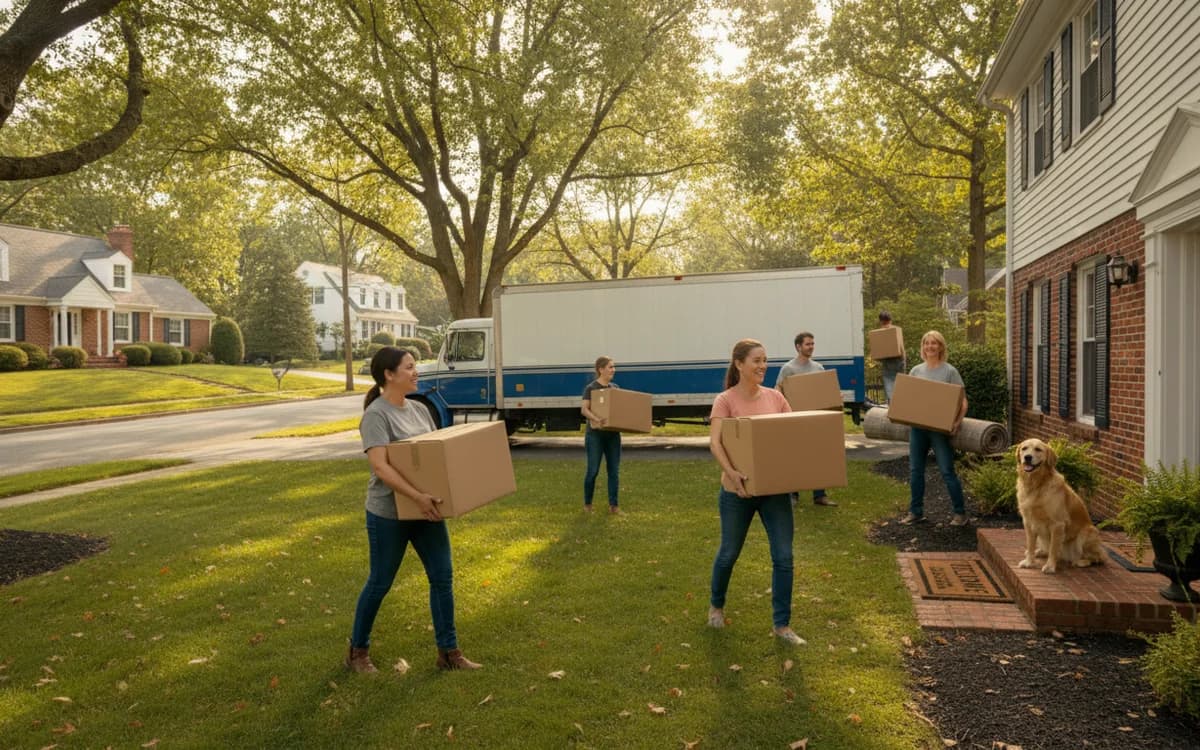
So you're thinking about moving to Berks County. Maybe you're priced out of the Philadelphia suburbs. Maybe you're tired of the congestion and want somewhere with actual breathing room. Maybe your job is bringing you here and you're wondering what you've gotten yourself into.
Here's the honest truth: Berks County isn't for everyone. But for the right person—someone who values affordability over prestige, community over anonymity, and space over density—it can be a genuinely great place to build a life.
This guide will tell you what it's actually like to live here, not just the chamber of commerce version. The good, the complicated, and the things you should know before you sign a lease or put an offer on a house.
The Real Reasons People Move Here
Let's start with why people actually end up in Berks County, because understanding the trade-offs helps you know if this is the right move.
The Affordability Advantage (It's Real)
This is the big one. If you're coming from the Philadelphia metro area—especially Montgomery, Chester, or Bucks counties—you're going to feel like you've discovered a cheat code.
That $450,000 townhouse in Lansdale? Here, that buys you a four-bedroom house on half an acre. The $2,200/month two-bedroom apartment in King of Prussia? You'll pay $1,400 for something comparable in Wyomissing—and $1,100 if you're willing to live in Reading proper.
The actual numbers:
- Median home price in Berks County: $250,000-280,000
- Same house in Montgomery County: $400,000-500,000
- Same house in Chester County: $450,000-550,000
Property taxes vary wildly depending on municipality and school district (more on that later), but generally you're paying less than the eastern suburbs.
The catch: You're not in the Philadelphia suburbs anymore. The networking, the career opportunities, the cultural scene—it's different here. If your career depends on being embedded in the Philly ecosystem, think carefully about the trade-off.
Location: Close Enough, Far Enough
Berks County sits in a geographic sweet spot—close enough to major metros that you're not isolated, far enough that you escape the sprawl.
What "close enough" actually means:
- Philadelphia: 60 miles, about 75-90 minutes in normal traffic. Doable for occasional meetings or events. Brutal as a daily commute. Some people do it, but they hate it.
- Allentown/Lehigh Valley: 50 miles, about 45-60 minutes. Much more reasonable if you're working in that direction.
- Lancaster: 40 miles, about 35-45 minutes. An easy drive.
- Airports: Philadelphia International is about an hour. Lehigh Valley International is 45 minutes. You're not stranded.
The commuting reality: If you work in Philadelphia and think you'll commute from Berks County, I'd encourage you to do a test drive during rush hour before you commit. Route 422 and the Turnpike can be miserable. Some people make it work—especially with hybrid schedules or flexible hours—but go in with eyes open.
What Makes Living Here Different
The pace is slower. Things don't move as fast here as they do in the suburbs. That's a feature or a bug depending on your personality. If you're wired for constant stimulation and rapid change, you might find it frustrating. If you're burned out on the suburban rat race, you'll find it peaceful.
Community is more accessible. In the Philly suburbs, your neighbors are strangers who happen to live near you. Here, especially outside the larger suburban areas, people actually know each other. Your kids' teachers shop at the same grocery store. The guy who fixes your furnace probably went to high school with someone you work with.
You get more space. Not just in your house—in your life. Less traffic. Shorter lines. Easier parking. More elbow room everywhere.
The cultural scene is different. There's no pretending Berks County has Philadelphia's arts scene. But there's more here than outsiders realize—live music venues, the GoggleWorks arts center, local theater, good restaurants. You'll just need to be more intentional about seeking it out.
Understanding Where You're Moving: A Real Geographic Tour
Berks County is bigger than most people realize—866 square miles with about 420,000 people. It's not one place with one character; it's a patchwork of very different communities. Where you land matters enormously for your quality of life.
Reading: The City People Underestimate
Let's address Reading directly, because you've probably heard things.
Yes, Reading has struggled economically. Yes, it's made unflattering "poorest city" lists. Yes, there are neighborhoods with real challenges. But here's what those headlines miss: Reading is also a city in active transformation, with a growing food scene, genuine cultural assets, and neighborhoods that offer urban living at a fraction of what you'd pay anywhere else.
What Reading offers:
- The Pagoda: An actual pagoda on Mount Penn, with stunning views of the city. It's weird and wonderful and completely unique.
- Minor league sports: The Fightin Phils (baseball) and Reading Royals (hockey) provide affordable, fun entertainment.
- An emerging restaurant and brewery scene: Seriously good food is opening in downtown Reading and the surrounding area.
- GoggleWorks: A former factory converted into an arts center with studios, galleries, and classes. It's legitimate.
- Historic architecture: Beautiful buildings from Reading's industrial heyday.
- Affordability: You can buy a house in Reading for what a car costs elsewhere.
The honest assessment: Living in Reading requires being comfortable with urban challenges—some neighborhoods are rough, city services are stretched, and there's visible poverty. But for people who want urban living without suburban conformity, and who are okay with a city that's figuring itself out, Reading has genuine appeal. Many young professionals and artists are choosing it intentionally.
The Suburbs: Where Most Newcomers Land
If you're moving from suburban Philadelphia, you'll probably land in Berks County's suburban belt around Reading. Here's the real story on each area:
Wyomissing: The Prestige Address
This is where people land when they want "the best" and can afford it. Excellent school district, corporate headquarters (VF Corporation), upscale shopping, maintained properties everywhere. It feels like the nicest parts of the Main Line, but less pretentious and more affordable.
The downside: It's a bit sterile. There's no there there—it's affluent suburbia without much character. If you want a safe, predictable, high-quality suburban life, Wyomissing delivers. If you want personality, look elsewhere.
West Reading: The Walkable One
West Reading is genuinely different. Penn Avenue has evolved into a walkable downtown with restaurants, shops, and a neighborhood feel. It's where young professionals and empty nesters who want to walk places end up.
It's directly adjacent to Reading Hospital, which makes it popular with healthcare workers. The homes are older, with character. It feels more like a small town than a suburb.
Sinking Spring / West Lawn: The Family Sweet Spot
Wilson School District is the draw here—consistently one of the best in the county. Solid suburban housing, reasonable prices (compared to Wyomissing), good community feel. This is where families who prioritize schools often land.
Shillington / Mohnton: Charming but Smaller
These are small boroughs with real downtowns and community character. Governor Mifflin School District is solid. The trade-off: fewer amenities within walking distance, more of a drive to major retail.
Exeter Township: Suburban Sprawl Done Well
Exeter is large, spread out, and suburban—strip malls, housing developments, and chain restaurants. If you're coming from generic suburbia elsewhere, this will feel familiar. The school district is good. It's not exciting, but it's predictable.
Northern Berks: Small Towns and Open Space
Kutztown: The Hidden Gem
If you want small-town life with cultural amenities, Kutztown is worth serious consideration. It's a college town (Kutztown University), which gives it coffee shops, restaurants, and cultural events that most small towns lack. Strong Pennsylvania Dutch heritage. The folk festival is famous. Real community feel.
The trade-off: It's 20 minutes from Reading, and 30+ minutes from major retail and services. You're choosing a slower pace.
Hamburg: The Northern Hub
Hamburg is the commercial center of northern Berks County—anchored by a Cabela's flagship store and various retail. It's a functional small town without much charm, but if you work in the Lehigh Valley and want to live in Berks County, it's geographically convenient.
Fleetwood: Genuine Small Town
If you want a place where everybody knows everybody, kids walk to school, and Friday nights revolve around high school football, Fleetwood is it. The school district is good. The cost of living is low. The trade-off: minimal retail, limited dining, and a 20+ minute drive to anything substantial.
Rural Berks: Farms, Forests, and Privacy
Much of Berks County remains genuinely rural—working farms, forests, small villages, and long driveways. If you want acreage, privacy, and a rural lifestyle, you can find it in:
- Eastern Berks (toward Boyertown and the Montgomery County line)
- Northern Berks (toward the Lehigh County line)
- Southern Berks (toward Lancaster County)
- Western Berks (toward Lebanon County)
The rural trade-offs: You're further from services. Emergency response times are longer. Internet can be spotty. You might have well water and septic systems to maintain. But if you want land and quiet, it's available at prices that would be unthinkable closer to Philadelphia.
Making the Decision: Where Should You Actually Live?
Everyone's situation is different. Here's honest guidance based on what actually matters to you.
If Schools Are Your Priority
Let's be direct: school district quality varies dramatically in Berks County, and it will significantly impact your child's education and your property value.
The top tier:
Wilson School District (West Lawn, Sinking Spring, parts of Wyomissing Hills) is consistently the highest-rated public district in the county. If school rankings are your primary driver, this is where you look first. Housing is more expensive than surrounding areas, but still far cheaper than comparable districts in Chester or Montgomery counties.
Wyomissing Area School District is small, well-funded, and excellent—but Wyomissing Borough has the county's highest housing prices.
Exeter Township School District is large and solid—a good suburban district without Wyomissing prices.
The critical detail: School district boundaries don't follow municipal boundaries. A house in "Sinking Spring" might be in Wilson, Governor Mifflin, or Conrad Weiser districts depending on exactly where it sits. Always verify the actual school district before buying—never assume.
Private school options: Berks Catholic, Holy Name, and several Christian schools offer alternatives. If you're going private anyway, school district matters less for education and more for property values.
If You're Commuting
To Philadelphia (60-90 minute commute):
Be honest with yourself about whether you can handle this. It's doable—people do it—but it's not pleasant. Route 422 east to the Turnpike is your route, and it gets congested.
If you're committed to this commute, live in eastern Berks County (Exeter area, Birdsboro) to shave some miles. Some people drive to Phoenixville and take the train from there—longer overall but less driving.
Hybrid work has changed the equation. If you're commuting 2-3 days per week instead of 5, the calculus is completely different. A lot of people are making Berks County work now who couldn't have pre-pandemic.
To Allentown/Lehigh Valley (45-60 minute commute):
This is much more reasonable. Route 222 north or I-78 from northern Berks County are your routes. Hamburg, Kutztown, and Fleetwood put you closest to the Lehigh Valley while keeping you in Berks County.
To Lancaster (30-45 minute commute):
Easy. Route 222 south. Live anywhere in southern or central Berks County and you're fine.
To Reading (where most local jobs are):
If you work at Reading Hospital, Penn State Health St. Joseph, or one of the major employers in the Wyomissing/Reading area, you can live almost anywhere in the county and have a reasonable commute. 20-30 minutes from the rural areas; 5-15 minutes from the suburbs.
If You're Retiring Here
Healthcare access matters. Both major hospital systems (Tower Health/Reading Hospital and Penn State Health St. Joseph) are concentrated in the Reading/Wyomissing area. If you have ongoing medical needs, proximity matters.
West Reading and Wyomissing offer walkability, medical offices, and daily necessities within reach without driving. This matters more as you age.
The small towns (Kutztown, Fleetwood) offer community and lower costs, but you're driving for most everything.
Age-restricted communities exist throughout the county if that lifestyle appeals to you.
If You're Young and Single (Or Just Want Energy)
Downtown Reading has the most urban energy—lofts, breweries, the arts scene. It's also the most affordable urban living you'll find anywhere in the eastern PA region. The trade-offs are real (city challenges), but so are the opportunities.
West Reading offers walkable dining and nightlife with less edge than Reading proper.
Wyomissing is convenient and has dining/entertainment, but it's suburban—not a place to walk to bars or meet people randomly.
The Housing Market: What You'll Actually Find
Single-family homes are the bread and butter of Berks County real estate. The range is enormous:
- Reading city: $80,000-200,000 for rowhouses and detached homes
- Suburban areas: $250,000-400,000 for typical family homes
- Wyomissing/premium suburbs: $350,000-600,000+
- Rural properties with land: $300,000-800,000+ depending on acreage
Townhouses and condos are concentrated in newer developments and the Wyomissing area. Figure $200,000-350,000.
Rentals are available but the market is tighter than you'd expect. Expect:
- 1-bedroom apartment: $1,000-1,400/month
- 2-bedroom apartment: $1,200-1,800/month
- 3-bedroom house: $1,500-2,200/month
Finding a Good Real Estate Agent
If you're relocating from out of the area, a good local agent is worth their weight in gold. They know which streets flood, which neighborhoods are trending up or down, and what the real school district boundaries are.
Susan McFadden, Keller Williams Platinum Realty
60 Commerce Dr, Wyomissing — (484) 364-1106
⭐ 5.0 (104 reviews)
Known for going beyond the transaction—she helps with tax assistance, moving resources, and understanding the area. Especially good for relocators who need guidance.
The Dave Mattes Team
1290 Broadcasting Rd, Wyomissing — (610) 334-0294
⭐ 5.0 (94 reviews)
Fast, responsive communication—important when you're house hunting from out of state. Team approach means someone's always available.
Rose Beck, RE/MAX Of Reading
1290 Broadcasting Rd, Wyomissing — (570) 778-0917
⭐ 5.0 (91 reviews)
Meticulous attention to detail. Good for people who want every question answered thoroughly.
Josh Forry, RE/MAX of Reading
1290 Broadcasting Rd, Wyomissing — (610) 790-4365
⭐ 5.0 (71 reviews)
Deep market knowledge and guidance that continues after closing—helpful when you're new to the area.
The Loretta Leibert Group
2213 Quarry Dr, West Lawn — (215) 514-4872
⭐ 5.0 (40 reviews)
Strong negotiation skills and responsive communication.
Browse all real estate agents in Berks County on BerksConnect.
The Property Tax Warning
Property taxes in Pennsylvania are confusing and can vary dramatically between adjacent properties. You might find two similar houses on the same street with wildly different tax bills because they're in different school districts.
The components:
- County tax (relatively small)
- Municipal tax (varies by borough/township)
- School tax (usually the biggest chunk—and varies enormously)
When house hunting: Always ask for the actual tax bill, not estimates. A beautiful house in the wrong school district can have a $10,000 annual tax bill that destroys your budget.
Schools: The Most Important Decision for Families
If you have kids, or plan to, the school district question will drive your housing decision more than anything else. Here's the honest assessment.
The Public School Landscape
Berks County has 18 public school districts, and they're not all equal. State test scores, funding levels, extracurricular offerings, and college placement rates vary significantly.
The top-performing districts (based on state rankings and reputation):
Wilson School District — The go-to for families prioritizing academics. Consistently ranks among the best in the county and region. Strong AP programs, good athletics, and high college placement rates. The trade-off: housing in Wilson is more expensive, and the district is in demand.
Wyomissing Area School District — Small, well-funded, excellent outcomes. But Wyomissing Borough has limited housing inventory and the highest prices in the county.
Exeter Township School District — Large suburban district with solid performance. More housing options and better value than Wilson or Wyomissing.
Governor Mifflin School District — Good balance of academics, athletics, and affordability. Shillington and surrounding areas offer more house for your money.
Daniel Boone Area School District — Covers eastern Berks (Birdsboro, Amity, parts of Exeter). Solid district, more affordable housing.
The rural and small-town districts (Fleetwood, Kutztown, Hamburg, Twin Valley, Oley Valley, etc.) vary in quality and offerings. Some are excellent; some struggle with funding. Research specific districts carefully—don't assume rural means worse or suburban means better.
Reading School District: Let's be direct—Reading faces the challenges of an urban district with a high-poverty student population. Test scores are lower, graduation rates are lower, and the district has struggled with funding and staffing. That said, there are dedicated teachers and successful students. If you're considering Reading proper, visit schools and talk to parents before deciding.
The Critical Research Steps
-
Verify the actual district. A house "in Sinking Spring" might be in Wilson, Governor Mifflin, or Conrad Weiser districts. The district follows the property, not the address.
-
Look at multiple metrics. Don't just check state test scores. Look at graduation rates, college acceptance rates, course offerings, special education services, and extracurricular programs.
-
Visit schools. Call the district, schedule a tour, talk to administrators. Get a feel for the culture.
-
Talk to parents. Online reviews are helpful but incomplete. Find parents whose kids actually attend the schools.
Private School Options
If public schools don't meet your needs, options exist:
Catholic schools: Berks Catholic High School and Holy Name High School serve high schoolers. Elementary schools are scattered throughout the county.
Christian schools: Berks Christian School and various church-affiliated schools.
The private school calculation: Private school tuition runs $8,000-15,000+ per year. If you're paying private school tuition anyway, school district quality matters less—so you can buy in a cheaper district and pocket the savings on housing.
Higher Education in the Area
If you or your kids are college-age, local options include:
- Kutztown University — State school, affordable, good education programs
- Albright College — Private liberal arts college in Reading
- Penn State Berks — Penn State branch campus
- Reading Area Community College (RACC) — Two-year college, transfer programs, workforce training
Jobs and Economy: Can You Make a Living Here?
The job market question is crucial. If you're moving for a job, you're set. If you're hoping to find work after you arrive, or if your spouse needs employment, understand the landscape.
The Employment Reality
Healthcare dominates. Tower Health (Reading Hospital) and Penn State Health St. Joseph are two of the largest employers in the region. If you're in healthcare—nursing, allied health, administration—you'll find opportunities. The systems are always hiring.
Corporate headquarters exist. VF Corporation (parent company of North Face, Vans, Timberland) is headquartered in Wyomissing. East Penn Manufacturing (batteries) is a major employer. There are pockets of corporate and professional jobs.
Manufacturing persists. Unlike some regions where manufacturing has collapsed, Berks County still has a manufacturing base—food processing, industrial production, logistics. These are real jobs, though often not what white-collar relocators are seeking.
Retail and service jobs are abundant. The Route 422 corridor is lined with retail. Service industry jobs exist. These aren't careers for most people, but they're employment.
The Honest Assessment
If you're in healthcare, education, or manufacturing, Berks County's job market will serve you well. If you're in finance, tech, professional services, or creative industries, the local market is limited. You may need to:
- Commute to Philadelphia or Lehigh Valley
- Work remotely (increasingly viable)
- Start your own business
- Accept that career advancement may require eventually leaving
For two-career couples: One person with a local job is manageable. Two people needing specific professional roles in Berks County is harder. Consider this before committing to the move.
Job Resources
Berks County CareerLink
1920 Kutztown Road, Suite F, Reading — (610) 988-1300
Free job search help, resume assistance, training programs, and connections to employers. Especially useful if you're new to the area and need local networking.
Greater Reading Chamber Alliance
(610) 376-6766 | greaterreading.org
Business networking events, job fairs, connections to local employers. Worth joining if you need to build a professional network from scratch.
Find professional services and career resources on BerksConnect.
Cost of Living: The Real Numbers
Let's talk actual money—what it costs to live here compared to where you're coming from.
The Housing Advantage
If you're coming from the Philadelphia suburbs, you're going to save significant money on housing. The numbers speak for themselves:
Buying:
- Berks County median: $250,000-280,000
- Montgomery County median: $400,000-450,000
- Chester County median: $450,000-500,000
That's $150,000-200,000 difference on a typical house. Put that toward a larger home, a better neighborhood, or just keep the equity.
Within Berks County, the range is wide:
- Reading city: $80,000-200,000
- Suburban areas: $250,000-400,000
- Wyomissing/premium areas: $350,000-600,000+
- Rural with acreage: $300,000-800,000+
Renting:
- 1-bedroom: $1,000-1,400/month
- 2-bedroom: $1,200-1,800/month
- 3-bedroom house: $1,500-2,200/month
Rental inventory is tighter than purchase inventory. If you're renting while searching for a house, start looking early.
Property Taxes: The Hidden Variable
Pennsylvania property taxes are complicated and highly variable. The same house could have a $4,000 annual tax bill in one school district and a $7,000 bill in another.
What determines your tax bill:
- County tax (relatively small and consistent)
- Municipal tax (varies by borough/township)
- School tax (often the largest portion, varies enormously)
The practical implication: When comparing houses, always look at the actual tax bill—not estimates or averages. A cheaper purchase price can be completely offset by higher annual taxes.
Utilities and Monthly Expenses
Typical monthly utility costs:
- Electricity (Met-Ed): $100-200 (higher in summer with AC)
- Natural gas (UGI): $50-150 (higher in winter)
- Water/sewer: $50-100 (varies by municipality)
- Trash: $20-40/month (some municipalities include in taxes)
- Internet: $60-100
Overall: Utility costs are comparable to the rest of PA. Nothing surprising here.
Healthcare: You're Actually Well Covered
One thing Berks County does well is healthcare. Two major hospital systems compete for patients, which means good options and reasonable access.
The Hospital Systems
Tower Health (Reading Hospital)
420 South 5th Avenue, West Reading — (484) 628-8000
This is the flagship. Level I Trauma Center (the highest designation—they handle the worst emergencies). Comprehensive Stroke Center. Extensive specialty services. If you have a serious medical situation, this is where you end up.
Tower Health has a network of practices, urgent care centers, and outpatient facilities throughout the county. Many specialists are affiliated.
Penn State Health St. Joseph Medical Center
2500 Bernville Road, Reading — (610) 378-2000
Part of the Penn State Health system, which brings academic medicine resources and research opportunities. Full-service hospital with good specialty care. Some people prefer the smaller, less overwhelming feel compared to Reading Hospital.
Establishing Care After You Move
Don't wait until you're sick to find doctors. In the first month after moving:
Find a primary care physician. Both hospital systems have affiliated practices taking new patients. You can also find independent practices. Having an established relationship matters when you actually need care.
Find a dentist. Dental practices are abundant. Ask neighbors or coworkers for recommendations.
Find a pediatrician (if applicable). Kids get sick frequently. Having a relationship with a pediatric practice is essential.
Transfer your records. Have your previous doctors send records to your new providers. This matters for ongoing conditions and medication management.
Urgent Care vs. Emergency Room
For non-emergency situations (minor injuries, flu, infections), urgent care is faster and cheaper than the ER. Both hospital systems operate urgent care facilities throughout the county.
Find urgent care facilities, doctors, and dentists on BerksConnect.
For complete healthcare guidance, see our Healthcare Providers Guide.
Getting Around: You'll Need a Car
Let's be clear: Berks County is car-dependent. Public transit exists but doesn't provide the coverage or frequency needed for most lifestyles. If you're coming from a city where you relied on public transit, adjust your expectations.
Driving Reality
The main arteries:
- Route 422 is the primary east-west corridor. It connects Reading to Philadelphia and experiences rush hour congestion, especially heading east in the morning and west in the evening.
- Route 222 runs north-south, connecting Reading to Lancaster and Allentown.
- Route 61 provides north-south access through the center of the county.
Traffic by Berks County standards: Rush hour exists, but it's nothing like Philadelphia or the New Jersey suburbs. "Bad traffic" here means a 20-minute delay, not sitting on the Schuylkill for an hour.
Commuting times within the county: From the furthest corners of Berks County to Reading takes 25-35 minutes. Most suburban commutes are 15 minutes or less.
Public Transit (Limited But Exists)
BARTA (Berks Area Regional Transportation Authority)
Transportation Center: 7th and Cherry Streets, Downtown Reading
(610) 921-0601 | bartabus.com
BARTA runs buses throughout Reading and into some suburban areas. It's functional for getting around the city if you live and work on the routes. It's not realistic for suburban residents or anyone needing flexibility.
Hours: Monday-Saturday 4 AM - midnight; Sunday 9:30 AM - 7:30 PM
Rideshare and Other Options
- Uber and Lyft operate here, though coverage is better in Reading and Wyomissing than rural areas. Wait times are longer than in Philadelphia.
- Taxi services exist for those who prefer them.
- Philadelphia International Airport is about an hour's drive—plan for that when booking flights.
Setting Up Utilities: The Practical Stuff
Utilities in Berks County are straightforward, but you need to know who to call.
Electricity: Met-Ed (FirstEnergy)
- Phone: 1-800-545-7741
- Website: firstenergycorp.com
- Timeline: Schedule 3-5 business days before move-in
- Outage reporting: 1-888-544-4877
Met-Ed serves virtually all of Berks County. Online setup is easy.
Natural Gas: UGI Utilities
- Phone: 1-800-276-2722
- Emergency (leaks): 1-800-276-2722 (24/7)
Not all areas have natural gas—rural properties often use propane instead.
Water: It Depends
- Pennsylvania American Water: 1-800-565-7292 (serves many municipalities)
- Municipal systems: Some boroughs and townships run their own water. Contact your specific municipality.
- Well water: Rural properties may have private wells—no utility to set up, but get the water tested.
Trash and Recycling: Every Municipality Is Different
This is the annoying one. Some municipalities include trash in your taxes. Some contract with specific haulers. Some leave you to figure it out yourself.
What to do: Contact your borough or township office, or ask your landlord/realtor. Don't assume anything based on your previous location.
Internet: Limited Options
- Comcast/Xfinity: The dominant provider in most of Berks County
- Verizon Fios: Available in some areas (check your specific address)
- Rural areas: Satellite or fixed wireless may be your only options
Government and Official Business
Driver's License and Vehicle Registration
PennDOT Driver License Center:
- Reading location: 1008 Centre Park Drive, Reading, PA 19601
Requirements for new PA residents:
- Transfer license within 60 days
- Register vehicles within 20 days
- Vehicle inspection required within 10 days of registration
Voter Registration
- Register at vote.pa.gov
- Or when getting your driver's license
- Register at least 15 days before election
What to Do Here: Building a Life Beyond Work
Moving somewhere isn't just about housing and jobs—it's about whether you can build a fulfilling life. Berks County isn't Philadelphia, but it's not empty either.
Outdoor Recreation (This Is Where Berks Shines)
If you love the outdoors, Berks County delivers.
Blue Marsh Lake is the local gem—a 1,147-acre lake with swimming beaches, boating, fishing, and 35+ miles of hiking and biking trails. On summer weekends, it's packed with families.
State parks and forests surround the county. Nolde Forest offers hiking and nature programs. French Creek State Park has camping. Hopewell Furnace is a historic iron-making village worth exploring.
Hawk Mountain Sanctuary is world-famous for raptor observation—thousands of migrating hawks, eagles, and falcons pass through every fall.
The Schuylkill River Trail connects to a regional trail network. Serious cyclists can ride for miles.
Sports and Entertainment
Minor league sports are a big deal here:
- Reading Fightin Phils (Phillies affiliate) — affordable family baseball at FirstEnergy Stadium
- Reading Royals (ECHL hockey) — surprisingly good hockey atmosphere
Santander Arena brings concerts and events to downtown Reading. It's not Wells Fargo Center, but you don't have to drive to Philly for every show.
GoggleWorks Center for the Arts is genuinely impressive—a converted goggle factory with studios, galleries, classes, and events. If you're artistically inclined, this becomes a hub.
Reading Public Museum has better art and science exhibits than you'd expect from a regional museum, plus a planetarium.
Food and Drink
The restaurant scene has improved dramatically. You won't find Philadelphia's depth, but you will find legitimate options:
- Excellent farm-to-table restaurants
- A growing brewery scene
- Good ethnic food (especially Latino cuisine, given Reading's demographics)
- Classic diners and Pennsylvania Dutch comfort food
See our Dining Guide for specific recommendations.
The Cultural Reality Check
Be honest with yourself about what you need. If you require cutting-edge restaurants, world-class museums, and constant cultural stimulation, Berks County will frustrate you. Philadelphia is an hour away—close enough for occasional trips, too far for regular engagement.
If you're happy with "good enough" local options supplemented by occasional city trips, you'll be fine. Many people find they engage with arts and culture more here because options are accessible and affordable, not overwhelming.
Find restaurants, entertainment, and more on BerksConnect.
Relocation Checklist
Before Moving
- Research neighborhoods and schools
- Hire movers or reserve truck
- Schedule utility connections
- Change address with USPS
- Notify employer, banks, insurance
After Arrival
First week:
- Verify utilities working
- Change locks
- Locate emergency services
- Meet neighbors
First month:
- Transfer driver's license (within 60 days)
- Register vehicle (within 20 days)
- Register to vote
- Establish healthcare providers
- Register children for school
Moving Companies Serving Berks County
When it's time for the actual move, hire reputable movers to reduce stress.
Top-Rated Moving Companies
Ace Moving Co
724 Pear St, Reading — (610) 906-8009
⭐ 5.0 (38 reviews) — Professional service, clear communication, transparent pricing. Accommodates last-minute scheduling.
Pat's Mighty Movers
108 Philadelphia Ave, Shillington — (610) 401-6603
⭐ 5.0 (36 reviews) — Efficient, careful. Systematic packing, proactive communication, competitive pricing.
Mountain Movers LLC
448 Imperial Dr, Mohnton — (610) 985-7900
⭐ 5.0 (29 reviews) — Professional moving and storage. Punctual, careful handling, furniture assembly expertise. Led by Mike.
Storage World
4990 Perkiomen Ave, Reading — (610) 401-0400
⭐ 4.9 (298 reviews) — Secure storage units with 24/7 access. Free moving truck use. Great for in-between moves.
Moving Tips for Berks County
- Book early: Good moving companies book up, especially during summer and month-end
- Get multiple quotes: Prices vary significantly
- Check reviews: Look for consistent praise for careful handling
- Ask about insurance: Understand what's covered if something breaks
- Consider storage: If you're closing on different dates or downsizing, local storage is affordable
Browse all moving companies on BerksConnect.
Emergency Contacts
| Service | Phone |
|---|---|
| Emergency | 911 |
| Reading Hospital | (484) 628-8000 |
| St. Joseph Medical Center | 610-378-2000 |
| Poison Control | 1-800-222-1222 |
| Met-Ed (outages) | 1-888-544-4877 |
| UGI (gas emergency) | 1-800-276-2722 |
| PA 211 | 211 |
Find Services on BerksConnect
Home Services:
Professional Services:
Healthcare:
Related Guides
Once you're settled, these guides will help you navigate your new home:
- New Homeowner Checklist — Everything you need to do after buying a house
- Hiring Home Services — Finding reliable contractors
- Emergency Services Guide — Who to call when things go wrong
- Healthcare Providers — Navigating local healthcare
- Dining Out in Berks County — The food scene worth exploring
- Family Services — Resources for families with children
Final Thoughts
Moving is stressful. Moving somewhere new—where you don't know the neighborhoods, the schools, the best grocery store—is even more stressful.
But here's the thing about Berks County: people are generally helpful. Ask questions. Talk to neighbors. Introduce yourself. The community is accessible in ways that larger, more transient areas aren't.
You'll figure it out. Everyone does. And once you've settled in, you might find—like many people before you—that the things that drew you here (affordability, space, community) matter more than the things you left behind.
Welcome to Berks County. We're glad you're here.