Heat Pump vs Furnace in a Berks County Winter: Which Heats Better
Whether a heat pump keeps up in a Berks County winter, what it costs to run against gas, oil and propane, and when a furnace still wins.
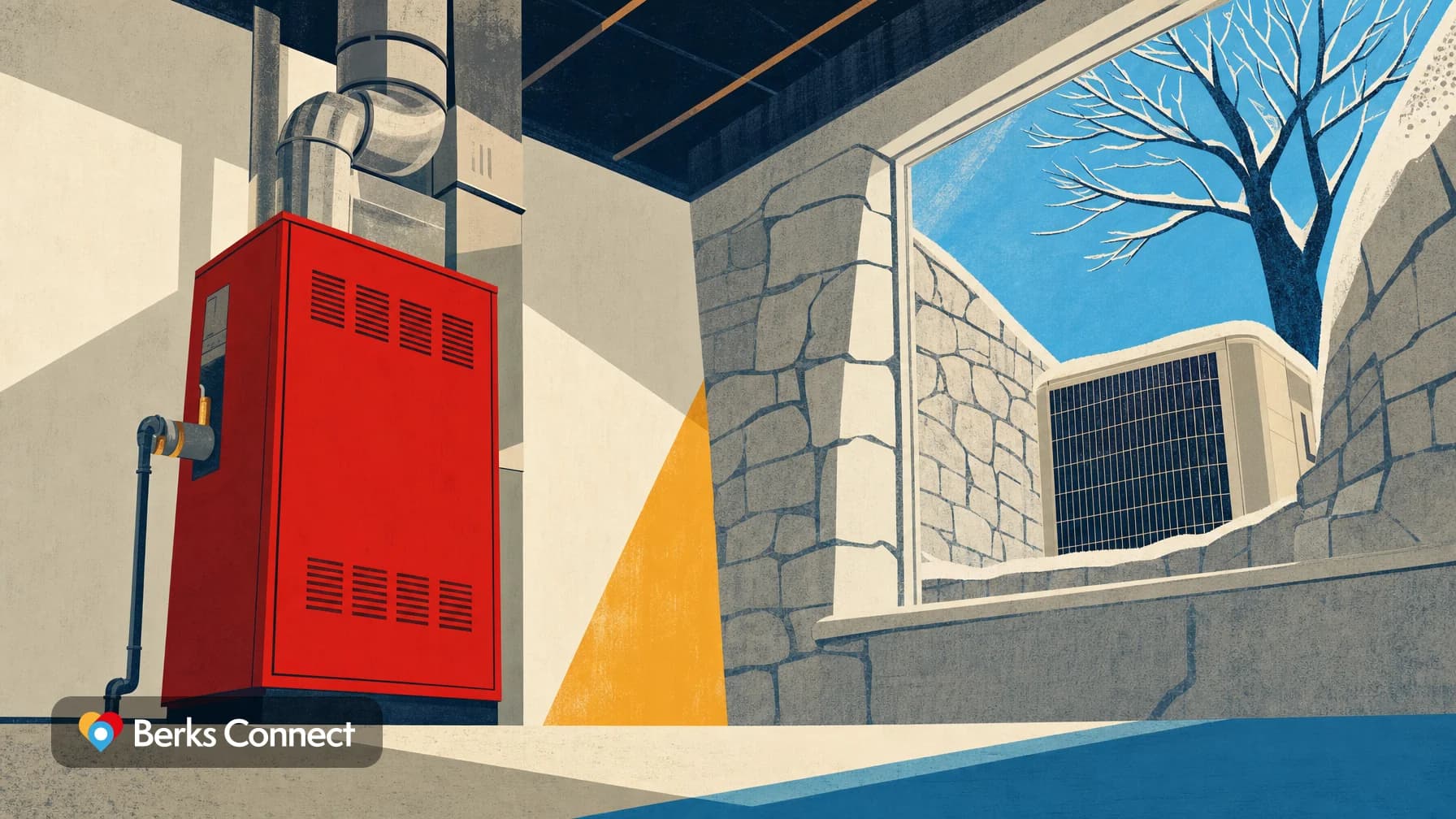
On oil or propane, a cold-climate heat pump, one certified to keep heating at 5 degrees, keeps a Berks house warm all winter and makes the same heat for less. The oil furnace spends about 30 percent more for that heat, and the propane furnace about a third more.
On UGI gas, a new furnace makes the same heat for about 40 percent less, so the furnace wins and a heat pump is the cooling half of a pair.
What you burn today decides the heat pump vs furnace question, and our HVAC companies in Berks County page lists the installers who quote both. All of this assumes the old furnace is done; if you haven't settled that yet, the $5,000 rule for repair or replace comes first.
Does a heat pump keep up in a Berks County winter?
Yes, if it's a cold-climate unit sized to your house. The design temperature for Reading, the cold night a system is sized to, is about 14 degrees, and January lows average about 22. A cold-climate unit is tested at 5 degrees and has to keep at least 70 percent of its output there, colder than most Berks nights get.
On the coldest nights, around 0 to 5 degrees, cold-climate units measured in occupied houses still made about twice the heat the electricity would make on its own, counting only the hours when the strips and the defrost cycle were off.
In a house built to code it usually runs alone until well below 40, and past that the backup strips, electric heating elements inside the indoor unit, top up the difference.
What does a heat pump cost to run against gas, oil and propane in Berks County?
The county is split on fuel, which is why neighbors get different answers. About 42 percent of Berks homes heat with utility gas, more than a fifth heat with oil, and about as many already heat with electricity. So the running cost depends on which of those you are today.
Take the heat one gallon of oil puts into your house through a typical oil furnace, and buy that same amount of heat each of these ways, at Pennsylvania's delivered prices averaged over December 2025 through March 2026, the heart of the heating season, when all four prices are published.
| How you make the heat | What that same heat costs | Next to a heat pump |
|---|---|---|
| New gas furnace, where 95 cents of every gas dollar becomes heat | $1.77 | About 40 percent less. |
| Older gas furnace, where 80 cents of every dollar becomes heat | $2.11 | About 30 percent less. |
| Cold-climate heat pump, ducted | $2.96 | The yardstick. |
| Oil furnace, where 85 cents of every dollar becomes heat | $3.90 | About 30 percent more. |
| Propane furnace, where 95 cents of every dollar becomes heat | $4.03 | About a third more. |
| Electric baseboard, or the backup strips running alone | $7.03 | About 2.4 times. |
Which row you're on today is the whole decision. The heat pump row assumes the least efficient unit that can still carry the cold-climate label. A better unit closes the gap on gas and widens it everywhere else.
Those are statewide averages, and oil finished that winter at $5.16 a gallon, so run the same comparison on your own bills.
If you heat with oil or propane, the heat pump costs less to run.
This is the case for more than a fifth of Berks homes, and it's the clearest one. Oil at $3.90 against the heat pump's $2.96 for the same heat is about 30 percent more, every fill, and propane at $4.03 is about a third more. The same machine cools the house in July, which the oil furnace never did.
That gap is a winter average, and the backup strips can eat it. Run the math on the table and the strips only have to supply about a quarter of the winter's heat for oil and the heat pump to come out even, which is why the strip lockout question at the end of this post matters.
You can keep the oil furnace as a backup for the coldest nights, but the table says it should run as little as possible. What a heat pump costs installed, the rebates that exist and the federal credit that ended are in what a heat pump costs in Berks County.
If the last oil delivery already hurt, help paying for heating in Berks County covers the programs.
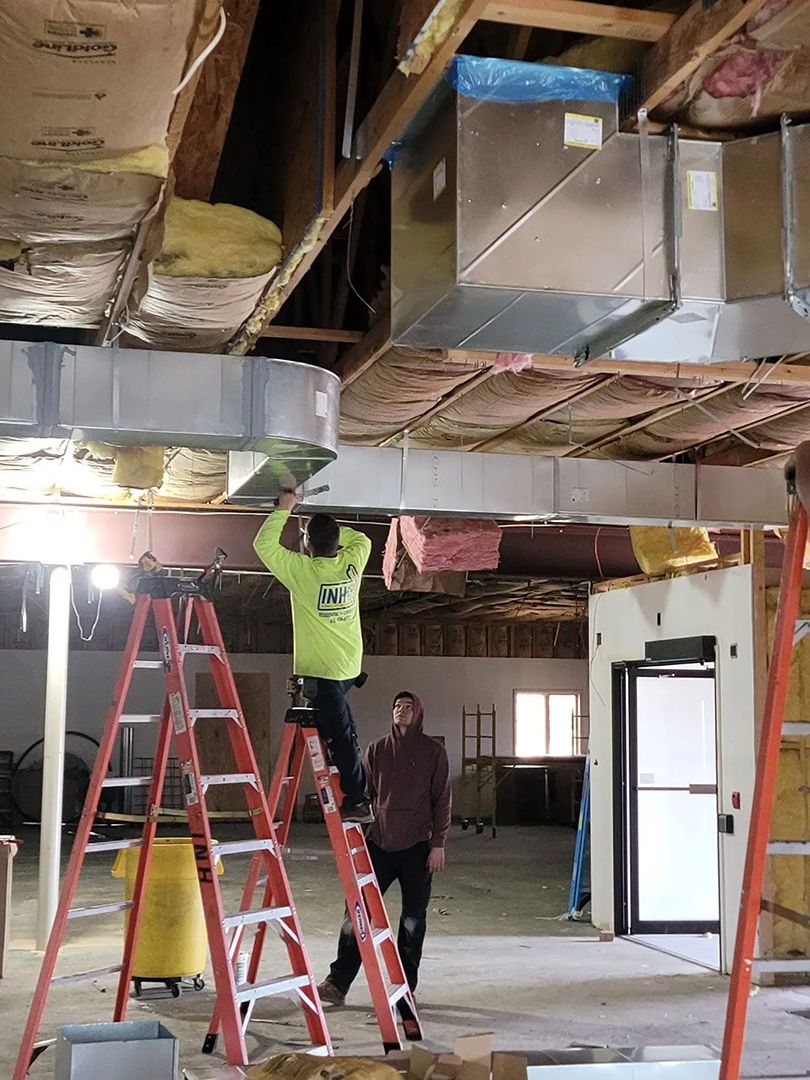
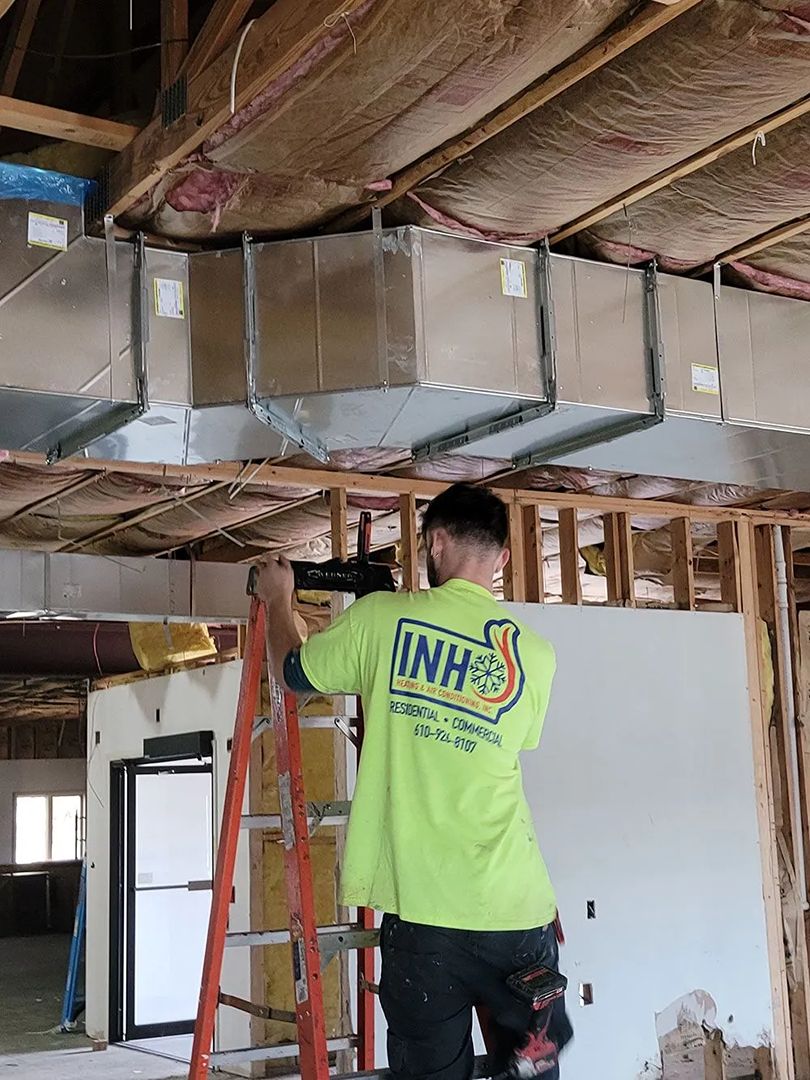
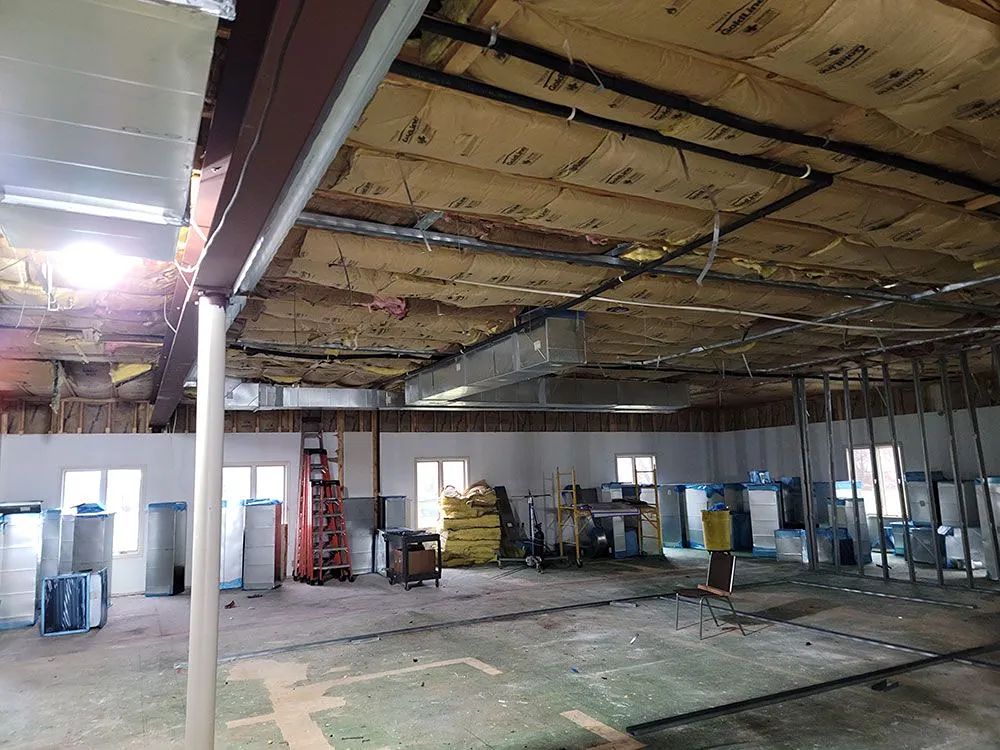
INH Heating & Air Conditioning in Leesport carries GREE, Ducane, Fujitsu and Heil, serves Berks County and the surrounding areas, and has financing on offer.
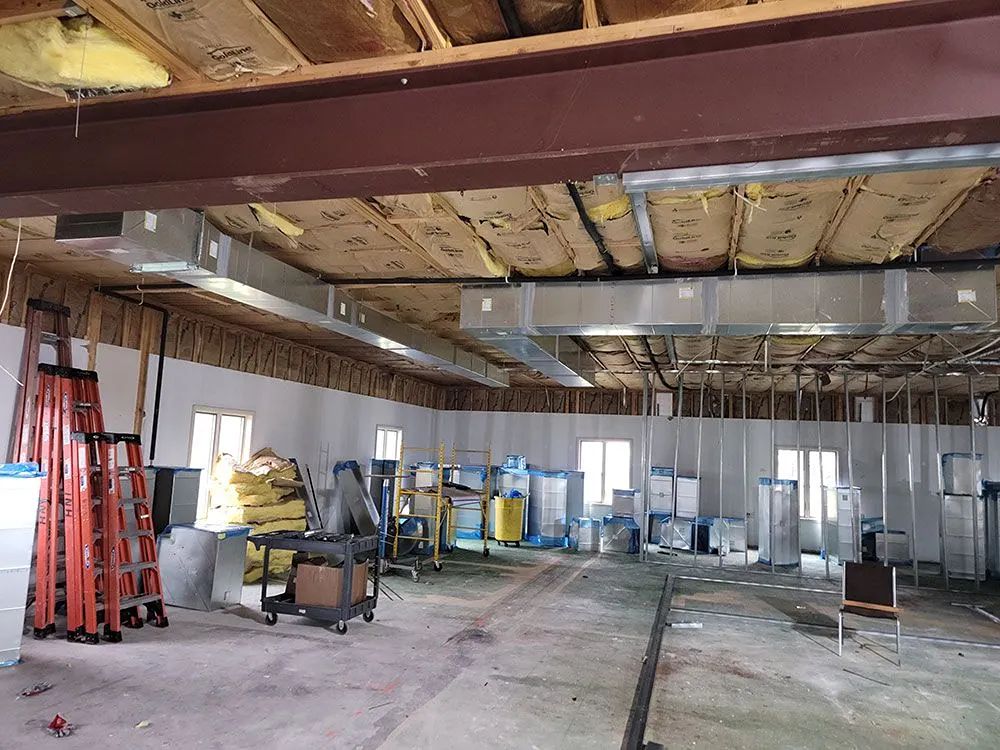
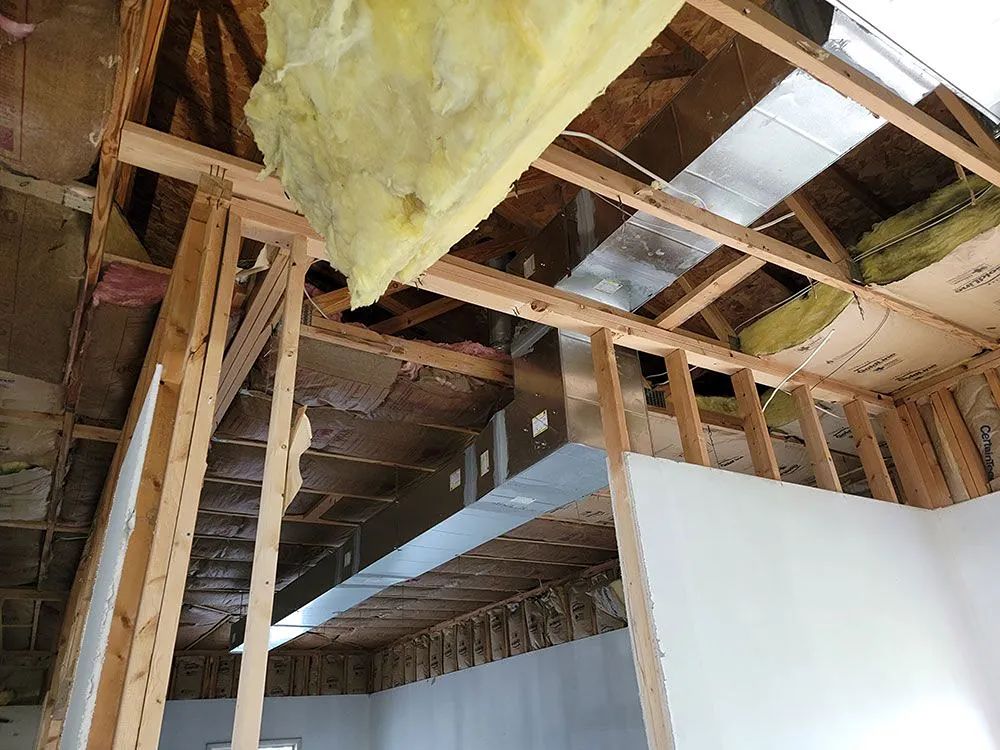
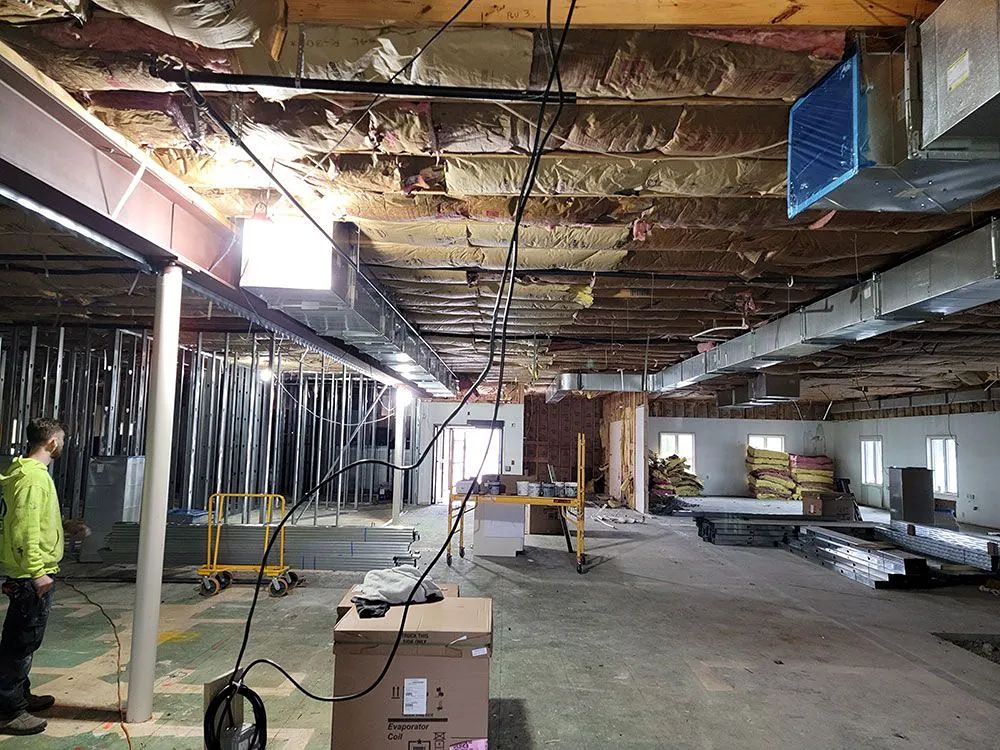
244 N Centre Ave, Leesport, PA
If you heat with UGI gas, a new furnace still costs less to run.
Gas is the one fuel where the furnace keeps the winter bill. A new furnace makes the same heat for $1.77 against the heat pump's $2.96, about 40 percent less, and even an older 80 percent furnace comes in at $2.11. A better heat pump than the floor narrows that gap without closing it.
UGI's furnace rebate is live as of 2026: $500 when you buy and install an ENERGY STAR certified gas furnace. What a new furnace costs installed, and what that rebate does to the number, is in furnace replacement cost in Berks County.
On gas, the heat pump is the cooling half of a dual fuel pair, a heat pump and a gas furnace sharing one duct system and one thermostat. Above a set outdoor temperature the heat pump heats the house alone, and in summer it's the air conditioner. Below it the furnace usually takes over and the heat pump shuts off.
Where that switch sits is programmed into the thermostat by the installer, and it's the question to ask on a gas quote, because it decides how many nights each machine runs. A dual fuel pair costs more than either machine alone, so on gas it only makes sense if you wanted central air anyway.
What are the disadvantages of a heat pump?
The backup strips are the first one. They make heat at $7.03 on the table, about 2.4 times the heat pump, and two things bring them on more than they should. Turning the thermostat down overnight can call the strips to catch up in the morning, which may use more energy than the setback saves, so hold one temperature.
The other is a wiring shortcut that fires the strips whenever the thermostat moves more than a few degrees, whatever the weather outside. That's one of the most common installation mistakes on a heat pump, and the fix is a lockout that keeps the strips off above a set outdoor temperature.
The ducts are the second. A heat pump needs a set amount of airflow to work, and leaky or undersized ducts cut its output and efficiency, so some houses need duct work first. On damp cold days the outdoor coil frosts over and the machine reverses itself to melt it, which is automatic and nothing you manage.
When should you use emergency heat?
Emergency heat, the EM HEAT setting on a heat pump thermostat, runs the backup by itself: the strips, or the furnace on a dual fuel pair. That's the $7.03 row of the table, about 2.4 times what the heat pump costs, so every hour on that setting is the most expensive heat in the house.
Leave the thermostat on its normal HEAT setting, where the heat pump runs and the strips only top up on the coldest nights. The one reason to switch to EM HEAT is an outdoor unit that has stopped, and the setting should go back the day it's repaired.
What to ask a Berks County installer before you pick.
Get a furnace and a heat pump priced on the same visit by one company that installs both, and ask these while they're in the basement. The answers tell you whether they measured your house or guessed.
- What's my house's heat loss on a 14 degree night, and what does this unit put out at that temperature? If the second number is smaller, the strips make up the difference, and you want to know how often.
- At what outdoor temperature are the backup strips locked out? A lockout keeps them off on mild days no matter what the thermostat asks for.
- Can my ducts move the air this unit needs, and what happens if they can't? Adjusting the fan speed helps a little; leaky or undersized ducts usually mean duct work.
- Does my electrical service have room for the heat pump and its strips? If it doesn't, the panel work belongs on the quote.
- On gas, where will you set the switch to the furnace, and why there? That number decides the winter bill on a dual fuel pair.
- What's the heating efficiency number on this unit, the HSPF2 printed on the quote, and how far above 8.1 is it? 8.1 is the lowest a cold-climate unit can be, and anything above it makes the heat pump row cheaper.
DeLong & Sons HVAC in Shoemakersville serves Shoemakersville and Berks County, prices its maintenance plans separately for oil heat and for electric or gas heat, and lists upfront pricing with no hidden fees.
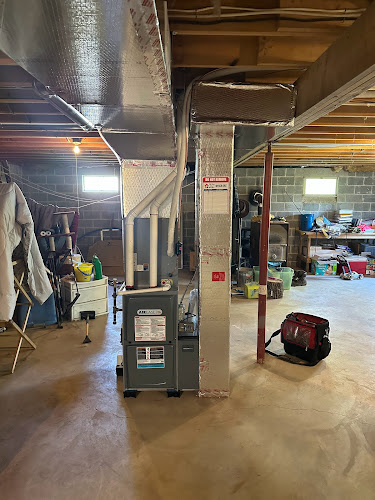
403 Franklin St, Shoemakersville, PA
Take the table with you when you call. The HVAC companies in Berks County page lists the installers who quote both, and our guide to HVAC contractors in Berks County is the longer read on picking one.
Sources
- U.S. Energy Information Administration, "Electric Power Monthly, Table 5.6.A" (December 2025 through March 2026 issues): the four monthly Pennsylvania residential electricity prices averaged for the heat pump and electric strip rows.
- U.S. Energy Information Administration, "Pennsylvania Price of Natural Gas Delivered to Residential Consumers" (December 2025 through March 2026): the four monthly delivered gas prices averaged for the two furnace rows.
- U.S. Energy Information Administration, "Weekly Pennsylvania No. 2 Heating Oil Residential Price" (December 2025 through March 2026): the eighteen weekly oil prices averaged for the oil row, and the $5.16 in the week ending March 30.
- U.S. Energy Information Administration, "Weekly Pennsylvania Propane Residential Price" (December 2025 through March 2026): the eighteen weekly propane prices averaged for the propane row.
- U.S. Energy Information Administration, "Heating Oil and Propane Update" (read September 2026): that oil and propane prices are collected only October through March, which is why the comparison stays inside the heating season.
- U.S. Energy Information Administration, "British thermal units" (read September 2026): the heat content of a gallon of oil, a gallon of propane, a cubic foot of gas and a kilowatt hour used to put every row on one gallon of oil's heat.
- U.S. Energy Information Administration, "Gas furnace efficiency has large implications for residential natural gas use" (2013): what a furnace efficiency rating means, the cents of every fuel dollar that become heat.
- ENERGY STAR, "Version 6.2 Central Air Conditioner and Heat Pump Final Specification" (effective January 2023): the cold-climate criteria, including the 8.1 HSPF2 ducted floor, testing at 5 degrees, and at least 70 percent of output at 5 degrees.
- ENERGY STAR, "Air Source Heat Pumps" (read September 2026): that a cold-climate unit keeps working below 5 degrees with a backup, and what a dual fuel system is.
- Pacific Northwest National Laboratory, "Performance Results from DOE Cold Climate Heat Pump Technology Challenge" (2025): the field results in occupied houses, about twice the heat of the electricity at 0 to 5 degrees, the switchover setting programmed into the thermostat, and how defrost works.
- U.S. Department of Energy, "Air-Source Heat Pumps" (archived copy, June 20, 2026): that a code-built house usually runs on the heat pump alone until well below 40, the strip-heat wiring mistake and the outdoor lockout, and the airflow ducts have to deliver.
- U.S. Department of Energy, "Operating and Maintaining Your Heat Pump" (archived copy, May 29, 2026): that backup strips cost more to run, and that a setback which brings them on should be avoided.
- Efficiency Maine, "Heat Pump User Tips" (read September 2026): holding one temperature rather than setting back, that a furnace paired with a heat pump is for backup only, and that defrost is automatic.
- Building America Solution Center, "Cold Climate Heat Pump Sizing and Selection" (read September 2026): that on a gas dual fuel system the furnace takes over completely below the switch point.
- UGI Utilities, "Rebates for Home: Natural Gas" (read September 2026): the $500 rebate on an ENERGY STAR certified gas furnace.
- NOAA National Centers for Environmental Information, monthly climate normals for Reading Spaatz Field (1991 to 2020): the January average low of about 22 degrees.
- ASHRAE design conditions, Reading, Pennsylvania station 725103 (read September 2026): the 99 percent heating design temperature of about 14 degrees.
- U.S. Census Bureau, American Community Survey table B25040, Berks County (2024 five-year estimates): the shares of Berks homes heating with utility gas, fuel oil and electricity.