Sump Pump Cost in Berks County: Install, Replace, and Backup
What replacing a sump pump, digging a first pit, and adding a battery or water-powered backup cost, how long a pump lasts, and where the water may go.
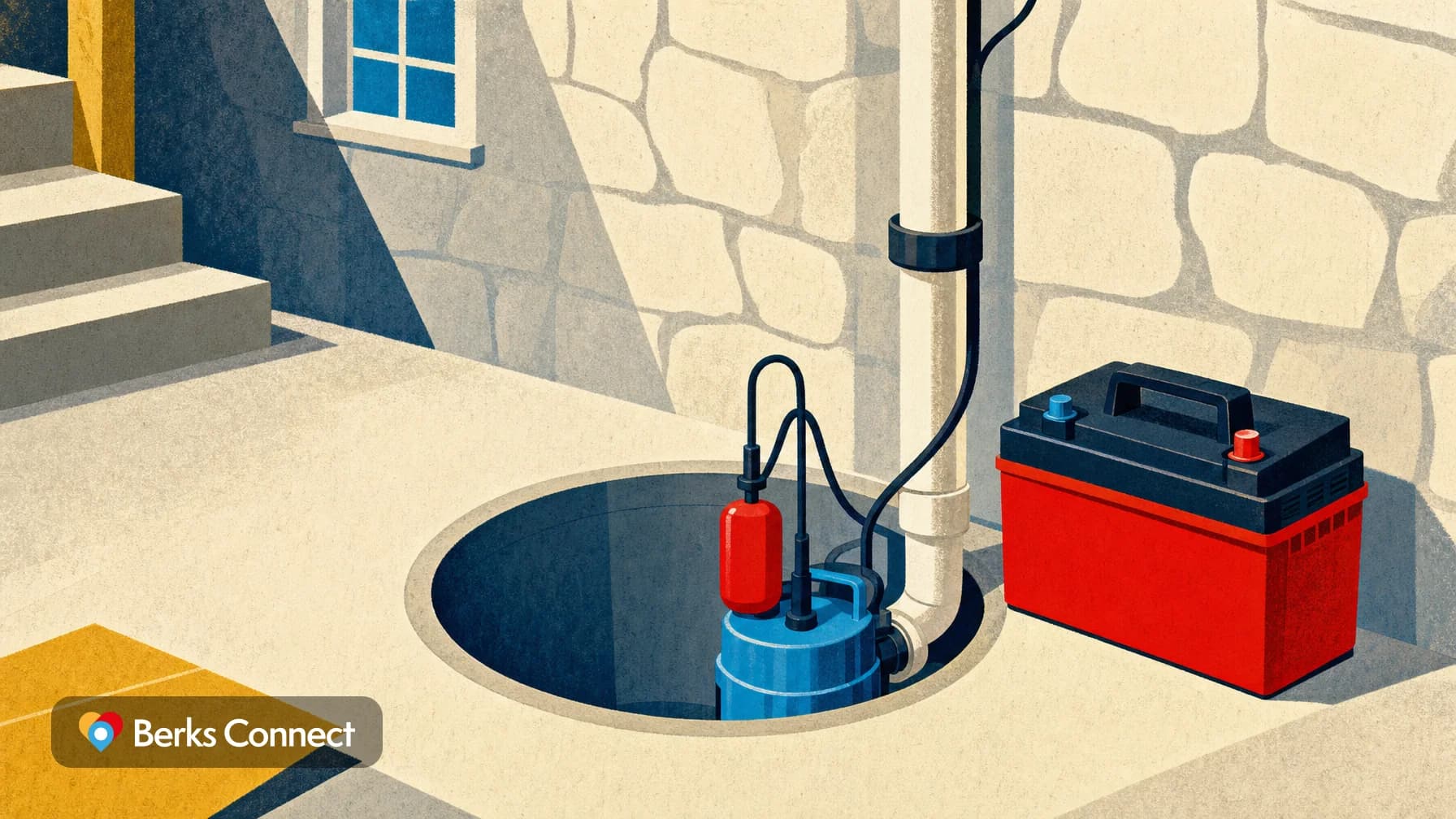
Replacing the pump in a pit you already have runs about $350 to $1,000 nationally as of 2026, a one-to-three-hour job. A first install with a new pit runs about $800 to $2,000, more when the pit has to be cut through a concrete floor. A battery backup pump adds $150 to $250 for the unit, more installed, and it's the one add-on I'd never skip, because the storm that fills the pit is the same storm that knocks out the power. Every figure in the table below is national; the plumbers on the county plumbers page quote after they've seen your pit.
| The job | National range | What the figure covers |
|---|---|---|
| Replace the pump in an existing pit | $350 to $1,000 | Pump and labor, one to three hours |
| First install: new pit, pump and above-ground discharge | $800 to $2,000, typically $1,400 | The whole job |
| Digging the pit alone | $500 to $1,200 | Labor for the pit |
| Pump unit, 1/3 horsepower | $90 to $250 | The pump alone |
| Pump unit, 1/2 horsepower | $160 to $400 | The pump alone |
| Pump unit, 3/4 horsepower | $200 to $500 | The pump alone |
| Battery backup pump added to an existing system | $150 to $250 | The unit; the battery is sold separately |
| Water-powered backup pump | $200 to $900 | The unit |
| Repair | $200 to $500 | Parts and labor |
One national cost guide's figures, not Berks prices.
The pit is what moves the price: a pump dropped into an existing pit is the low end, a pit dug or cut is the high end. A plumber quotes after seeing yours.
What a sump pump does and which Berks basements need one.
A sump pump sits in a pit at the lowest point of the basement floor. Ground water, and the water from the drain pipes around the footing of the house, collects in that pit. A float rises with the water and switches the pump on, the pump pushes the water out through a discharge pipe to the yard or a storm drain, and a one-way valve in that pipe, the check valve, keeps the pumped water from falling back into the pit when the pump shuts off. A pedestal pump stands above the pit with its motor in the air; a submersible sits underwater in the pit, and it's quieter and more powerful.
You need one if the house sits in a floodplain, on a high water table, or has ever taken on water in a storm. If the basement is only damp, or sweats in a humid July, the fix is often grading and gutters, not a pump. More than a quarter of the county's homes and more than half of Reading's were built before 1940, and older houses often have no drainage under the floor at all. If yours is one of them, a pump alone won't fix a wet floor: the drainage and the pit have to go in first, and the pump is the last piece.
The water table rises in early spring and late fall, when the ground is thawed and the plants aren't drinking. When the remnants of Ida came through on Sept. 1 and 2, 2021, Earl Township got more than seven inches, Bernville and Sinking Spring more than six, and Reading more than five.
What drives the price up or down.
Most homes need a pump between 1/3 and 3/4 horsepower: a 1/3 horsepower unit runs $90 to $250, a 1/2 $160 to $400, and a 3/4 $200 to $500. The pit is the bigger variable. If you already have one, the labor is one to three hours. If you don't, digging a pit runs $500 to $1,200, and cutting the pit through a concrete floor adds to that. A repair runs $200 to $500, and once a submersible pump is near ten years old I'd put that money toward a new one.
Labor runs $75 to $150 an hour, and how Berks plumbers price a job explains how that shows up on a Berks invoice. The installer also has to meet the code: a pit at least 18 inches across and 24 inches deep with a removable cover, a full-flow check valve you can reach, and a shock-protected outlet like every other basement receptacle.
Do you need a battery backup, and what does one cost?
I'd say yes for any house where the pump runs during storms. The storms that fill the pit are the storms that knock the power out. Pumps also fail on their own: a stuck float, a burned-out motor, more water than it can move. JB Plumbing HVAC in Reading strongly recommends a backup for every home with a sump pump.
A battery backup is a second, smaller pump in the same pit, run by a 12-volt battery with its own float and a charger, and it starts when the water rises past the main pump's level. On one maker's systems a charged battery runs it 40 to 80 hours if the pump runs about six minutes of every hour, fewer hours the harder it rains, and some of its systems take a second battery, which doubles that.
The unit is $150 to $250 for a backup added to an existing system. The battery is often sold separately, so ask whether the quote includes it. Roto-Rooter puts battery replacement at every two to three years.
What about a water-powered backup?
A water-powered backup uses city water pressure instead of electricity, about one gallon of tap water for every 1.5 to 2 gallons lifted out of the pit, and the unit runs $200 to $900. It needs steady supply pressure, so it works on a public water line and does nothing on a private well when the power is out. The water it uses shows up on your water bill.
Where the pumped water can go in Berks.
The water goes to the yard or a storm drain, never into the sewer that carries sewage. That's the state code, and Berks towns follow it. A brochure Kutztown Borough publishes explains why: the pipe under the street is usually 8 inches and carries about 300 gallons a minute, one half-horsepower sump pump sends it about 60, and five pumps fill it.
These are five towns and utilities with published rules on where sump water can go; if yours isn't here, your town office or sewer authority has the answer.
| Where you live | The rule on where the sump water goes |
|---|---|
| Exeter Township (sewer run by Pennsylvania American Water) | Sump pumps are on the company's list of unauthorized sanitary sewer connections, "strictly prohibited" |
| Kutztown | Sump discharge is excluded from what may enter the Borough sewer; ground and rain water go to the storm system or onto the ground |
| Spring Township | The transfer inspection at a sale asks where the sump pumps to and requires that it not be connected to the sanitary sewer |
| Muhlenberg Township | The transfer inspection at a sale checks that sump pumps aren't hooked to the sanitary sewer |
| City of Reading | Clean water from foundation and footing drains, and clean groundwater, are on the list the City may allow into its storm sewer |
Each municipality's or utility's own published rule.
How long a sump pump lasts and how to tell it's going.
Plan on 7 to 10 years for a submersible, and less if it runs often; a pedestal pump, with its motor up out of the water, can go 25 or 30.
The pump tells you before it quits. Rattling, constant cycling, shuddering when it starts, and rust are the signs, and a ten-year-old submersible with any of them gets replaced before the next storm.
Who to call for which sump pump job.
For most of this, the answer is a plumber. Replacing the pump, the check valve, or the discharge line is plumbing work, and it's what the companies on the county plumbers page do. A new outlet by the pit is electrical work; find an electrician on the county electricians page.
If your house has no pit and no drainage under the floor, a basement waterproofing company is the other call: they specialize in the drainage system and the pit, and some install the pump as part of the same job.
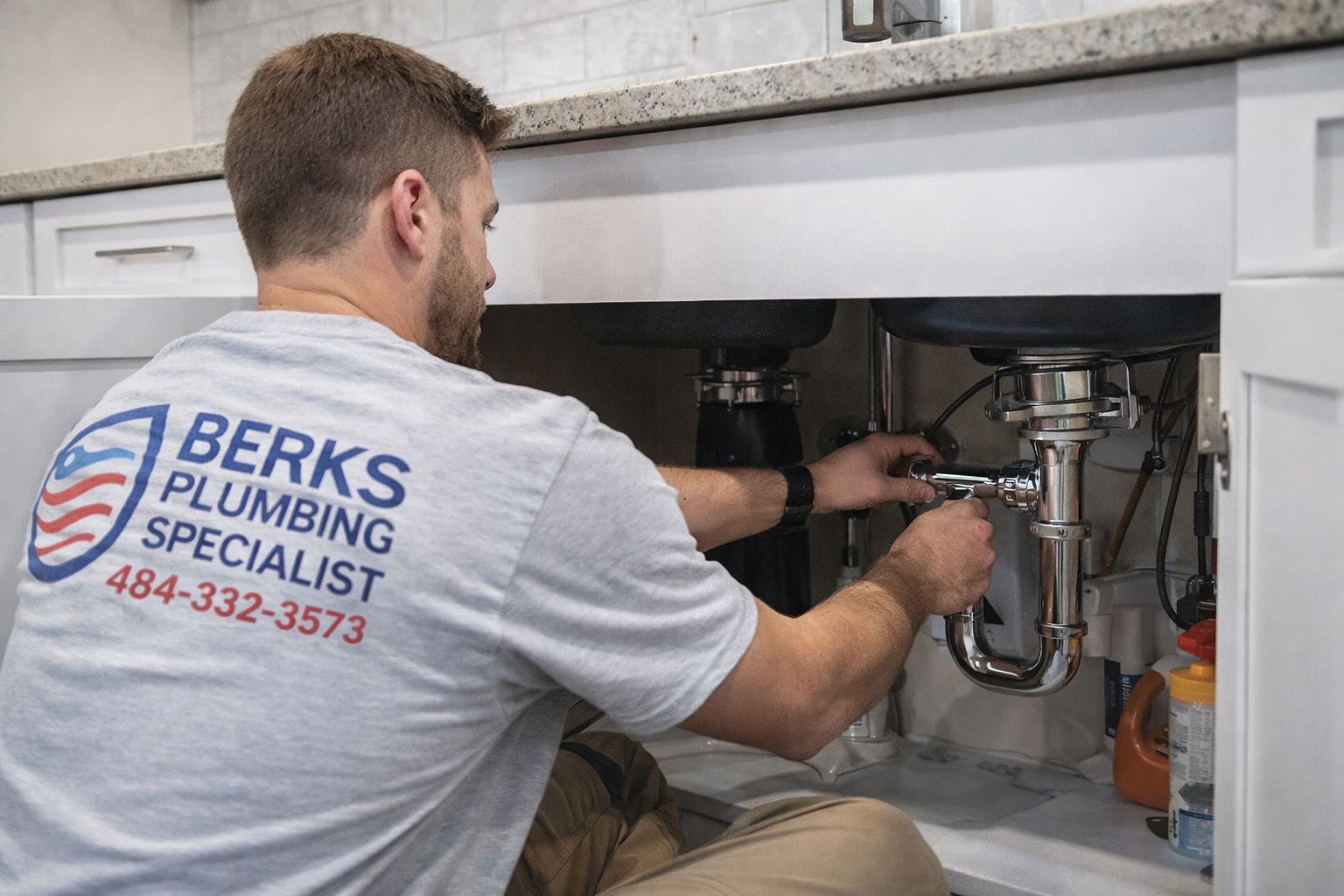
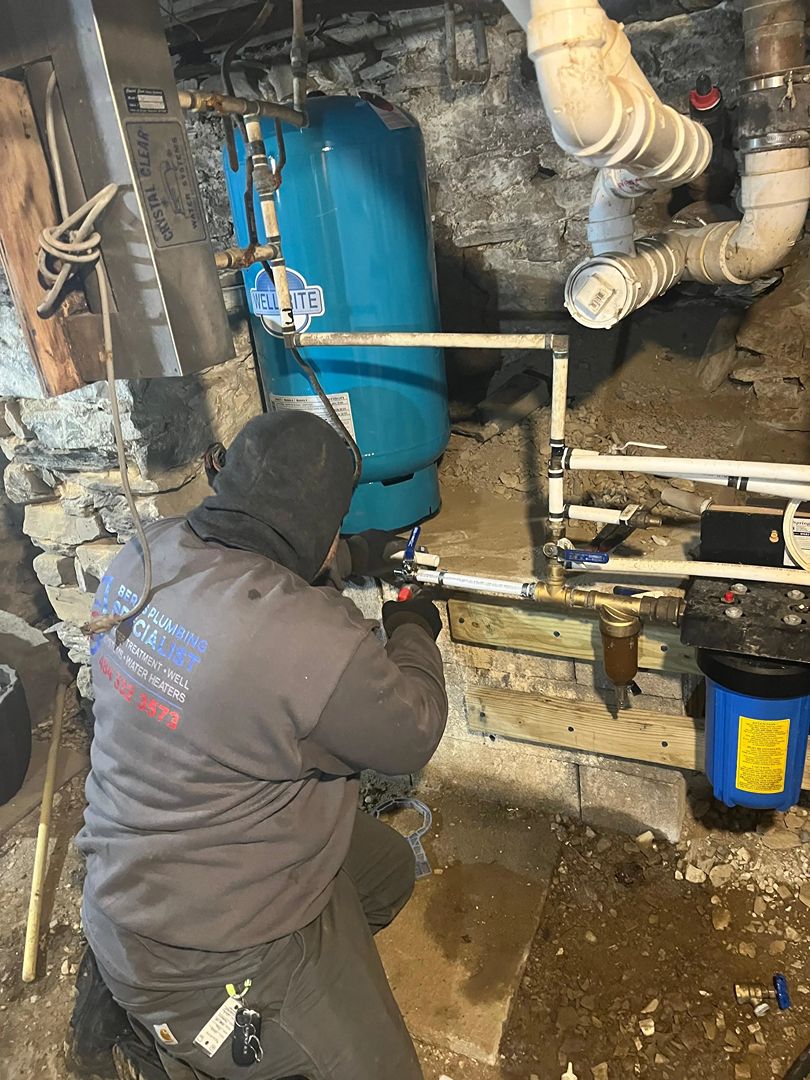
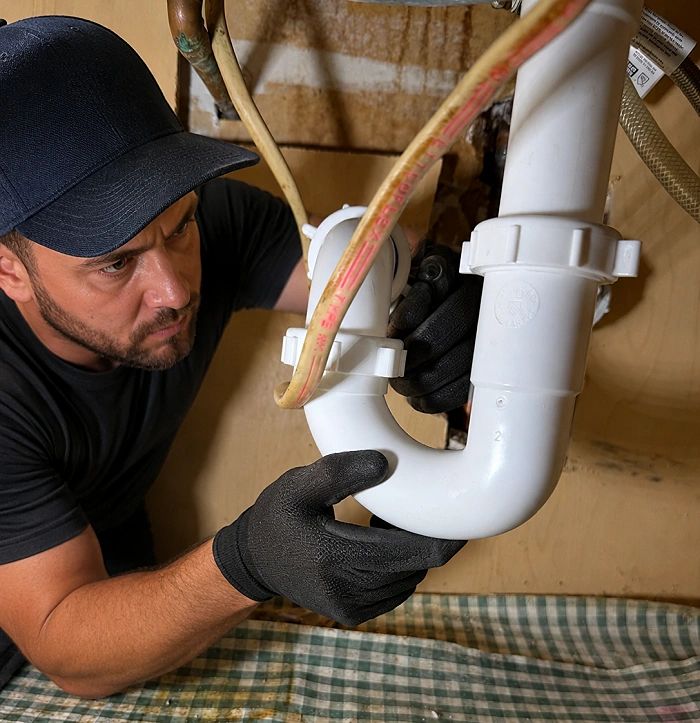
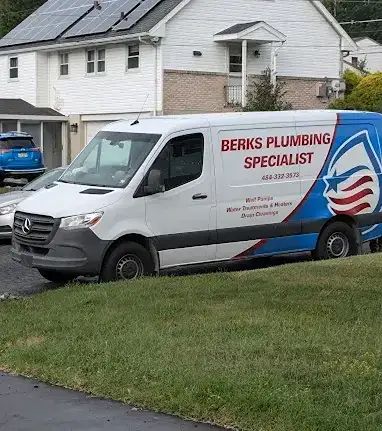
Berks Plumbing & HVAC Specialist in Reading repairs, installs and replaces primary pumps, battery backups and pedestal pumps, and services combination systems (a primary pump and a backup in one unit) from the major makers.
201 East Bellevue Avenue, Reading, PA
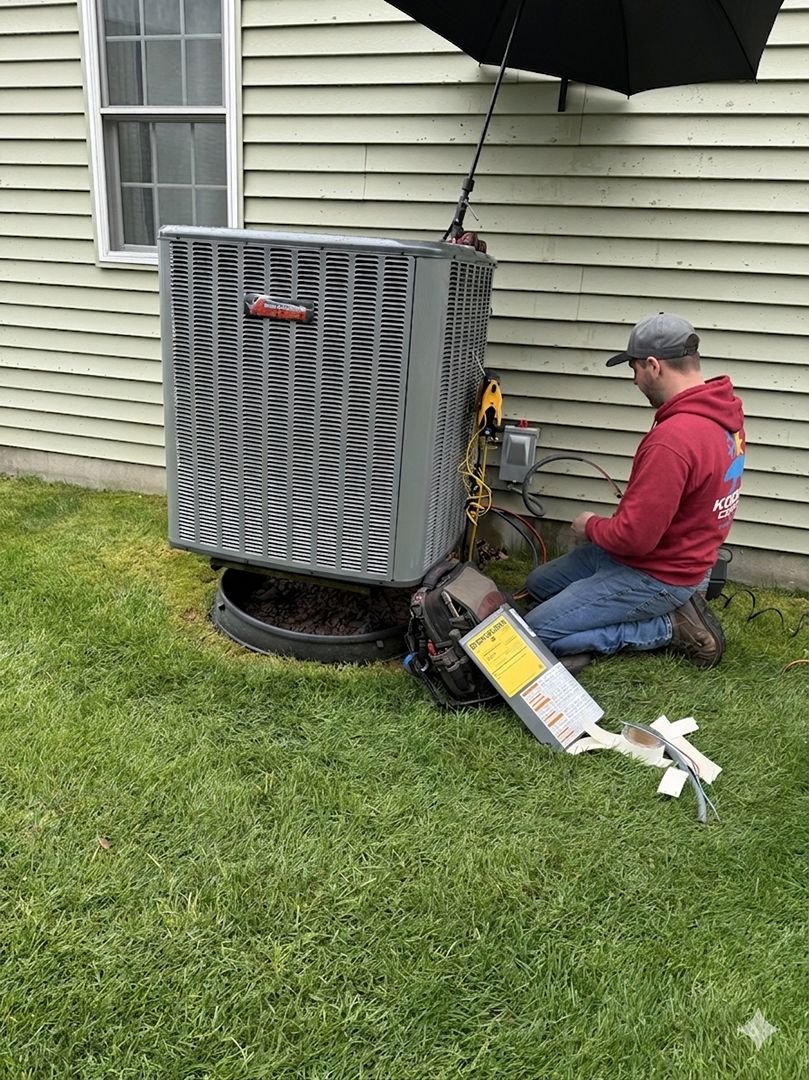
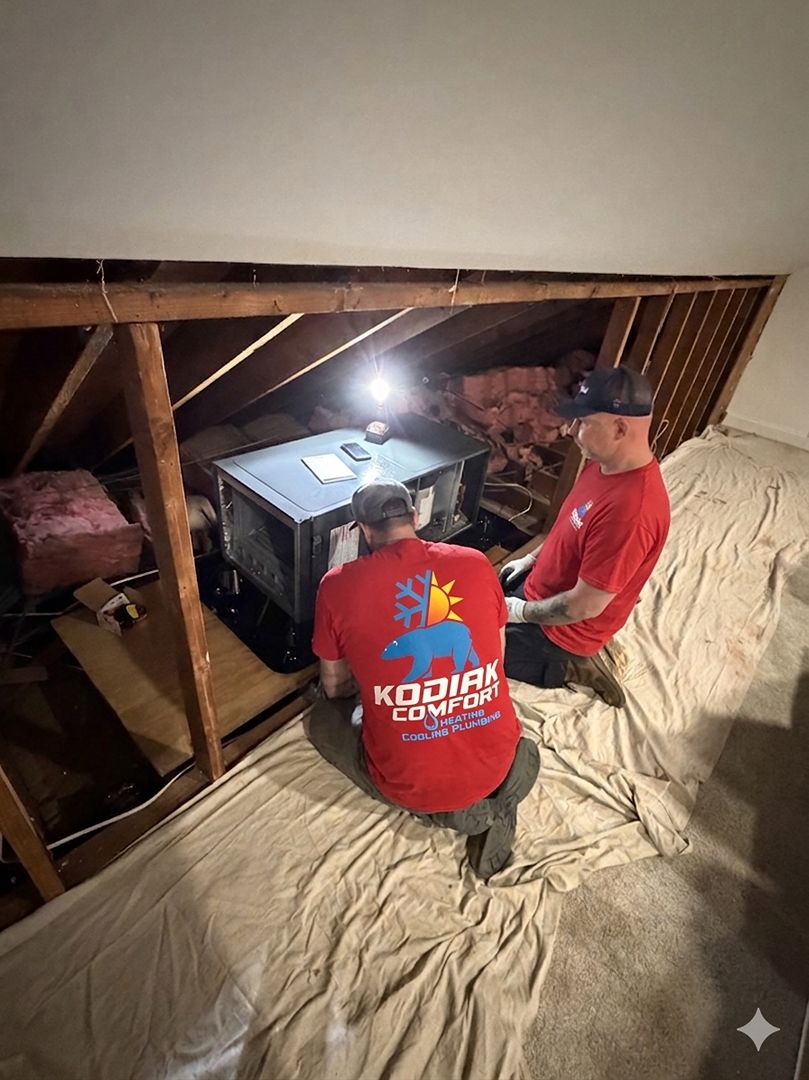
Kodiak Comfort in Wyomissing installs and replaces pumps and takes repair calls for drainage failures, unusual noises, power issues, or a pump that runs inconsistently.
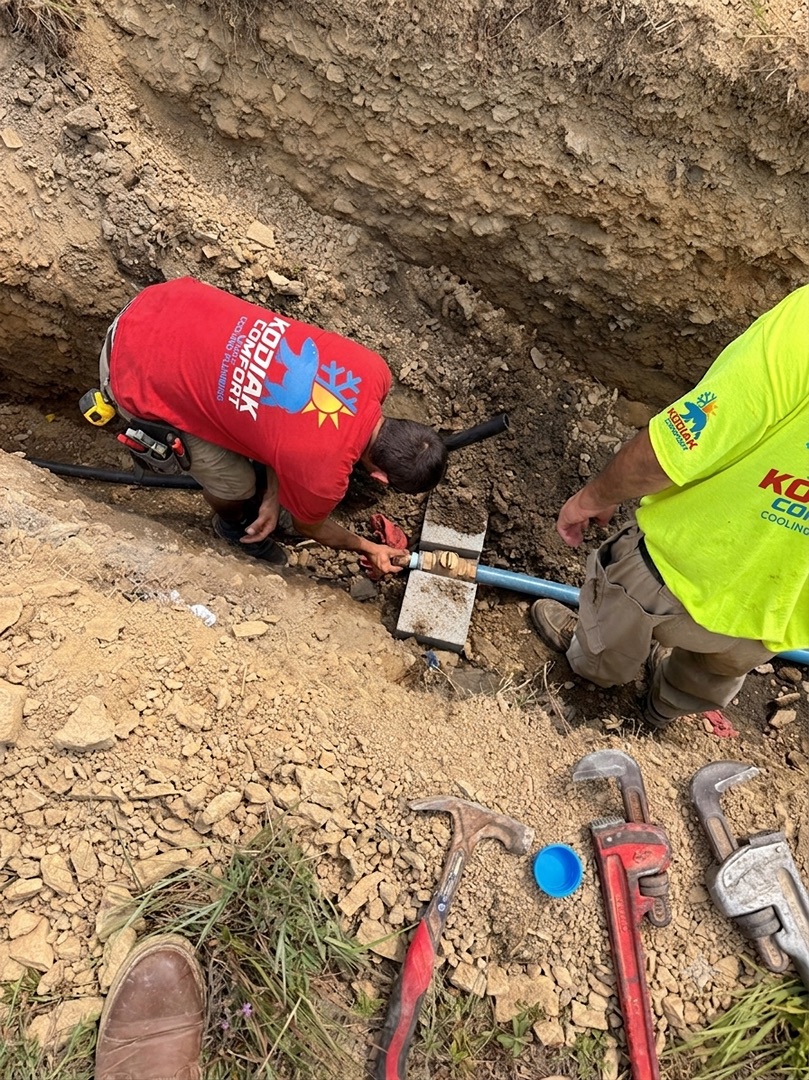
845 N Park Road, Wyomissing, PA
Before you call, read our plumber hiring guide, and know whether you have a pit, how old the current pump is, and where the discharge line runs now.
Sump pump questions people ask.
Does homeowners insurance cover a sump pump failure?
Not on the standard policy; it excludes water that overflows from a sump or sump pump. A water backup endorsement adds coverage for the damaged property, even when the overflow came from a mechanical breakdown or a power failure; it doesn't pay for the pump that broke down, and it still excludes overflow that came from a flood or surface water and losses the insurer pins on the owner's negligence.
Can I run the discharge into the sewer or a floor drain?
No. Storm water and ground water may not be drained into a sewer meant for sewage. The discharge goes to the yard, routed away from the foundation, or to a storm drain where the town allows it.
Can I replace the pump myself?
It's the smallest job on this page: a swap into an existing pit that already has an outlet and a check valve is one to three hours of work. Whoever does it has to meet the pit, check valve and shock-protected-outlet rules and route the discharge away from the house. A new pit, a new outlet, or a discharge line that has to be rerouted is where it becomes a plumber's or an electrician's job.
How often should I test the pump?
Once a year, ideally before spring. Pour a bucket of water into the pit and watch the float rise, the pump start, and the water leave without coming back. If you have a battery backup, unplug the primary and pour again; the backup should start on its own.
Sources
- HomeAdvisor, "Sump Pump Replacement Cost" (June 19, 2026): who installs a sump pump, which basements need one, the signs a pump is failing, and replacing a pump past ten years old.
- Fixr, "Sump Pump Installation Cost" (January 31, 2025): every figure in the price table (replacement, new install, pit digging, unit prices by horsepower, battery and water-powered backup units, repairs), the hourly labor rate, and the waterproofing company note.
- This Old House, "Sump Pump Cost" (March 11, 2026) and Bob Vila, "Sump Pump Cost" (January 12, 2024): pedestal pump life spans, and (Bob Vila) the repair range.
- InterNACHI, "Sump Pump Operation and Inspection Guide", State Farm, "Sump Pump Basics" (August 17, 2023) and Nationwide, sump pump guide: how the pit, float, pump, discharge and check valve work, pedestal versus submersible, and which basements need one.
- University of Minnesota Extension, "Moisture in basements: causes and solutions" and Penn State Extension, "A Quick Guide to Groundwater in Pennsylvania": older houses without drainage under the floor, and when the water table rises.
- U.S. Census Bureau, ACS 2020 to 2024 five-year estimates, table B25034, Berks County and City of Reading: homes built 1939 or earlier.
- WFMZ, "Rainfall totals: How much did Lehigh Valley, Berks get?" (September 2, 2021): the Ida rainfall by Berks town.
- Zoeller at Home, FAQ: the 7 to 10 year average life, the battery backup definition, and the maintenance list.
- Basement Watchdog (Glentronics), FAQ and Big Dog CONNECT product page: why a pump fails, what a backup system includes, the battery sold separately, run times at a 10 percent duty cycle, doubling with a second battery, and charging times.
- Liberty Pumps, SJ10 SumpJet and Base Products Corporation, Basepump FAQ: the water-powered backup's water use ratio, supply pressure requirements, and the private well limitation.
- Pennsylvania Residential Code 2021, Chapter 33 (P3302, P3303), Chapter 39 (E3902.5) and Pennsylvania Plumbing Code 2021, § 1101.3: the pit size and cover, the check valve, the basement GFCI rule, and storm water never into a sanitary sewer.
- Pennsylvania American Water, "Rights and Responsibilities", Exeter Township, "Utilities", Kutztown Borough, Ordinance 3-2015 (Chapter 177, Sewers) and the Borough's "Sump Pumps into the Sanitary Sewer Cause Big Problems!" brochure: unauthorized connections, Exeter's sewer sold to Pennsylvania American Water in 2019, the sewer ordinance's definition, and the 8-inch pipe arithmetic in the brochure the Borough publishes.
- Spring Township, Property Transfer Application (Ordinance 341) and Muhlenberg Township, Property Transfer inspection checklist: the sump pump questions and standards at a sale.
- City of Reading Code of Ordinances, § 505-181 Prohibited discharges: the discharges the City may allow into its storm sewer.
- Berks Plumbing & HVAC Specialist, "Sump Pump Service", Kodiak Comfort, "Sump Pump Install" and "Sump Pump Repair", JB Plumbing HVAC, "Sump Pumps", Haller Enterprises, "Sump Pumps" and Roto-Rooter, sump pump page: what each company says about the job, life span, and battery replacement, as read in September 2026.
- Benjamin Franklin Plumbing, sump pumps and Travelers, "Sump Pump Maintenance for Your Home": the bucket test and the backup test.
- Homeowners 3 Special Form, HO 00 03 05 11 (Insurance Services Office, 2010), as hosted by the Maine Bureau of Insurance, Limited Water Back-Up and Sump Discharge or Overflow Coverage, TRUE 04 95 06 25 and Spotts Insurance Group, "Understanding Endorsements on Homeowners Policies" (July 2024): the sump overflow exclusion; what the water backup add-on pays, its flood and groundwater exclusion and its negligence condition; and the agency's note on negligence and flood.