Affinity Counseling Services
Affinity Counseling Services in Sinking Spring provides professional guidance and support to individuals seeking mental health and emotional well-being.
About Affinity Counseling Services
Overview
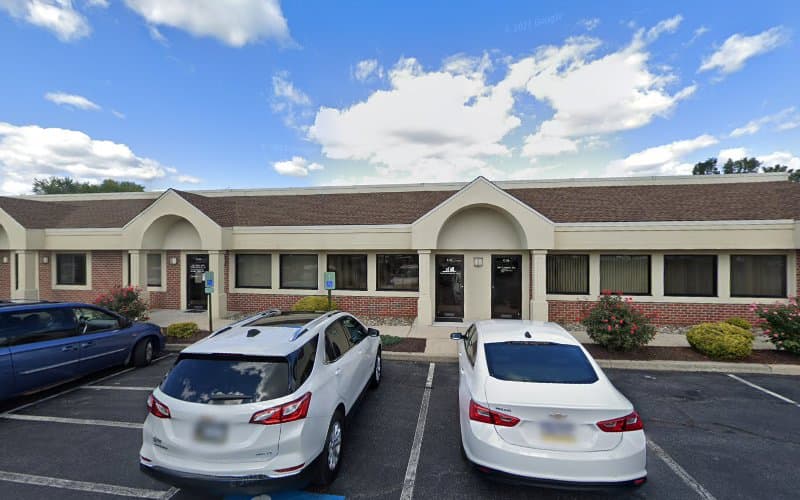
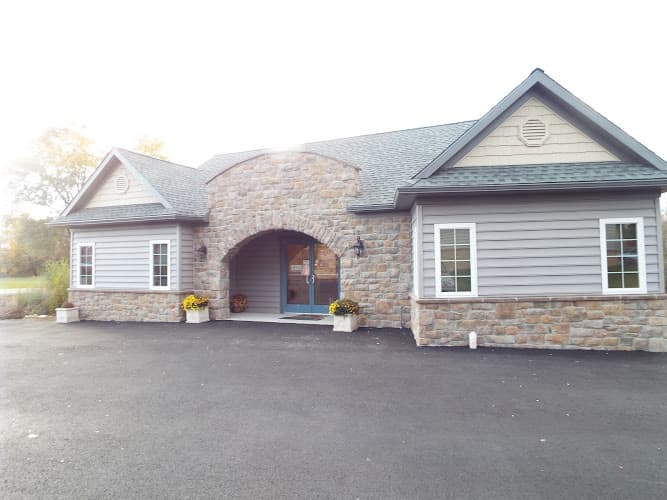
Affinity Counseling Services is a mental health practice located in Sinking Spring, Pennsylvania, providing professional counseling services to individuals in Berks County and the surrounding region. The practice operates from a suite at 2917 Windmill Road, situated in the western suburbs of Reading, Pennsylvania. As a counseling provider, the practice offers therapeutic services designed to address various mental health concerns and life challenges faced by clients seeking professional support.
Location and Setting
The practice is positioned in Sinking Spring, a borough in Berks County with a population of approximately 4,000 residents. The Windmill Road location places the office in a suburban commercial area with convenient access from major roadways serving the greater Reading metropolitan area. This positioning makes the practice accessible to residents throughout western Berks County, including communities such as Wyomissing, West Lawn, Shillington, and the broader Reading area.
Sinking Spring itself derives its name from a limestone sinkhole that historically absorbed a local stream, a geological feature common to the region's karst topography. The borough has developed as a residential and commercial suburb of Reading, maintaining a quieter atmosphere compared to the urban center while offering proximity to regional services and amenities.
Services and Practice Focus
As a counseling practice, Affinity Counseling Services operates within the broader mental health services sector, which encompasses a range of therapeutic approaches and treatment modalities. Counseling practices of this type typically provide services that may include individual therapy, couples counseling, family therapy, and specialized treatment for specific conditions such as anxiety, depression, grief, trauma, and relationship difficulties.
Mental health counseling differs from psychiatric services in that counselors focus primarily on talk therapy and behavioral interventions rather than medication management. Licensed professional counselors work with clients to develop coping strategies, process emotional experiences, identify patterns of thought and behavior, and work toward specific therapeutic goals established collaboratively between counselor and client.
The counseling profession in Pennsylvania is regulated by the State Board of Social Workers, Marriage and Family Therapists and Professional Counselors, which establishes licensing requirements, continuing education standards, and ethical guidelines for practitioners. Licensed Professional Counselors in Pennsylvania must complete graduate-level education, supervised clinical experience, and pass national examinations to obtain and maintain their credentials.
Appointment Information
Affinity Counseling Services operates on an appointment-recommended basis, meaning that clients should schedule sessions in advance rather than expecting walk-in availability. This scheduling approach is standard practice in the mental health field, as therapy sessions require dedicated time blocks and appropriate preparation by the counselor. Prospective clients can contact the office by telephone at 610-670-7010 to inquire about services, discuss availability, and schedule initial consultations.
Initial appointments in counseling settings typically involve an intake process where the counselor gathers information about the client's history, current concerns, and therapeutic goals. This assessment helps establish the foundation for treatment planning and allows both counselor and client to determine whether the therapeutic relationship is a good fit for the client's needs.
Facility Accessibility
The practice has implemented accessibility accommodations to serve clients with mobility limitations. The facility includes wheelchair accessible parking and wheelchair accessible restroom facilities, ensuring that individuals who use wheelchairs or other mobility devices can access services without physical barriers. These accommodations reflect compliance with the Americans with Disabilities Act requirements for places of public accommodation and demonstrate attention to serving a diverse client population.
Accessibility in mental health settings extends beyond physical accommodations to include considerations of how services are delivered. Many counseling practices have expanded their service delivery options in recent years to include telehealth sessions, which can provide additional accessibility for clients who face transportation challenges, scheduling constraints, or health conditions that make in-person visits difficult.
The Mental Health Landscape in Berks County
Berks County, where Affinity Counseling Services is located, has a population of approximately 420,000 residents and faces mental health service needs common to mid-sized metropolitan areas in Pennsylvania. The region has seen increased attention to mental health resources in recent decades, with various providers, community organizations, and healthcare systems working to address gaps in service availability.
Private counseling practices like Affinity Counseling Services play a role in the broader mental health ecosystem by providing outpatient services that complement hospital-based psychiatric programs, community mental health centers, and crisis intervention services. Private practices often serve clients who have commercial insurance, participate in employee assistance programs, or pay out of pocket for services, while community mental health centers may focus more heavily on serving populations covered by Medicaid or those without insurance.
Understanding Counseling Services
For individuals considering counseling services, understanding what to expect can help reduce uncertainty about the process. Professional counseling is a collaborative relationship between a trained therapist and a client, focused on addressing specific concerns or broader patterns that affect the client's wellbeing and functioning. Sessions typically last between 45 and 60 minutes and occur on a regular schedule, often weekly, though frequency may be adjusted based on client needs and treatment progress.
Counselors employ various theoretical orientations and therapeutic techniques depending on their training and the needs of their clients. Common approaches include cognitive-behavioral therapy, which focuses on the relationship between thoughts, feelings, and behaviors; psychodynamic therapy, which explores how past experiences influence current patterns; humanistic approaches, which emphasize personal growth and self-actualization; and solution-focused brief therapy, which concentrates on identifying and building upon client strengths to address specific problems.
The effectiveness of counseling depends significantly on the therapeutic relationship between counselor and client, often referred to as the therapeutic alliance. Research in psychotherapy outcomes consistently identifies this relationship as one of the strongest predictors of positive treatment results, regardless of the specific therapeutic technique employed. For this reason, finding a counselor whose approach and personality feel compatible is an important consideration for prospective clients.
Practical Considerations
Individuals seeking counseling services should consider several practical factors when selecting a provider. These include the counselor's areas of specialization, their experience with specific presenting concerns, accepted insurance plans or fee structures, availability of appointment times that fit the client's schedule, and the location's accessibility. Many practices offer initial phone consultations to help prospective clients gather this information before committing to an appointment.
Insurance coverage for mental health services varies significantly depending on the specific plan and provider network. Prospective clients are typically advised to contact both their insurance company and the counseling practice to verify coverage, understand any copayment or deductible requirements, and clarify the number of sessions covered under their plan. Some practices also offer sliding scale fees for clients who do not have insurance coverage or whose plans do not include the practice in their network.
Affinity Counseling Services can be reached at 610-670-7010 for those seeking additional information about the practice, its services, or appointment availability.
Unique Details About Affinity Counseling Services
Planning
- Appointments recommended
Amenities
- Restroom
Accessibility
- Wheelchair accessible restroom
- Wheelchair accessible parking lot
Contact Information for Affinity Counseling Services
Sinking Spring, PA 19608
United States of America
County: Berks County
Phone: +1 610-670-7010
Customer Reviews
No reviews yet.
Working Hours / Hours of Operation
Location Map
Similar Therapists Near Sinking Spring, PA


BerksConnect: everything local in Berks County, PA.
8,700+ local businesses with AI-summarized reviews, plus local guides, jobs, and what's happening around the county.