American Cancer Society
The American Cancer Society is a non-profit organization in New York dedicated to cancer research, patient support, and education. It offers resources, programs, and advocacy for patients, caregivers, and communities nationwide.
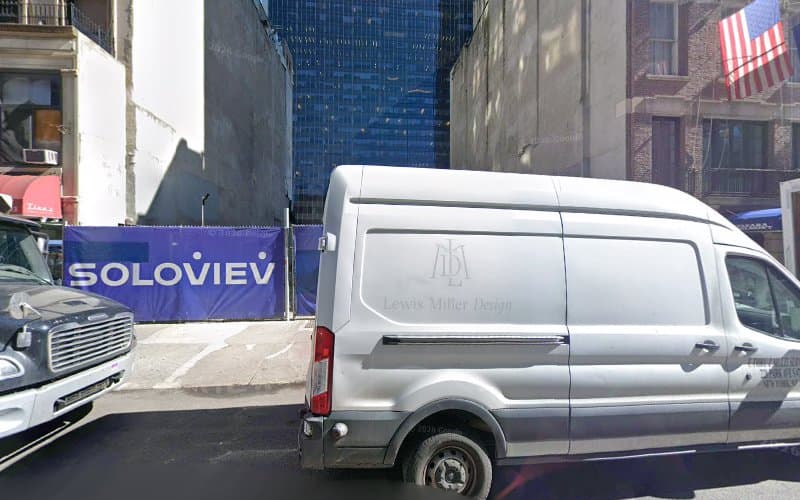
About American Cancer Society
The American Cancer Society is a nationwide voluntary health organization dedicated to eliminating cancer as a major health problem through research funding, patient support services, public education, prevention programs, and advocacy. The office at 19 W 56th Street sits in Midtown Manhattan, a short walk from Fifth Avenue, the Museum of Modern Art, and Central Park South, placing it among the organization's presence in the city where it was originally founded more than a century ago.
The organization operates as a 501(c)(3) nonprofit with a national home office in Atlanta, Georgia, supported by regional and local offices across the United States. Its work is funded largely through individual donations, corporate partnerships, community fundraising events, planned giving, and grants. Because it is a charity rather than a treatment provider, the organization does not deliver medical care directly. Instead, it funds scientists, publishes guidance used by clinicians and patients, and connects people affected by cancer with practical resources.
History and New York Roots
The organization traces its beginnings to 1913, when a group of physicians and business leaders met in New York City and formed the American Society for the Control of Cancer. At the time, cancer was rarely discussed publicly, and the founders' central aim was to break that silence by informing the public about warning signs and the value of early detection. The group renamed itself the American Cancer Society in 1945, following a period of reorganization and expansion that included the creation of a volunteer field army and a significant increase in fundraising capacity.
From that point forward, the organization added a research program that has become one of the largest sources of nonprofit, non-governmental cancer research funding in the United States. Over the decades, a substantial number of investigators who received early career grants from the Society went on to receive Nobel Prizes, a record the organization frequently cites when describing the value of funding scientists at formative stages of their careers.
Research and Scientific Publishing
Research grants are awarded through a peer review process to investigators working in laboratory science, clinical research, epidemiology, health policy, and behavioral studies. Funding priorities have historically included early career support for younger scientists, along with studies addressing disparities in cancer outcomes across different populations.
The organization also conducts its own long term population studies. Its Cancer Prevention Studies have followed large groups of participants over many years, producing data used in landmark findings about smoking, obesity, physical activity, diet, and other risk factors. In addition, the Society produces widely cited publications, including an annual statistical report on cancer incidence, mortality, and survival in the United States, and several peer reviewed journals covering oncology and clinical practice.
Patient and Caregiver Support
Beyond research, much of the organization's day to day work involves helping people navigate a cancer diagnosis. Services offered nationally include:
- A cancer helpline staffed around the clock, every day of the year, reachable at the number listed for this location.
- Free lodging programs for patients who must travel away from home for treatment, offered at Hope Lodge facilities in a number of cities, including New York.
- Transportation assistance programs that connect patients with rides to and from treatment appointments where volunteer drivers are available.
- Peer support and matching programs that put newly diagnosed patients in contact with survivors who have faced similar diagnoses.
- Programs addressing appearance related side effects of treatment, developed in cooperation with the personal care products industry.
- Online resources and searchable databases that help patients locate clinical trials and local support services.
These services are provided at no cost to patients and caregivers. Availability of specific programs can vary by region, so callers are typically directed to what is active in their area.
Prevention, Screening, and Public Education
The Society publishes screening guidelines for several cancers, including breast, colorectal, cervical, prostate, and lung cancer. These recommendations are developed by expert panels that review the available evidence and are periodically revised as new research emerges. Clinicians, insurers, and health systems often reference them alongside guidance from federal bodies.
Tobacco control has been a long running focus. The organization helped popularize the Great American Smokeout, an annual November event encouraging smokers to quit for a day as a step toward quitting permanently, and it has supported smoke free policies, tobacco taxation, and cessation resources for decades. Other education efforts address nutrition, physical activity, sun safety, alcohol use, and vaccination against cancer causing infections.
Advocacy
Public policy work is carried out through a separately incorporated affiliate that lobbies at the federal, state, and local levels. Its priorities have included increased federal funding for cancer research, expanded access to health coverage and screening for uninsured and underinsured people, tobacco control legislation, and protections related to pain management and palliative care. Volunteers, many of them patients, survivors, and caregivers, participate by contacting legislators and testifying at hearings.
Fundraising and Community Involvement
Several long running fundraising programs support the organization's budget. Relay For Life brings communities together for overnight team walking events. Making Strides Against Breast Cancer organizes walks in cities nationwide, including large events in the New York metropolitan area. Coaches vs. Cancer partners with basketball coaches and athletic programs, and Real Men Wear Pink recruits community leaders for breast cancer fundraising campaigns. The organization also operates resale shops in some markets and accepts vehicle donations, memorial gifts, and bequests.
Volunteers play a central role in delivering services and staging events. Opportunities range from driving patients to appointments and staffing Hope Lodge front desks to serving on event committees and participating in advocacy campaigns.
Location and Practical Information
The Midtown Manhattan address at 19 W 56th Street is within walking distance of multiple subway lines serving 57th Street, Fifth Avenue, and Rockefeller Center, and it is served by crosstown and avenue bus routes. Street parking in the area is limited, and commercial garages are the more reliable option for those arriving by car. The entrance is listed as wheelchair accessible.
People seeking information, support services, or referrals are generally encouraged to begin with the toll free helpline at 1-800-227-2345, which operates at all hours and offers assistance in multiple languages, or with the organization's website, which hosts detailed information on cancer types, treatments, side effects, insurance questions, and local resources. Donors, prospective volunteers, and event organizers can also use these channels to reach the appropriate regional staff.
Unique Details About American Cancer Society
Accessibility
- Wheelchair accessible entrance
Contact American Cancer Society
New York, New York 10019
United States of America
County: Allegheny County
Phone: +1 800-227-2345
Website: Visit Website
Customer Reviews
5.0 out of 5 stars
Based on 1 reviews
Review data
5 star reviews
- 100%
4 star reviews
- 0%
3 star reviews
- 0%
2 star reviews
- 0%
1 star reviews
- 0%