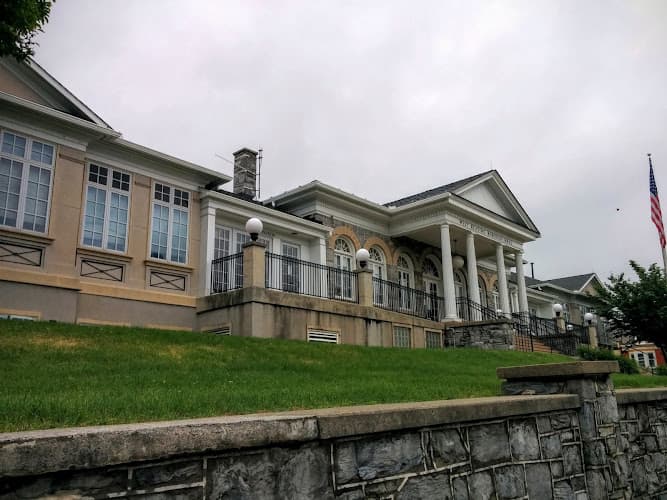
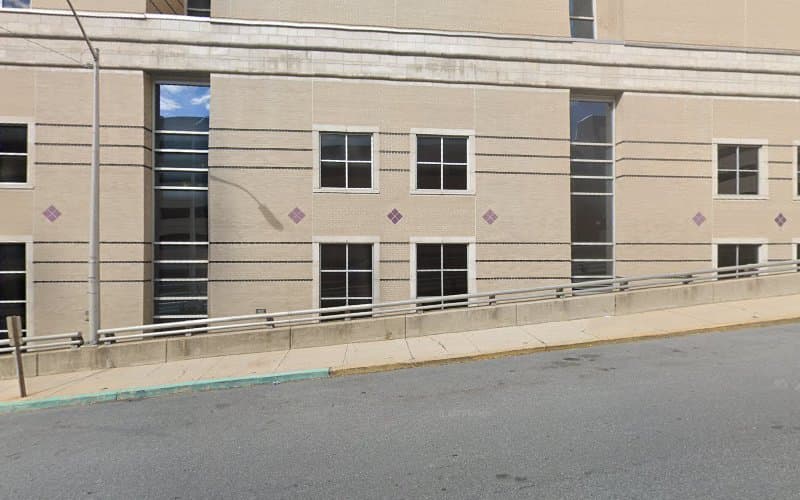
Amity Township is the municipal government serving a largely suburban and semi-rural community in southeastern Berks County, Pennsylvania. The township administration operates from the municipal building at 2004 Weavertown Road in Douglassville, which functions as the central point of contact for residents, property owners, contractors and businesses that need to interact with local government. The main administrative line is 610-689-6000.
Like most Pennsylvania municipalities of its size and classification, Amity Township handles the day to day functions that affect property and daily life at the most local level: land use and zoning, building and construction permitting, road maintenance, public sewer service, police protection, parks and recreation facilities, and the administration of ordinances adopted by the governing body. Residents typically contact the township office for matters that fall outside the jurisdiction of Berks County or the Commonwealth, such as a driveway permit, a zoning question about a proposed addition, or a concern about a township road.
History and Setting
Amity Township is among the oldest municipalities in Berks County, with origins tracing to the early eighteenth century when the area was settled by English, Welsh, Swedish and German families drawn to the fertile land along the Schuylkill River. The township predates the formation of Berks County itself, which was carved out of Philadelphia, Chester and Lancaster counties in 1752. The name reflects the spirit of friendly relations that early settlers hoped to maintain among neighbors of differing national and religious backgrounds, a notable feature of the region during the colonial period.
The township is closely associated with the Daniel Boone Homestead, the birthplace site of the frontiersman, which sits within the township's boundaries and remains one of the better known historical destinations in Berks County. The surrounding school district, Daniel Boone Area School District, takes its name from the same association and serves students from Amity Township and neighboring communities.
Several named villages and crossroads fall within township limits, including Douglassville, Monocacy, Amityville, Weavertown and the area around Yellow House. The Schuylkill River forms part of the township's southern edge, and U.S. Route 422 runs through the township, providing a direct commuting corridor west toward Reading and east toward Pottstown, King of Prussia and the Philadelphia suburbs. That highway access has shaped much of the township's growth over recent decades, bringing residential subdivisions and commercial development to what was historically farmland.
Government Structure
Amity Township operates as a Pennsylvania township of the second class, a form of government used by the majority of rural and suburban townships across the Commonwealth. Under this structure, an elected Board of Supervisors serves as the legislative and policymaking body. Supervisors adopt the annual budget, set the real estate tax rate, pass ordinances and resolutions, approve land development plans and oversee township departments. Board meetings are held on a published schedule at the municipal building and are open to the public, with time generally reserved for public comment.
Supporting the board are appointed bodies that handle specialized work. These commonly include a Planning Commission, which reviews subdivision and land development applications and makes recommendations on zoning matters, and a Zoning Hearing Board, which hears requests for variances and special exceptions and considers appeals of zoning officer determinations. Additional boards and committees may address parks and recreation, environmental advisory matters and other areas of community interest.
Services and Departments
The township office coordinates a range of functions that residents and businesses rely on throughout the year. Typical areas of service include:
- Administration, including records, correspondence, right to know requests and general inquiries from the public
- Zoning and code enforcement, covering permitted uses, setbacks, accessory structures, signage, property maintenance and ordinance compliance
- Building permits and inspections handled under the Pennsylvania Uniform Construction Code, including permits for new construction, additions, decks, pools, sheds, fences and mechanical work
- Public works, which maintains township owned roads, handles snow and ice removal, performs stormwater and drainage work, manages street signage and oversees roadside maintenance
- Sewer and utility billing for properties connected to the public sanitary sewer system, along with questions about connections, laterals and account transfers at settlement
- Police services, with a municipal police department providing patrol, response, investigation and community outreach within township boundaries
- Parks and recreation, including township park facilities, athletic fields, trails and open space, with seasonal programming and facility reservations where available
- Planning and land development review for subdivision proposals, commercial projects and residential developments
- Emergency services coordination with volunteer fire and ambulance organizations serving the area
Property tax collection in Pennsylvania townships is typically divided among the county, the school district and the municipality, with an elected tax collector or a designated agency handling municipal real estate taxes. Residents with questions about which entity to pay, or about earned income tax administered through a regional collection agency, can generally be directed to the correct office by township staff.
Open Space and Recreation
One distinguishing feature of Amity Township is its preserved natural land. Monocacy Hill, a wooded ridge within the township, is maintained as a public recreation and conservation area with hiking trails and scenic overlooks of the surrounding Schuylkill Valley. The site is a regional draw for hikers, birdwatchers and school groups, and it reflects a longstanding local interest in balancing development pressure along the Route 422 corridor with the protection of woodland, farmland and stream corridors. Township parks provide additional space for youth sports, playgrounds and community gatherings.
Practical Information for Residents and Contractors
Those planning a construction or renovation project are generally advised to contact the township before work begins, since many improvements that homeowners assume are exempt do require a permit or at minimum a zoning review. Staff can clarify application requirements, fee schedules, required drawings and inspection sequencing. Contractors working in the township may also need to confirm registration requirements and road occupancy permits for work within a township right of way.
New residents often contact the office to set up sewer billing, learn trash and recycling arrangements, ask about voting locations, obtain information on local ordinances covering burning, noise or animals, and find the schedule for public meetings. Prospective buyers and real estate professionals frequently request zoning verification letters, sewer certifications and use and occupancy information as part of a property transfer.
For questions that are time sensitive or specific to an individual property, calling the main office at 610-689-6000 during posted business hours remains the most direct approach.