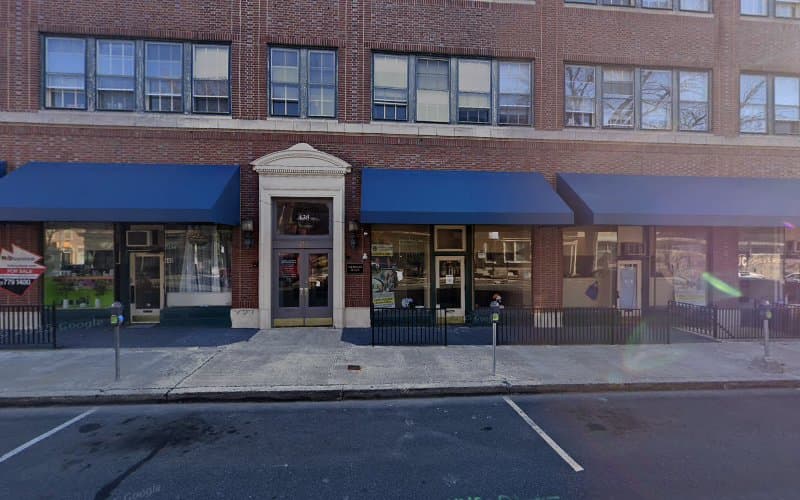
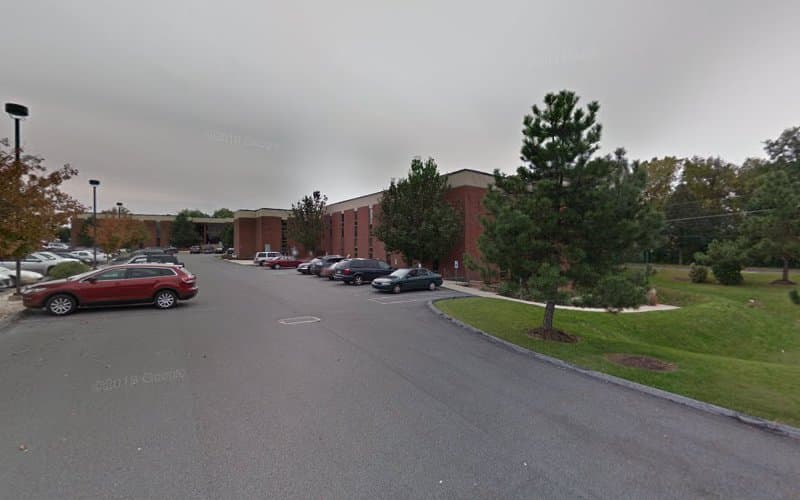
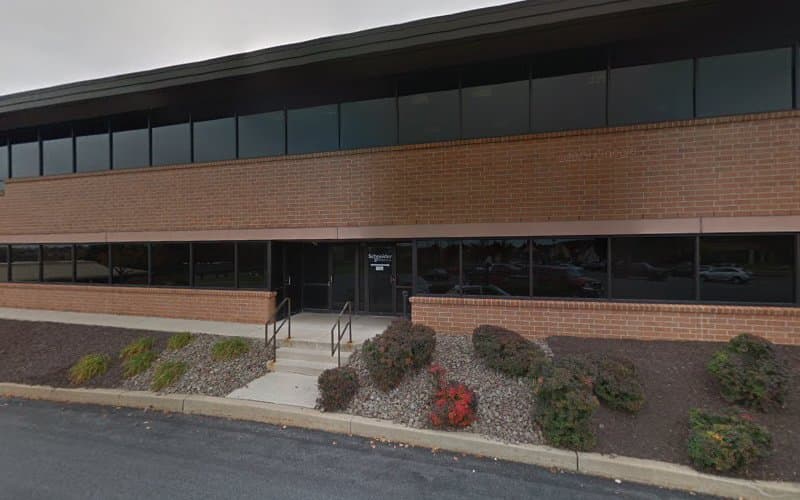
Berks County Orthopedics is an orthopedic clinic located at 438 Walnut Street, Suite 2, in downtown Reading, Pennsylvania. The practice treats conditions affecting the musculoskeletal system: bones, joints, muscles, tendons, ligaments and nerves, and combines physician evaluation with on-site rehabilitation services. Patients can reach the office by phone at +1 610-375-4002.
The Walnut Street location places the clinic within the central business district of Reading, close to the Penn Street corridor and a short drive from Route 422, Route 61 and the West Shore Bypass. That position makes the practice reachable for residents of Reading proper as well as surrounding Berks County communities including Wyomissing, West Reading, Muhlenberg Township, Exeter Township, Shillington, Mount Penn and Laureldale. For patients who rely on public transit, the downtown setting is served by BARTA bus routes that converge in the city center.
Services and Areas of Focus
Orthopedic practices of this type generally handle a broad range of injuries and chronic conditions, and Berks County Orthopedics works across both categories. Common reasons patients seek care at a clinic like this one include:
- Back and neck pain, including disc-related problems, sciatica and postural strain
- Shoulder conditions such as rotator cuff injuries, impingement and frozen shoulder
- Knee and hip problems, including arthritis, ligament sprains, meniscus injuries and post-surgical recovery
- Hand, wrist and elbow complaints, including carpal tunnel syndrome and tendonitis
- Foot and ankle injuries, from sprains to plantar fasciitis
- Work-related injuries and repetitive strain conditions
- Motor vehicle accident injuries, including whiplash and soft tissue trauma
- Sports injuries in both adult and younger athletes
Evaluation typically begins with a clinical examination and a review of the patient's history, activity level and symptom pattern. From there, a treatment plan may include conservative measures such as physical therapy, activity modification, bracing or injections, with surgical referral reserved for cases that do not respond to non-operative care. Patients who come in after an accident or a work injury often need documentation for insurance carriers, employers or attorneys, and orthopedic clinics in this category are accustomed to producing that paperwork alongside clinical care.
Physical Therapy and Rehabilitation
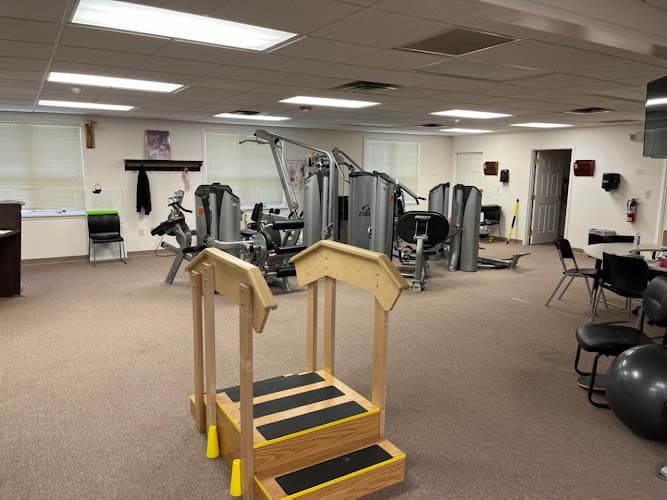
A significant part of the work at Berks County Orthopedics centers on physical therapy and rehabilitation delivered in the same building where patients are evaluated. Having assessment and therapy under one roof shortens the gap between diagnosis and the start of treatment, and it allows the therapy staff and the treating physician to compare notes as a case progresses.
Therapy programs are generally built around measurable goals: restoring range of motion, rebuilding strength around an injured joint, improving balance and gait, and reducing pain enough that a patient can return to work, sport or ordinary daily tasks. Sessions may incorporate therapeutic exercise, manual therapy, stretching protocols, modalities such as heat, cold or electrical stimulation, and home exercise instruction so that progress continues between visits. Follow-up reassessment is standard, with the plan adjusted as the patient improves.
Rehabilitation after orthopedic surgery is another routine function of a clinic with an in-house therapy department. Patients recovering from joint replacement, arthroscopic procedures, fracture fixation or spinal surgery often require weeks or months of structured therapy, and continuity with the same team through that period is a practical advantage.
Language Access and the Reading Community
Reading has one of the largest Spanish-speaking populations of any city in Pennsylvania, and Berks County Orthopedics serves patients in both English and Spanish. For medical care in particular, the ability to describe symptoms precisely and understand discharge instructions in one's own language affects outcomes, not just comfort. Patients who prefer to discuss their care in Spanish can ask about this when scheduling.
Visiting the Clinic
Appointments are recommended rather than walk-in, so calling ahead is the most reliable way to be seen. When scheduling, it is useful to have the following on hand:
- Insurance card and photo identification
- A referral from a primary care physician, if your insurance plan requires one
- Any imaging already performed, such as X-rays, MRI or CT scans, or the name of the facility that holds them
- A current list of medications, including dosages
- Claim or case numbers for work injuries or motor vehicle accident claims
Wearing or bringing clothing that allows easy access to the affected area is helpful, particularly for knee, shoulder and back evaluations. Patients attending physical therapy sessions generally find athletic shoes and loose clothing more practical than work attire.
Accessibility and Facilities
The clinic is set up for patients with mobility limitations, which is relevant given that many orthopedic patients arrive using crutches, walkers, canes or wheelchairs. The building has a wheelchair accessible entrance, a wheelchair accessible restroom and wheelchair accessible parking. A restroom is available on site for patients and those accompanying them.
Because therapy appointments can run longer than a standard physician visit, patients may wish to arrange transportation accordingly. Family members and caregivers are commonly present for evaluations, particularly where home exercise programs need to be understood by someone assisting the patient.
Insurance and Payment
Coverage for orthopedic evaluation and physical therapy varies considerably between plans, and limits on the number of covered therapy visits per year are common. Workers' compensation and auto insurance medical benefits frequently cover injury-related care under separate rules. Patients are encouraged to call the office to confirm which plans are accepted and whether a referral or pre-authorization is needed before the first visit, since resolving these questions in advance avoids delays at check-in.
What Distinguishes the Practice
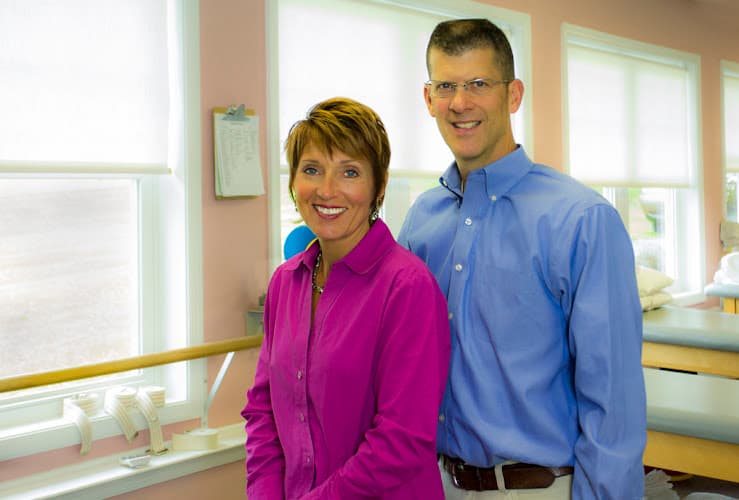
The clinic operates at a scale where staff and patients come to know one another over the course of a treatment plan. In rehabilitation, where a patient may return two or three times a week for an extended stretch, that familiarity has practical value: therapists notice changes in movement quality, patients are more candid about pain and setbacks, and adjustments happen sooner. The combination of orthopedic evaluation, hands-on therapy and bilingual service in a single downtown Reading location is the practical shape of what Berks County Orthopedics does.
For scheduling, questions about a condition or information on what to bring to a first visit, the office can be reached at +1 610-375-4002 during business hours.