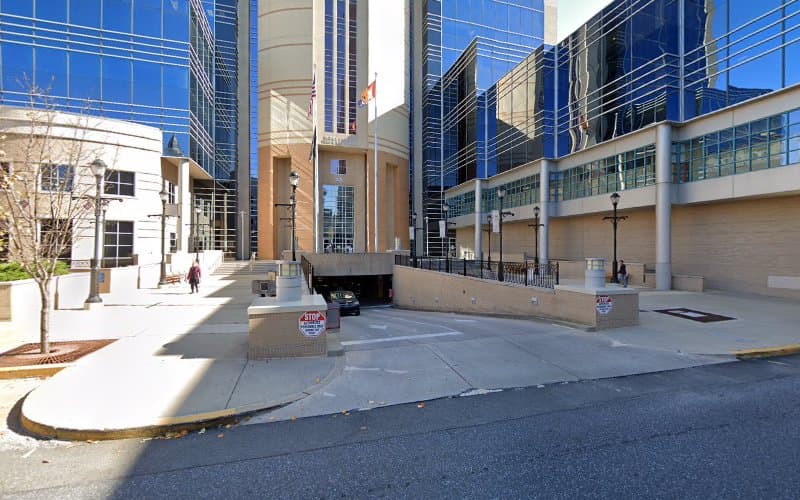
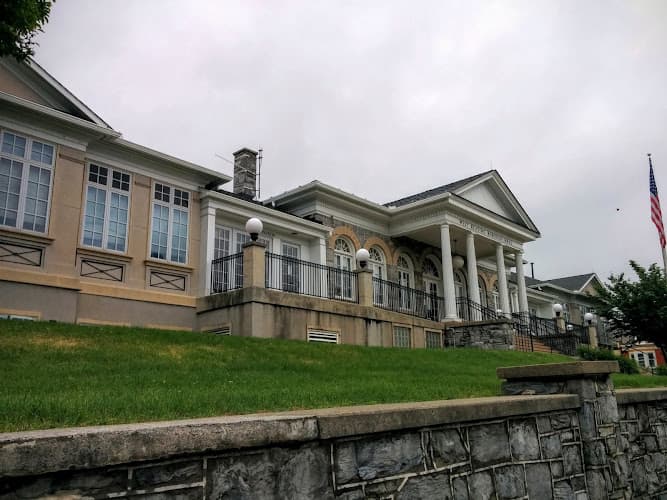
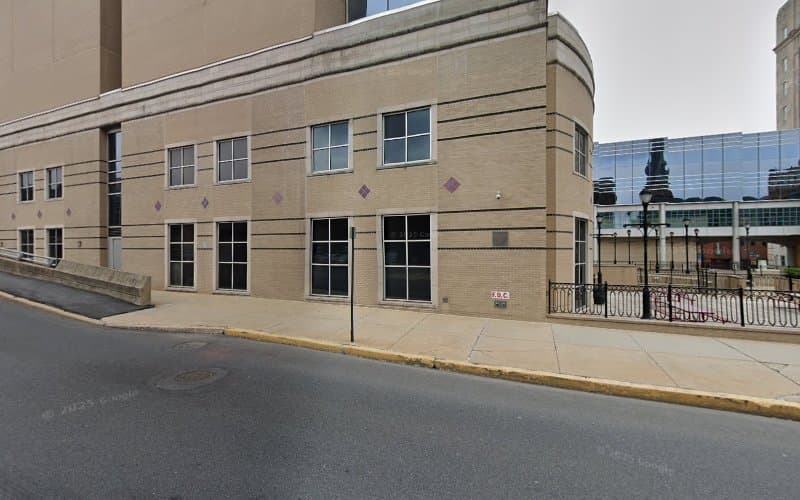
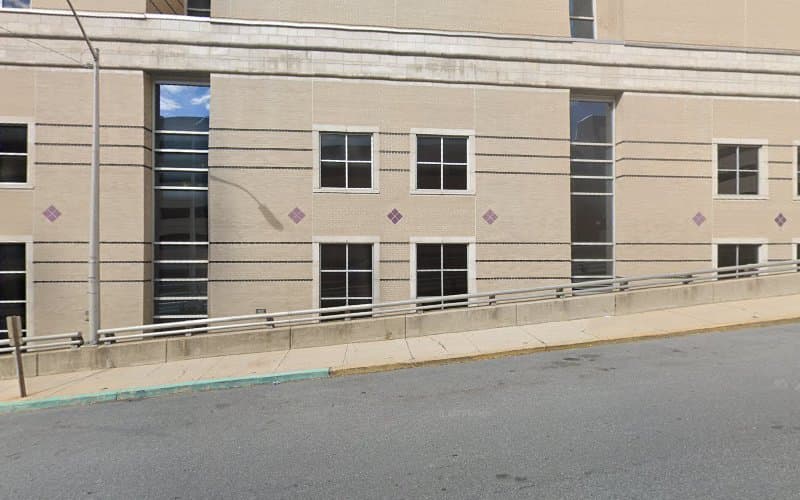
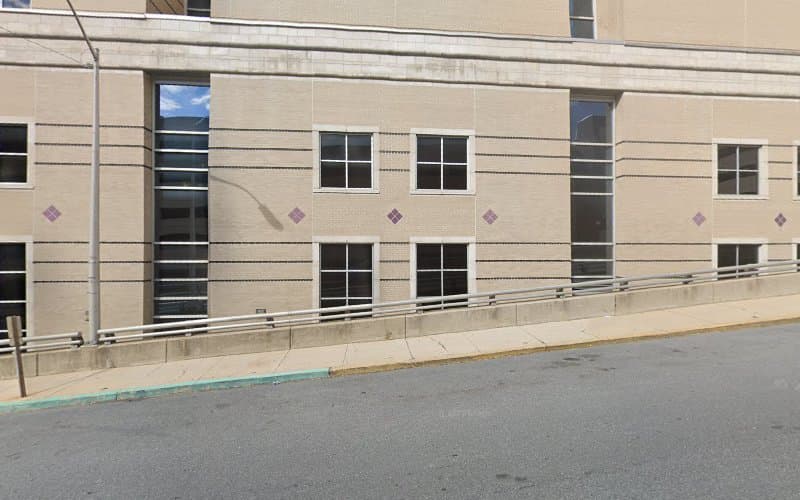
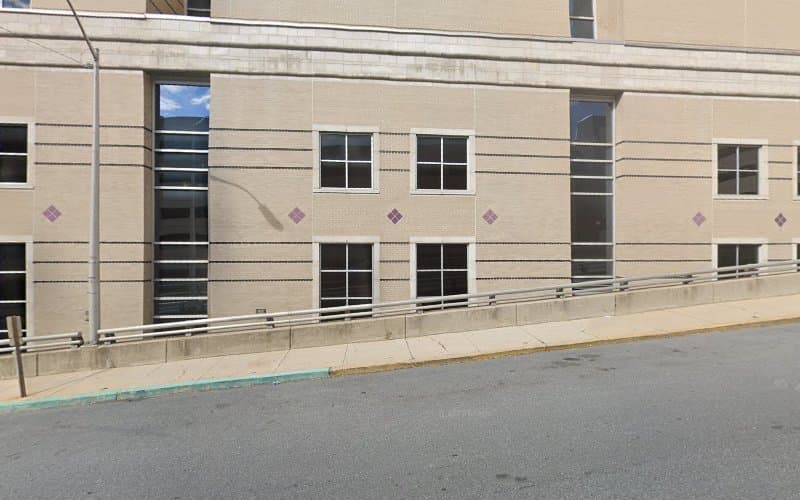
The Berks County Planning Commission serves as the official planning and development agency for Berks County, Pennsylvania. Located at 633 Court Street in Reading, the commission operates as a division of county government responsible for guiding land use decisions, coordinating regional development initiatives, and providing technical assistance to the 73 municipalities that comprise Berks County. As a public agency, the commission plays a central role in shaping how the county grows and develops while working to balance economic interests with environmental stewardship and community needs.
Historical Context and Establishment
County planning commissions in Pennsylvania trace their authority to the Pennsylvania Municipalities Planning Code, which established the framework for local and regional land use planning across the commonwealth. The Berks County Planning Commission has operated for decades as the primary coordinating body for planning activities throughout the county. Its location on Court Street places it within the Berks County Services Center complex in downtown Reading, positioning the agency near other county government offices and making it accessible to residents, developers, and municipal officials who require planning services.
The commission's work has evolved considerably since its founding, expanding from basic land use mapping to encompass comprehensive planning, environmental review, transportation coordination, and community development assistance. This evolution reflects broader changes in planning practice and the increasing complexity of development challenges facing suburban and rural communities in southeastern Pennsylvania.
Core Functions and Responsibilities
The Berks County Planning Commission carries out several distinct functions mandated by state law and county ordinance. These responsibilities fall into categories that address both immediate development review needs and long-range planning objectives.
- Subdivision and land development review for projects that span multiple municipalities or have regional significance
- Preparation and maintenance of the county comprehensive plan, which establishes policies for growth, conservation, and infrastructure investment
- Technical assistance to municipal planning commissions and governing bodies on zoning matters, ordinance drafting, and development review procedures
- Administration of various state and federal grant programs related to community development, housing, and environmental protection
- Coordination of multi-municipal planning efforts and joint planning initiatives
- Collection and analysis of demographic, economic, and land use data for the county
- Review of proposed developments for consistency with county planning policies
The commission does not have direct regulatory authority over most land use decisions, which remain the province of individual municipalities under Pennsylvania's system of local government. However, the commission's review comments carry significant weight in development proceedings, and its technical expertise makes it an influential voice in planning discussions throughout the county.
Comprehensive Planning
One of the commission's primary responsibilities involves preparing and periodically updating the Berks County Comprehensive Plan. This document establishes the official vision for how the county should develop over a multi-decade timeframe, addressing topics such as housing, economic development, transportation, natural resource protection, agricultural preservation, and community facilities. The comprehensive plan serves as a policy guide for county investment decisions and provides a framework that municipalities can reference when making local land use choices.
The comprehensive planning process typically involves extensive public engagement, including community meetings, surveys, and stakeholder consultations. Commission staff analyze trends in population, employment, housing construction, and land consumption to project future needs and identify areas where intervention or policy changes may be warranted. The resulting plan must be adopted by the county commissioners and is subject to periodic review and amendment as conditions change.
Municipal Assistance Programs
Given that Pennsylvania law vests primary land use authority in municipalities rather than counties, much of the commission's work involves supporting local governments that may lack the staff or technical capacity to handle complex planning issues independently. This assistance takes various forms depending on municipal needs and available resources.
Commission staff may help municipalities draft or update zoning ordinances, subdivision regulations, and official maps. They provide training for local planning commission members and zoning hearing board members, many of whom serve as volunteers with limited planning background. When municipalities undertake comprehensive plan updates or special studies, commission staff can provide data, mapping services, and technical guidance to support these efforts.
The commission also facilitates multi-municipal planning initiatives, which allow neighboring communities to coordinate their planning efforts and address issues that cross jurisdictional boundaries. These collaborative arrangements have become increasingly important as development patterns and transportation networks extend beyond individual municipal limits.
Development Review Process
Developers proposing subdivisions or land development projects in Berks County municipalities typically must submit their plans to the county planning commission for review in addition to obtaining local approvals. The commission examines these submissions for consistency with county planning policies and provides written comments to the applicant and the host municipality. While these comments are advisory rather than binding, they often identify issues that municipalities must address before granting final approval.
The review process allows the commission to flag potential concerns related to traffic impacts, stormwater management, environmental resources, and compatibility with surrounding land uses. Commission staff bring expertise in areas that smaller municipalities may not possess, providing an additional layer of professional review that can help identify problems before projects are built.
Geographic Information Systems and Data Services
Modern planning practice relies heavily on geographic information systems and data analysis, and the commission maintains mapping and database resources that support both internal planning functions and external users. These resources include parcel mapping, aerial photography, land use inventories, and various thematic maps showing features such as floodplains, agricultural soils, and historic resources.
The commission makes much of this information available to municipalities, developers, and the general public, reducing duplication of effort and ensuring that planning decisions are based on consistent, accurate data. Staff can produce custom maps and analyses for specific projects or planning studies as needed.
Accessibility and Public Access
The commission's offices at 633 Court Street feature wheelchair accessible entrances and parking facilities, ensuring that individuals with mobility limitations can access services and participate in public meetings. As a government agency, the commission conducts its business in accordance with open meetings requirements, and many of its documents and data products are available to the public upon request.
Residents, developers, municipal officials, and other interested parties can contact the commission by telephone at 610-478-6300 during regular business hours. Staff can answer questions about planning procedures, provide information about pending projects or planning initiatives, and direct inquiries to appropriate personnel for specialized assistance.
Regional Context
Berks County occupies a strategic position in southeastern Pennsylvania, situated between the Philadelphia metropolitan area and the more rural regions of central Pennsylvania. This location has shaped the county's development patterns and planning challenges, as growth pressure from the east has transformed formerly agricultural areas while other parts of the county retain their rural character. The planning commission must balance these competing dynamics, working to accommodate growth in appropriate locations while protecting farmland, natural resources, and community character in areas where intensive development would be inappropriate.
The commission coordinates with neighboring county planning agencies, regional transportation authorities, and state agencies on matters that extend beyond county boundaries. This regional perspective helps ensure that Berks County's planning efforts align with broader initiatives and that the county's interests are represented in multi-county planning processes.