Bethany Counseling Ministry is a family counseling practice located in Reading, Pennsylvania, serving individuals, couples, and families in Berks County and the surrounding region. Operating from its location on Washington Street in downtown Reading, the practice provides therapeutic services within a faith-informed framework, as suggested by its ministry designation. The practice represents one of several counseling resources available to residents of the Reading metropolitan area, which has a population of approximately 95,000 in the city proper and over 400,000 in the greater county region.
Services and Therapeutic Approach
As a family counseling practice, Bethany Counseling Ministry offers therapeutic services that address the relational and emotional challenges faced by family units and their individual members. Family counseling as a discipline encompasses a broad range of interventions designed to improve communication, resolve conflicts, strengthen relationships, and help families navigate transitions and crises. Common issues addressed in family counseling settings include parent-child relationship difficulties, sibling conflicts, blended family adjustments, divorce and separation impacts, grief and loss within the family system, and behavioral concerns affecting family dynamics.
The ministry designation in the practice's name indicates an integration of spiritual or faith-based elements into the counseling approach. Faith-based counseling practices typically incorporate religious principles, scriptural guidance, and spiritual perspectives alongside traditional therapeutic techniques. This approach appeals to clients who wish to address their psychological and relational concerns within a framework that acknowledges and incorporates their religious beliefs. Such practices often draw from both established psychological methodologies and theological traditions to create a holistic approach to healing and growth.
Family counselors working in this capacity may employ various therapeutic modalities depending on client needs and presenting concerns. Common approaches used in family therapy include structural family therapy, which examines and restructures family hierarchies and boundaries; strategic family therapy, which focuses on specific problem-solving interventions; narrative therapy, which helps families reframe their stories and experiences; and solution-focused brief therapy, which emphasizes building on existing strengths and identifying practical solutions. Faith-integrated practices may also incorporate prayer, scriptural study, and spiritual direction as complementary elements to these established therapeutic techniques.
Location and Accessibility
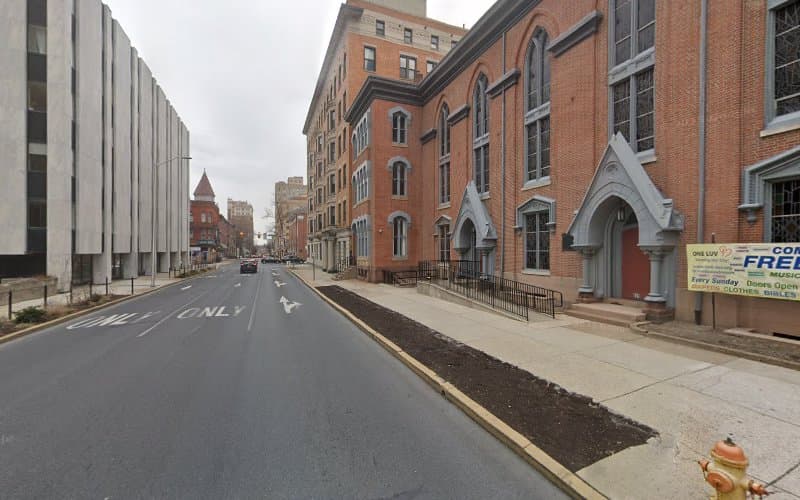
The practice operates from 611 Washington Street in Reading, Pennsylvania, situated in the 19601 zip code area. Washington Street runs through the central portion of Reading, providing relatively convenient access from various parts of the city and surrounding communities. The downtown Reading location places the practice within reach of public transportation options and major roadways that connect to neighboring municipalities throughout Berks County.
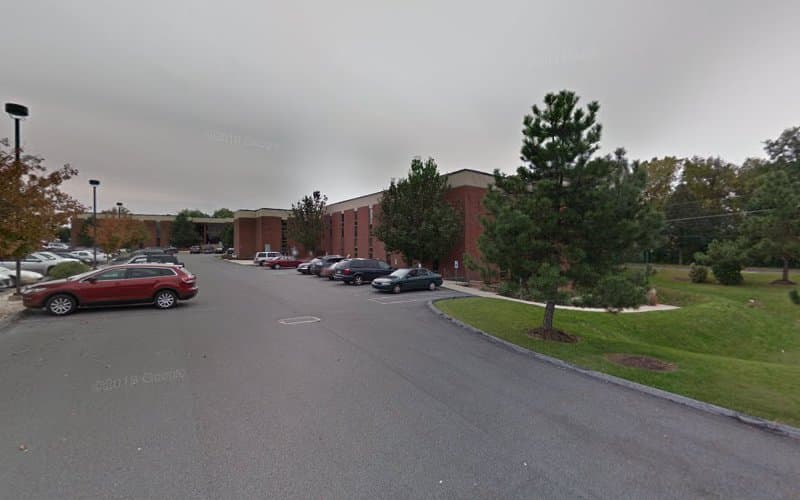
The facility includes wheelchair accessible parking, making the practice accessible to clients with mobility limitations. This accessibility feature reflects attention to the practical needs of clients who may face physical challenges in addition to the emotional or relational concerns that bring them to counseling. The presence of restroom facilities on site provides basic amenities for clients during their visits, which is particularly relevant given that counseling sessions typically last between 45 minutes and an hour or longer.
Bethany Counseling Ministry operates on an appointment-based system, meaning that prospective clients should contact the practice in advance to schedule their sessions rather than expecting walk-in availability. This appointment structure is standard practice in the counseling field, as it allows therapists to dedicate focused, uninterrupted time to each client and ensures appropriate preparation for each session. Prospective clients can reach the practice by telephone at 610-375-9212 to inquire about services, discuss their needs, and arrange initial consultations or ongoing appointments.
The Role of Family Counseling in Community Mental Health
Family counseling services play a significant role in community mental health infrastructure. Research consistently demonstrates that family relationships have profound impacts on individual psychological wellbeing, and conversely, that individual mental health challenges affect entire family systems. Family counseling addresses these interconnected dynamics by treating the family as a unit while also attending to the needs of individual members within that context.
The presence of family counseling resources in communities like Reading provides residents with options for addressing relational difficulties before they escalate into more severe problems. Early intervention in family conflicts can prevent the development of entrenched patterns of dysfunction that become increasingly difficult to address over time. Additionally, family counseling can provide support during predictable life transitions such as marriage, the birth of children, adolescent development, launching adult children, retirement, and aging, helping families navigate these changes with greater resilience and cohesion.
For families dealing with specific challenges such as a member's mental health diagnosis, substance abuse issues, chronic illness, or trauma, family counseling provides a context for education, support, and skill-building that benefits all members of the system. Family members learn to understand the challenges their loved one faces, develop appropriate boundaries and coping strategies, and find ways to support recovery while maintaining their own wellbeing.
Faith-Based Counseling in the Therapeutic Landscape
Faith-based counseling practices like Bethany Counseling Ministry occupy a particular niche within the broader mental health landscape. For individuals and families whose religious faith represents a central component of their identity and worldview, the integration of spiritual perspectives into counseling can enhance the relevance and effectiveness of therapeutic interventions. Clients in faith-based settings often report feeling more fully understood when their spiritual concerns are acknowledged and addressed alongside their psychological and relational issues.
The integration of faith and counseling has a long history in American mental health care. Many early hospitals and social service agencies were founded by religious organizations, and pastoral counseling has existed as a recognized discipline for decades. Contemporary faith-based counseling practices vary in their approaches, with some emphasizing traditional pastoral care and others integrating faith perspectives with licensed professional counseling techniques. Prospective clients interested in understanding the specific approach used at any faith-based practice should inquire directly about the counselor's training, credentials, and therapeutic methodology.
Practical Considerations for Prospective Clients
Individuals and families considering family counseling services should be prepared to engage in a process that typically unfolds over multiple sessions. Initial sessions generally focus on assessment and relationship-building, as the counselor works to understand the family's history, current concerns, and goals for therapy. Subsequent sessions address specific issues through various therapeutic interventions tailored to the family's unique circumstances and needs.
The effectiveness of family counseling depends significantly on the participation and engagement of family members involved in the process. While not all family members may be present for every session, the willingness of key individuals to participate honestly and work toward change is essential for positive outcomes. Counselors typically work with families to determine which members should attend which sessions based on the issues being addressed and the goals of treatment.
Prospective clients should feel comfortable asking questions about the counselor's qualifications, approach, fees, and policies before committing to services. Understanding what to expect from the counseling process helps clients make informed decisions and engage more fully in their therapeutic work. Most counseling practices, including those with faith-based orientations, welcome such inquiries as part of the process of establishing a good therapeutic fit between counselor and client.