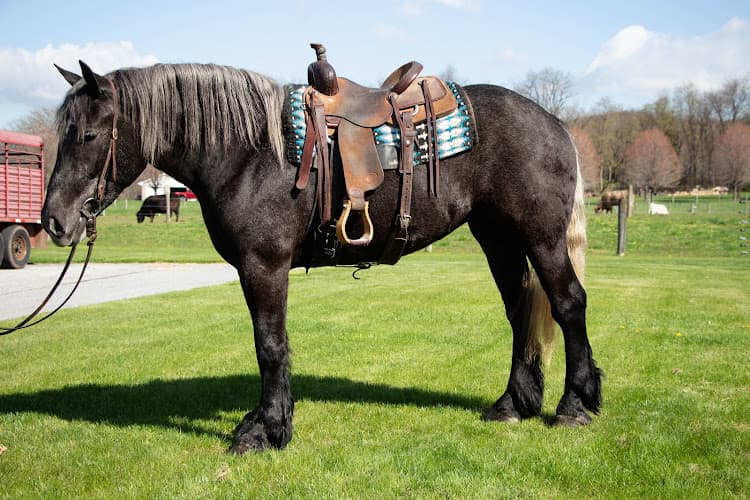
Brubacker Horse Farm
Brubacker Horse Farm in Reinholds, PA, offers an authentic farm experience focused on equestrian activities and services.
About Brubacker Horse Farm
Overview
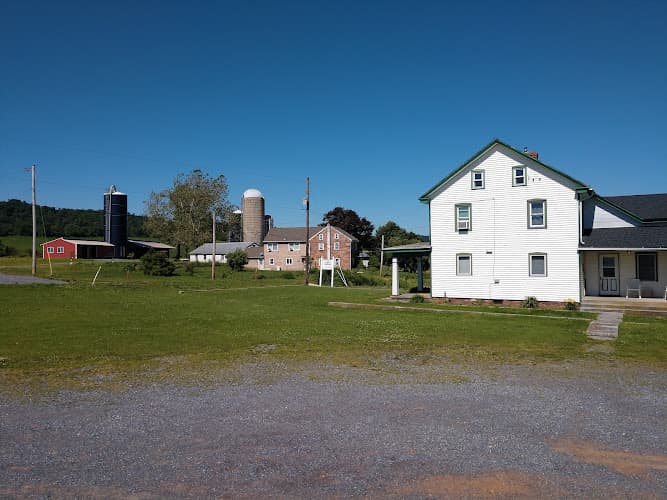
Brubacker Horse Farm operates as an agricultural establishment in Reinholds, Pennsylvania, a small borough situated in Lancaster County within the heart of Pennsylvania Dutch Country. The farm is located at 15 Resh Road, positioning it within a region historically significant for its equine traditions and agricultural heritage. Lancaster County has long maintained a reputation as one of the most productive farming areas in the eastern United States, and horse farms remain an integral part of the local agricultural landscape.
Geographic and Cultural Context
Reinholds sits in the northern portion of Lancaster County, an area characterized by rolling farmland, small family-operated agricultural businesses, and a strong connection to traditional farming practices. The borough itself has a population of only a few hundred residents, maintaining the rural character that defines much of this region. The surrounding area includes parts of West Cocalico Township, where agricultural operations have been passed down through generations of families.
Lancaster County's association with horses extends back centuries, predating the automobile era when horses served as the primary means of transportation and agricultural power. Today, the county remains home to a significant population of working horses, particularly among the Amish and Mennonite communities that continue to rely on horse-drawn equipment for farming and transportation. This cultural context creates a sustained demand for horse-related services, breeding operations, and equine care facilities throughout the region.
The name Brubacker reflects the Germanic heritage common to this area of Pennsylvania. Variations of this surname, including Brubaker, have been present in Lancaster County since the early colonial period, when German-speaking immigrants established farming communities throughout the region. Many agricultural operations in the area continue to be operated by families whose ancestors settled here in the eighteenth century.
Horse Farming in Lancaster County
Horse farms in this region of Pennsylvania typically engage in various activities depending on their specific focus and the needs of the local community. Common operations include breeding programs, horse training, boarding services, sales of horses and related equipment, and the raising of horses for specific purposes such as draft work, riding, or driving.
The presence of large Amish and Old Order Mennonite populations in Lancaster County creates particular demand for certain types of horses. Draft horses, including breeds such as Belgians, Percherons, and various crossbreeds, remain essential for farming operations within these communities. Standardbred horses are also common, used both for buggy transportation and in some cases for harness racing. Horse farms in the area may specialize in one type of horse or maintain diverse operations serving multiple markets.
Beyond the plain community market, Lancaster County horse farms also serve the broader equestrian community. The region attracts riders interested in various disciplines, from pleasure riding to competitive events. Farms may offer services ranging from basic boarding and pasture rental to more comprehensive training programs and riding instruction.
Agricultural Operations and Practices
Horse farming requires substantial land resources and infrastructure. Typical facilities include barns for housing horses, paddocks and pastures for exercise and grazing, storage buildings for hay and feed, and often indoor or outdoor arenas for training and riding. The management of a horse farm involves daily care routines including feeding, watering, grooming, and health monitoring, as well as longer-term considerations such as pasture management, veterinary care, and facility maintenance.
Farms in Lancaster County benefit from the region's agricultural infrastructure, including feed suppliers, veterinary services, farriers, and equipment dealers. The concentration of horse-related businesses in the area creates a support network that enables farms to access necessary services and supplies without traveling great distances.
The climate of southeastern Pennsylvania presents both advantages and challenges for horse farming. The region experiences four distinct seasons, with cold winters requiring adequate shelter and increased feed for horses, while summers can bring heat and humidity that necessitate careful attention to hydration and cooling. The growing season allows for local hay production, though many farms supplement locally grown hay with feed from other sources.
Location and Accessibility
Resh Road, where Brubacker Horse Farm is situated, runs through a rural area typical of northern Lancaster County. The road provides access to the farm while maintaining the agricultural character of the surrounding landscape. The location places the farm within reasonable distance of several small towns and communities, including Reinholds itself, as well as larger population centers in Lancaster County.
The farm's position in Lancaster County provides access to major transportation routes, including US Route 222 and the Pennsylvania Turnpike, which connect the area to larger cities including Reading to the north and Lancaster to the south. This accessibility can be relevant for farms engaged in horse sales or services that draw clients from a wider geographic area.
The Role of Family Farms in the Region
Agricultural operations in Lancaster County have historically been characterized by family ownership and operation. This pattern continues today, with many farms passing from one generation to the next. Family farms often develop specialized knowledge and practices over time, building expertise in particular types of agriculture or animal husbandry.
The continuation of family farming traditions in this region has been supported by various factors, including the presence of communities that value agricultural lifestyles, relatively strong markets for locally produced agricultural products, and land use policies that have helped preserve farmland from development pressures. While the agricultural sector has faced challenges in recent decades, Lancaster County has maintained a higher concentration of active farms than many other areas in the northeastern United States.
Visiting and Contacting Agricultural Operations
Those interested in visiting horse farms or other agricultural operations in Lancaster County should be aware that many such businesses operate by appointment or have specific visiting hours. Agricultural work follows seasonal and daily rhythms that may not align with typical retail business hours. Calling ahead or making arrangements in advance is generally advisable when seeking to visit a working farm.
The agricultural community in this region values direct relationships between farmers and their customers or clients. Personal visits and conversations often serve as the primary means of conducting business, particularly for transactions involving livestock or specialized services. This approach reflects both practical considerations and the cultural values of the farming communities in the area.
Contact Information for Brubacker Horse Farm
Customer Reviews
5.0 out of 5 stars
Based on 3 reviews
Review data
5 star reviews
- 100%
4 star reviews
- 0%
3 star reviews
- 0%
2 star reviews
- 0%
1 star reviews
- 0%
Working Hours / Hours of Operation
Location Map
Similar Farms Near Reinholds, PA
BerksConnect: everything local in Berks County, PA.
8,700+ local businesses with AI-summarized reviews, plus local guides, jobs, and what's happening around the county.