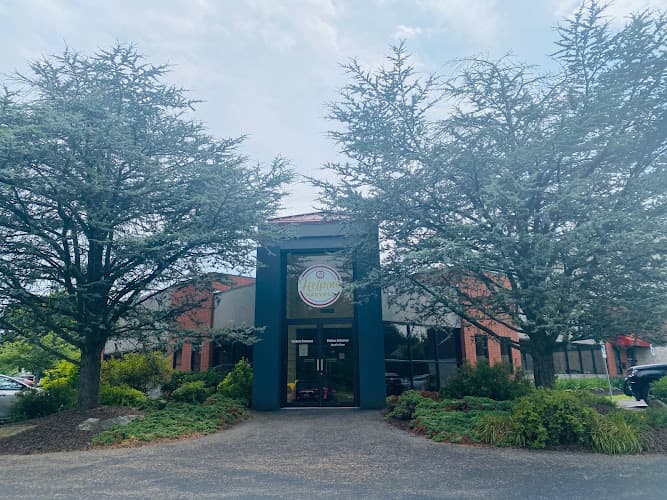
The Building & Construction Trades Council of Reading & Vicinity is a labor organization based at 1022 James Drive in Leesport, Pennsylvania, a borough in Berks County located just north of the city of Reading. The council can be reached by telephone at (610) 777-3100. As its name indicates, the organization serves Reading and the surrounding communities, functioning as an umbrella body that brings together local unions representing workers in the building and construction trades.
Building and construction trades councils occupy a particular place in the structure of organized labor in the United States. Rather than representing individual workers directly in the way a local union does, a trades council coordinates the activities of multiple affiliated locals within a defined geographic area. Member locals retain their own officers, bylaws, collective bargaining agreements and apprenticeship programs, while the council provides a forum where those separate organizations can address matters of shared concern: jobsite jurisdiction, area standards, legislative advocacy, workforce development and relationships with contractors, developers and public officials.
Structure and Affiliation
Councils of this kind are generally chartered through North America's Building Trades Unions (NABTU), the national federation of construction unions, and they typically operate in coordination with a state-level body, which in Pennsylvania is the Pennsylvania State Building and Construction Trades Council. The local council structure creates a chain of representation that runs from individual craft locals up through regional, state and national organizations, allowing issues that arise on a single job site in Berks County to be connected to broader policy discussions in Harrisburg and Washington.
Affiliated membership in a regional building trades council usually spans the full range of construction crafts. Depending on the composition of the local labor market, that can include:
- Carpenters and millwrights
- Electrical workers
- Plumbers, pipefitters, steamfitters and sprinkler fitters
- Sheet metal workers
- Ironworkers and structural steel erectors
- Bricklayers, masons and cement finishers
- Laborers
- Operating engineers who run cranes, excavators and other heavy equipment
- Painters, glaziers, drywall finishers and allied trades
- Roofers, insulators and heat and frost workers
- Elevator constructors
- Boilermakers
Each craft brings its own training standards and work rules to the table. The council's role is to keep those groups working in alignment rather than in competition, particularly on large projects where several trades share a site and their schedules are interdependent.
Function in the Regional Construction Market
Berks County has a mixed industrial, commercial, institutional and residential construction base. Reading itself has a long manufacturing history, and the surrounding area includes warehouse and distribution facilities, hospitals and medical campuses, schools and universities, utility infrastructure, municipal projects and energy-related work. Construction in these sectors frequently involves multiple trades working in sequence over months or years, which is precisely the environment in which a trades council is most active.
Typical areas of council involvement include:
- Serving as a point of contact for developers, general contractors and public agencies seeking to staff a project with union labor across several crafts at once
- Supporting negotiation and administration of project labor agreements, which set uniform terms and dispute resolution procedures for the duration of a specific job
- Resolving jurisdictional questions between crafts so that work assignments do not stall a project schedule
- Advocating on prevailing wage, responsible contractor standards, apprenticeship utilization and safety policy at the municipal, county and state level
- Promoting registered apprenticeship as a pathway into the skilled trades for area residents
- Coordinating community involvement, charitable work and public outreach on behalf of affiliated locals
Apprenticeship and Workforce Development
One of the most visible contributions of building trades organizations is the joint apprenticeship system. Each affiliated craft typically operates a joint apprenticeship and training committee funded through collective bargaining, in which employers and the union share responsibility for instruction. Apprentices earn wages while they learn, combining paid on-the-job training with classroom hours over a program that commonly runs three to five years depending on the trade. Graduates reach journeyworker status with a recognized credential and, in most cases, no educational debt.
A regional council often acts as a clearinghouse for people who know they want a career in construction but are not sure which craft suits them. Because the council has visibility across all its affiliates, it can point prospective applicants toward the locals that are currently recruiting and explain the differences in physical demands, work settings, seasonal patterns and earning trajectories among the trades. This function also matters to school counselors, career and technical education programs, veterans organizations and workforce agencies in the Reading area that field questions about alternatives to a four-year degree.
Location and Service Area
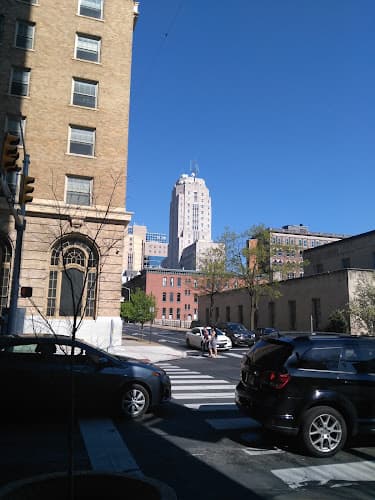
The James Drive address in Leesport places the council in the corridor along the Schuylkill River north of Reading, convenient to Route 61 and within reach of the interstate connections that serve Berks County. The "and Vicinity" portion of the organization's name reflects a service footprint that extends beyond Reading city limits into the surrounding townships and boroughs, following the practical boundaries of the regional construction labor market rather than strict municipal lines.
Practical Information
Because a trades council is a membership and coordinating organization rather than a retail business, visitors are generally advised to call ahead at (610) 777-3100 before stopping by. Staffing at organizations of this type is often lean, with officers who may also work in the field or divide time between the office, job sites and meetings, and regular business is frequently conducted around a monthly delegate meeting schedule.
Callers typically fall into a few categories. Workers and prospective apprentices usually need to be directed to the appropriate craft local, since applications, testing and intake are handled at the local level rather than by the council. Contractors and project owners may inquire about signatory agreements, manpower availability or project labor agreements. Public officials, journalists and community groups may contact the council regarding construction policy, workforce initiatives or participation in local events. In each case, the council serves primarily as a connector, routing inquiries to the affiliate or resource best equipped to handle them.
For anyone researching the union construction sector in Berks County, whether as a potential tradesperson, an employer, a student or a civic organization, the Building & Construction Trades Council of Reading & Vicinity represents a central reference point for understanding how the region's skilled construction workforce is organized and trained.