Caleb Heckman Studio
Caleb Heckman Studio is a dedicated music school offering a range of music education and lessons.
About Caleb Heckman Studio
Overview
Caleb Heckman Studio is a music school located at 266 East Orange Street in Lancaster, Pennsylvania. The studio operates as an independent music education facility in the heart of Lancaster County, serving students who seek instruction in musical performance and technique. As a named studio, the establishment reflects the increasingly common model of individual music educators establishing dedicated teaching spaces rather than operating solely through home-based instruction or larger institutional settings.
Location and Setting
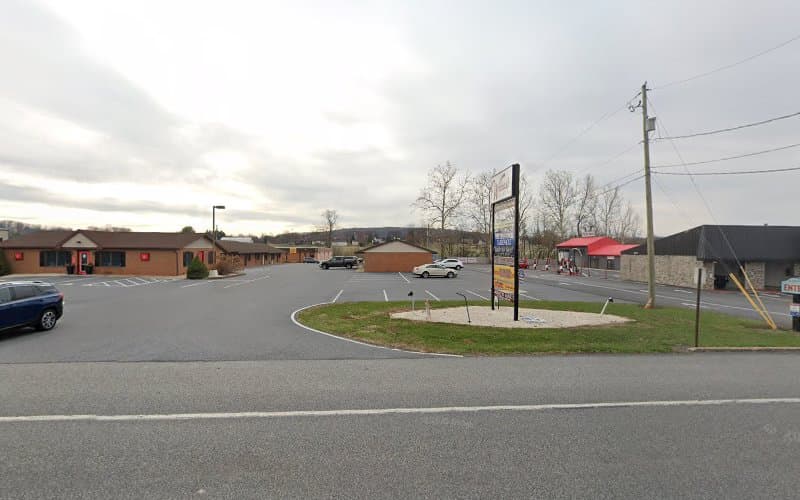
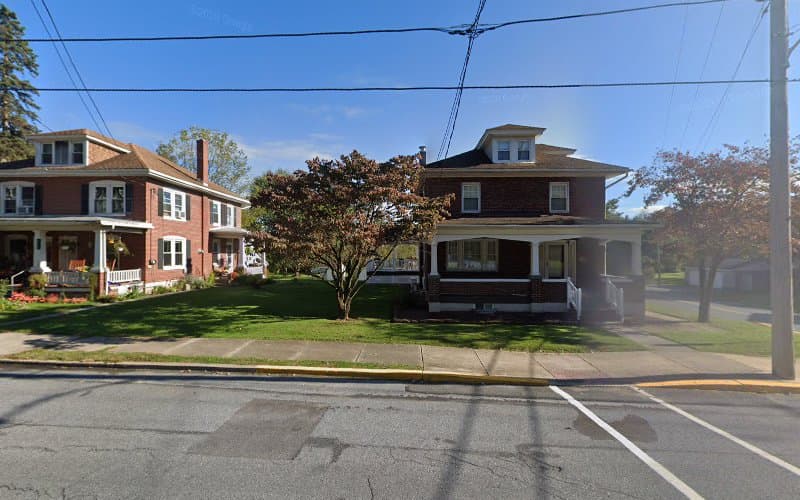
The studio's East Orange Street address places it within Lancaster's urban core, an area characterized by a mix of residential and commercial properties. Lancaster, the county seat of Lancaster County, has a population of approximately 60,000 residents within city limits and serves as the economic and cultural center for a metropolitan area of over half a million people. The city has maintained a notable arts and music scene, with various venues, schools, and independent instructors contributing to the local cultural landscape.
East Orange Street runs through sections of Lancaster that have seen ongoing revitalization efforts, with many buildings housing small businesses, professional offices, and creative enterprises. This positioning provides the studio with accessibility to students from throughout the Lancaster area, including the surrounding townships and boroughs that make up the greater metropolitan region.
The Independent Music Studio Model
Music studios operated by individual instructors represent a significant segment of music education in the United States. Unlike larger music schools or conservatories that employ multiple teachers across various instruments, single-instructor studios typically offer more personalized attention and a consistent pedagogical approach. Students who enroll in such settings often develop long-term relationships with their instructor, sometimes studying for years or even decades with the same teacher.
This model of music education has historical roots extending back centuries, when aspiring musicians would seek out master teachers for private instruction. While institutional music education has grown substantially since the establishment of conservatories in the 19th century, the private studio remains a cornerstone of musical training, particularly for students seeking individualized attention or specialized instruction that may not be available through larger programs.
Music Education in Lancaster County
Lancaster County has a rich musical heritage influenced by its diverse cultural history. The region's significant Mennonite and Amish populations have contributed strong choral and hymn-singing traditions, while the broader community has supported various forms of musical expression ranging from classical to contemporary genres. The county is home to numerous churches with active music programs, community bands and orchestras, and a variety of venues that host live performances.
The local music education landscape includes public school music programs, private schools with music curricula, community music schools, and independent instructors like those operating private studios. This ecosystem provides Lancaster County residents with multiple pathways for musical development, from casual hobbyists to serious students preparing for professional careers or conservatory admission.
Private Music Instruction
Private music lessons typically follow a structured format developed over centuries of pedagogical practice. Students generally meet with their instructor on a weekly basis for lessons lasting between thirty minutes and an hour, depending on the student's age, level, and goals. Between lessons, students are expected to practice independently, working on exercises, etudes, and repertoire assigned by their teacher.
The curriculum in private music study varies based on the instrument, the student's objectives, and the teacher's methodology. Common elements include technical exercises designed to build physical facility on the instrument, music theory instruction to develop understanding of harmonic and rhythmic structures, sight-reading practice to improve the ability to perform unfamiliar music, and repertoire study encompassing works from various historical periods and styles.
For students with professional aspirations, private instruction often includes preparation for auditions, competitions, and standardized assessments. Many private teachers guide their students through graded examination systems offered by organizations such as the Royal Conservatory of Music or the Associated Board of the Royal Schools of Music, which provide benchmarks for measuring progress and achievement.
Choosing a Music Instructor
Prospective music students and their families typically consider several factors when selecting a private instructor. The teacher's own musical background, including their training, performance experience, and teaching credentials, often figures prominently in this decision. Many instructors hold degrees in music performance or music education from accredited institutions, while others may have developed their expertise through professional performance careers or alternative educational pathways.
Teaching philosophy and methodology also play important roles in the selection process. Some instructors emphasize classical technique and traditional repertoire, while others may incorporate contemporary music, improvisation, or technology into their teaching. The match between a teacher's approach and a student's learning style and goals can significantly impact the success of the educational relationship.
Practical considerations such as location, scheduling flexibility, and lesson fees also influence the decision. Studios located in accessible areas with adequate parking or public transportation access may be more convenient for families managing busy schedules. Many private instructors offer lessons during after-school hours and weekends to accommodate students' academic commitments.
The Role of Dedicated Teaching Spaces
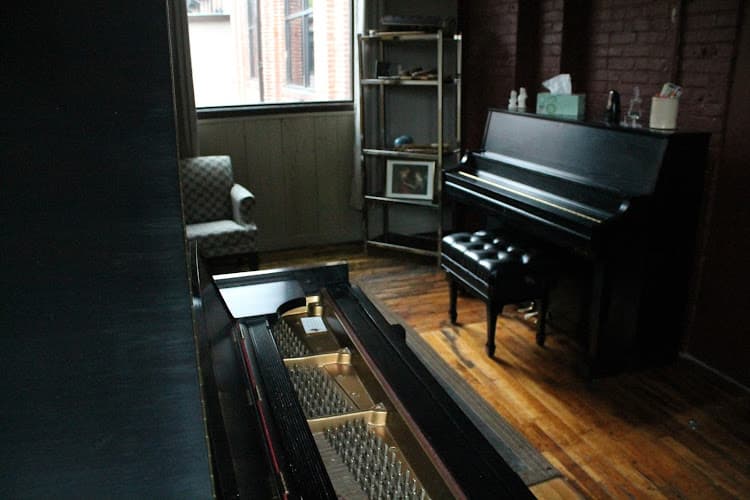
Music instructors who establish dedicated studio spaces, as opposed to teaching from their homes or traveling to students' residences, often do so to create an environment optimized for musical learning. A purpose-designed teaching studio may include appropriate acoustics, quality instruments, music stands and seating arranged for instruction, and reference materials such as sheet music libraries and recordings.
The separation of teaching space from domestic space can also benefit both instructor and students by establishing clear professional boundaries and minimizing distractions. For students, arriving at a dedicated studio may help establish the mental focus needed for productive practice and learning.
Contact Information
Caleb Heckman Studio can be reached by telephone at 717-725-1299. Prospective students interested in learning more about the studio's offerings, instructor background, lesson availability, and fee structure are encouraged to make direct contact to discuss their musical goals and determine whether the studio would be an appropriate fit for their needs.
The studio's location at 266 East Orange Street in Lancaster places it within reasonable driving distance of communities throughout Lancaster County, including surrounding areas such as Lititz, Ephrata, Manheim, and Columbia. The 17602 zip code corresponds to central Lancaster, providing a relatively central location for students traveling from various parts of the county.
Contact Information for Caleb Heckman Studio
Customer Reviews
No reviews yet.
Working Hours / Hours of Operation
Location Map
Similar Music Lessons Near Lancaster, PA
BerksConnect: everything local in Berks County, PA.
8,700+ local businesses with AI-summarized reviews, plus local guides, jobs, and what's happening around the county.