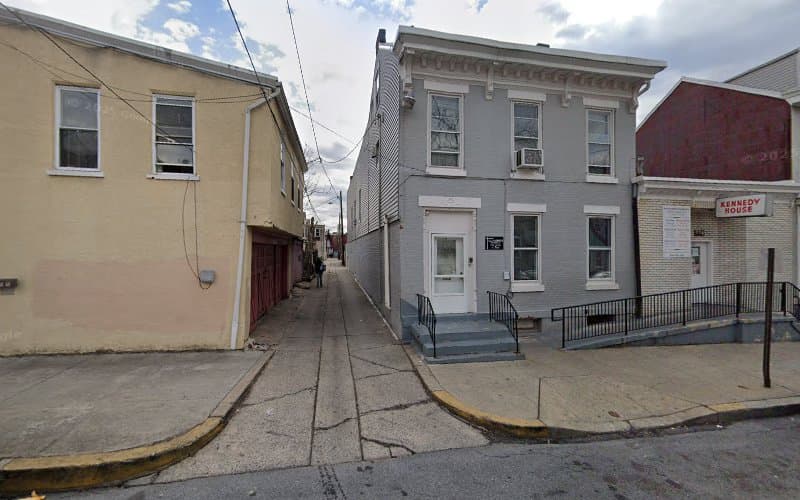
Centre Park Historic District is a non-profit neighborhood organization based at 707 N 5th St in Reading, Pennsylvania. It represents and serves one of the city's largest concentrations of late nineteenth and early twentieth century residential architecture, a district of brick and brownstone rowhomes, twins and detached mansions laid out along the numbered and named streets north of downtown Reading. The organization works on historic preservation, neighborhood improvement, property owner education and public programming, and it functions as a point of contact for residents, prospective buyers, researchers and visitors who want to understand the area and its buildings.
The district takes its name from Centre Park, the green space at the center of the neighborhood. Like many urban historic districts, Centre Park was shaped by a period of rapid industrial growth, when Reading's manufacturers, merchants and professionals built substantial homes within walking distance of the business district. The architectural record of that era remains largely intact, with Queen Anne, Italianate, Second Empire, Colonial Revival and Romanesque Revival influences visible along the streetscapes. The neighborhood association formed to protect that record and to support the people who live with it day to day.
Preservation Work and Technical Guidance
Much of what the organization does is practical rather than ceremonial. Owners of older homes face questions that do not come up in newer construction: how to repair rather than replace original windows, what mortar is appropriate for soft historic brick, how to source trim and hardware that matches an existing profile, and how proposed changes relate to historic district review. Centre Park Historic District serves as a clearinghouse for that kind of information, connecting homeowners with advice, documentation about the neighborhood's building stock and referrals to tradespeople familiar with older construction.
The organization also advocates for the district as a whole. That includes attention to streetscape conditions, lighting, signage, vacant property concerns and the long-term stewardship of buildings that have changed hands many times over their lifespan. Because the district contains both owner-occupied and rental housing, the association's work touches a mixed population of longtime residents, newer arrivals and investors restoring properties for resale or lease.
The Architectural Artifacts Bank
One of the organization's better known undertakings is its architectural artifacts collection, an inventory of salvaged building materials and fittings recovered from properties in and around Reading. Items of the kind that pass through a salvage operation like this typically include interior and exterior doors, door and window hardware, mantels, newel posts and balusters, corbels, shutters, moldings, lighting fixtures, plumbing fixtures, decorative ironwork, stained and leaded glass, flooring and slate. Materials are gathered when buildings are demolished or heavily altered, which keeps usable period components out of landfills and back into circulation.
For someone restoring a house in the district or anywhere else with comparable building stock, the value is straightforward. Reproduction parts rarely match the dimensions, proportions or material quality of original work, and matching what already exists in a house is often simpler with a salvaged piece from the same era and the same region. People working on projects are generally best served by calling ahead at +1 610-375-7860 to confirm access and to describe what they are looking for, since inventory in a salvage collection changes as material comes in and goes out.
Centre Park and Public Space
The park at the center of the neighborhood has been the focus of sustained improvement work. It includes a fountain, planted beds and paved walking paths, and it functions as shared outdoor space for residents as well as a setting for gatherings. Volunteer labor and donated plantings have played a role in its upkeep, and the park often appears as a backdrop for the organization's seasonal activities. Its condition is one of the clearer indicators of the association's ongoing presence in the neighborhood.
Programming Through the Year
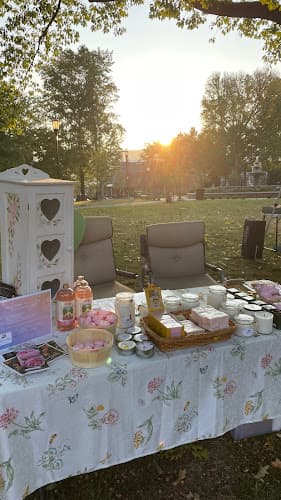
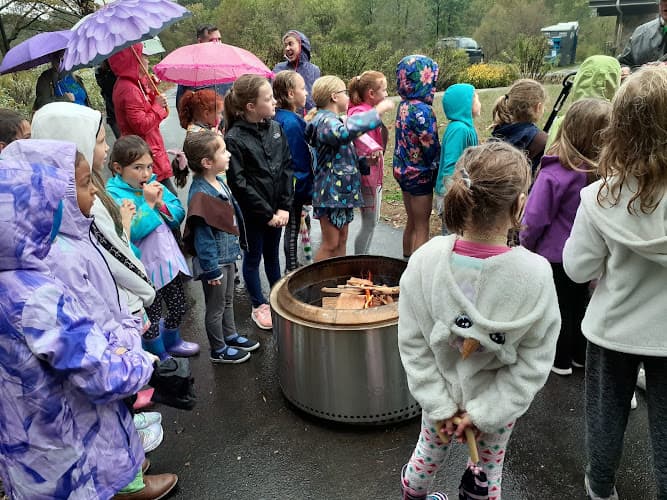
Centre Park Historic District organizes public events across the calendar. Programming of the kind the organization has run includes house tours that open private interiors to ticket holders, seasonal tours timed to the holidays, garden and porch tours that focus on exterior spaces and plantings, outdoor markets and neighborhood social gatherings. These events serve several purposes at once: they raise funds for the organization's preservation work, they introduce people from elsewhere in Berks County and beyond to the district's architecture, and they give residents reason to meet one another.
House tours in particular tend to draw people interested in restoration, interior design and local history, since they provide access to woodwork, staircases, tile, plaster detail and stained glass that are otherwise visible only to the people who live there. Event schedules vary by season, and the phone number listed is the most direct way to ask about upcoming dates, ticketing and volunteer opportunities.
The Neighborhood Today
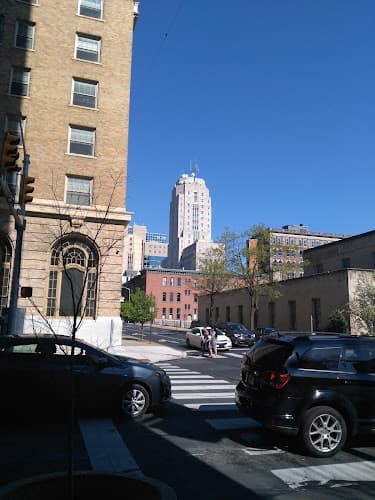
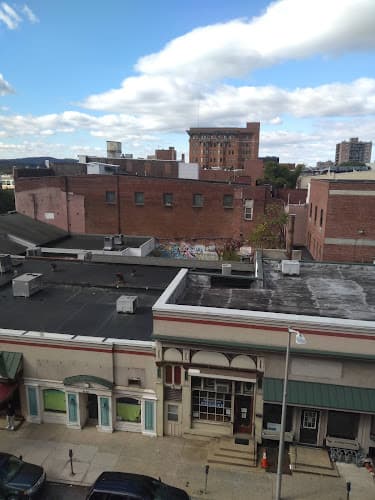
Centre Park is a residential district within the City of Reading, close to downtown, municipal services and the city's cultural institutions. Housing stock ranges from modest rowhomes to large single-family residences with original detailing intact, and purchase prices in the city compare favorably with comparable square footage and craftsmanship in surrounding municipalities. That combination has drawn buyers who are specifically interested in older houses and willing to take on restoration projects. The population of the district is mixed in age, background and tenure, and the association's events and volunteer work are among the mechanisms that bring those groups together.
Visiting and Contact
- Address: 707 N 5th St, Reading, PA 19601
- Phone: +1 610-375-7860
- Organization type: non-profit neighborhood and preservation organization
- Wheelchair accessible entrance
- Wheelchair accessible parking lot
Anyone considering a visit, whether to look through salvaged architectural material, ask about membership and volunteering, inquire about an upcoming tour or research a property in the district, should call first to confirm hours and availability. As a volunteer-supported organization, staffing is scheduled rather than continuous, and a phone call ahead of time makes a trip more productive.