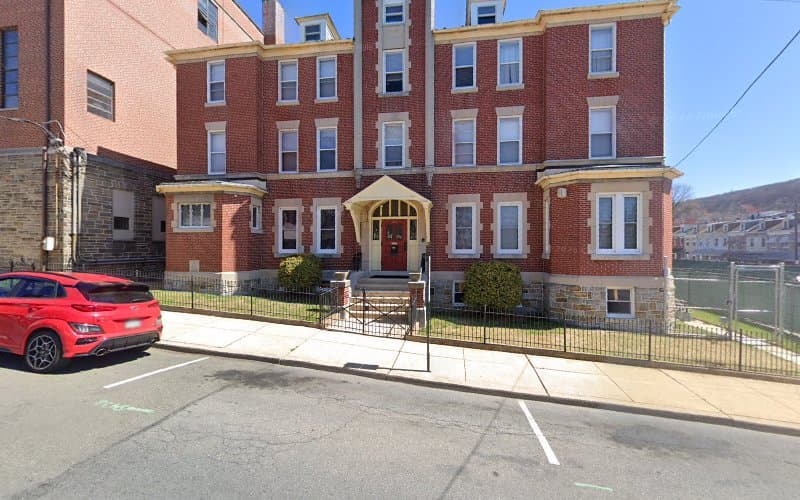
Clare of Assisi House is a transitional residential program located at 325 S 12th Street in Reading, Pennsylvania. The organization provides housing and supportive services for women leaving incarceration, offering a structured living environment during the period when former residents of county and state correctional facilities are working to re-establish themselves in the community. The house operates as a nonprofit ministry and takes its name from Saint Clare of Assisi, the 13th century founder of the Poor Clares and a figure associated with the Franciscan tradition of service to people living on the margins.
The organization can be reached by phone at +1 484-869-5483, and additional information about its mission, application process and volunteer opportunities is published on its website at clareofassisihouse.org.
What a Halfway House Does
Transitional or halfway housing occupies a specific place in the reentry landscape. For many people leaving prison or jail, the practical obstacles are immediate and concrete: no fixed address, no identification documents, no transportation, no employment history that a landlord or employer will accept, and often no savings. Parole and probation conditions frequently require an approved residence before release can even be scheduled, which means that a lack of housing can extend confinement or push someone toward an unstable arrangement that increases the likelihood of a return to custody.
A residential reentry program addresses that gap by providing a stable address along with the structure and accountability that help a resident build routines. Clare of Assisi House serves women specifically, a population whose reentry needs often differ from those of men. Women returning from incarceration are more likely to be primary caregivers, more likely to have experienced trauma or domestic violence before incarceration, and more likely to face reunification questions involving children and extended family. Programs built around those realities tend to emphasize counseling, family relationships, health care access and long-term stability rather than short-term supervision alone.
Program Approach
The house is organized around the idea that reentry involves more than a bed and a curfew. Residents typically work on several fronts at once: securing employment or enrolling in education and job training, restoring identification and legal documents, addressing physical and behavioral health needs, meeting parole or probation obligations, managing finances and, where appropriate, rebuilding relationships with children, parents and other family members. Staff and volunteers support that work through case management, goal setting, mentorship and connections to outside agencies in Berks County.
The residential setting itself is part of the method. Living in a shared house means sharing meals, chores and common space with other women who are navigating similar circumstances. That peer environment can provide a form of support that formal services do not replicate, and it also asks residents to practice the everyday habits of cooperative living that independent housing will later require. The program's Franciscan roots shape the tone of the house, with an emphasis on dignity, hospitality and treating each resident as a whole person rather than as a case file or a criminal record.
Spiritual support is available as part of the program's heritage, consistent with the Catholic and Franciscan tradition from which the organization grew. Reentry programs of this type generally make such support available rather than mandatory, and prospective residents are encouraged to ask directly about expectations when they inquire.
Location and Service Area
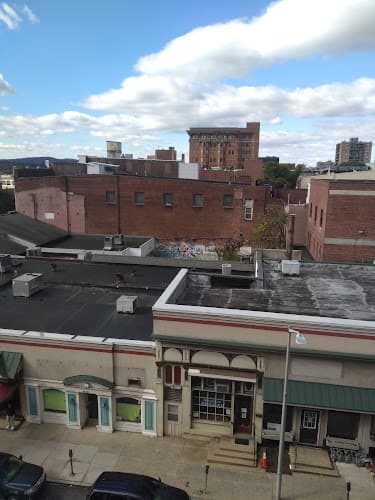
The South 12th Street address places the house in a residential section of Reading, the seat of Berks County and the fourth largest city in Pennsylvania. The location is within the city grid, which gives residents access to Berks Area Regional Transportation Authority bus service, medical providers, social service agencies, courts, parole offices and employers in the downtown and surrounding industrial corridors. Reading's compact layout is an advantage for residents who do not yet have a vehicle or a valid driver's license, since many required appointments are reachable on foot or by a single bus connection.
The program primarily serves women returning to Berks County and the surrounding region, including those released from the Berks County Jail System and from state correctional institutions who plan to settle in the area. Referrals commonly arrive through correctional counselors, parole agents, attorneys, chaplains, social workers and other community organizations, though women and their families also make direct inquiries.
Practical Information for Applicants and Families
Prospective residents and the people advocating for them generally want to know the same things: who is eligible, how long a stay lasts, what it costs and what the house rules are. Because criteria and capacity change, the most reliable path is to contact the organization directly by phone or through the website. Questions worth raising in a first conversation include current bed availability, whether the program accepts women with particular offense histories or supervision requirements, expectations around employment and program participation, policies on visitors and children, curfew and pass procedures, and any program fee or income based contribution.
Timing matters in reentry planning. Applications submitted well before a scheduled release date give staff time to review records, coordinate with parole authorities and arrange an interview, and they give the applicant a better chance of having an approved home plan in place when release is authorized.
Community Involvement and Support
Small nonprofit reentry houses typically depend on a mix of donations, grants, faith community partnerships and volunteer labor. Clare of Assisi House engages supporters in several ways, including financial contributions, donations of household goods and supplies, and volunteer service such as mentoring, tutoring, transportation assistance, meal preparation and help with maintenance or seasonal projects. Local congregations, service clubs, businesses and individual donors in the Reading area have a role in sustaining that kind of operation, and the organization's website is the best source for current needs and giving options.
Employers willing to consider applicants with criminal records are a particularly valuable resource for programs like this one, since steady income is one of the strongest predictors of successful reentry. Landlords open to renting to program graduates fill a similar role at the next stage of the transition.
Why the Work Matters Locally
Research on reentry consistently identifies housing instability as one of the leading risk factors for return to incarceration. Every woman who moves from a residential program into stable independent housing and steady employment represents a reduced burden on the county jail system and the courts, and, frequently, a family that stays together. In a city the size of Reading, a house of this kind works at a human scale, serving a limited number of residents at a time while drawing on a wide network of partners across Berks County to help each of them build a durable foundation.