Commercial Food Photography is a professional photography service based in Pennsylvania, specializing in the creation of visual content for the food and beverage industry. The business operates under the direction of Jean Charite, a photographer whose work focuses on capturing culinary subjects for commercial applications. The service caters to restaurants, food brands, culinary publications, and other businesses requiring professional imagery of food products and dining experiences.
Services and Specialization
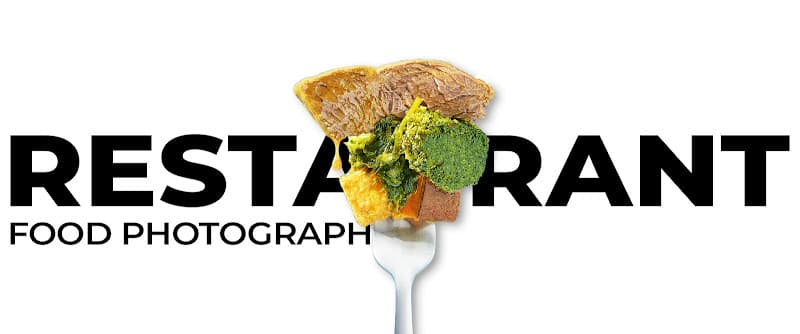
As the business name indicates, Commercial Food Photography concentrates specifically on the food photography sector rather than offering general photography services. Food photography represents a distinct discipline within commercial photography, requiring specialized knowledge of lighting techniques, food styling principles, and the technical challenges unique to photographing perishable subjects. The field demands an understanding of how different foods respond to heat, light exposure, and the passage of time during extended photo sessions.
Professional food photography typically encompasses several categories of work. Menu photography involves creating images for restaurant menus, both print and digital formats. Packaging photography produces images destined for product labels, boxes, and containers seen on retail shelves. Editorial food photography serves magazines, cookbooks, and online publications. Advertising photography creates images for marketing campaigns across various media platforms. Each category presents its own requirements regarding style, composition, and technical specifications.
The business offers online appointment scheduling, allowing clients to arrange consultations and book sessions through digital channels. This scheduling flexibility accommodates the often demanding timelines of commercial food projects, where product launches, menu changes, and publication deadlines frequently drive the production calendar.
The Food Photography Process
Commercial food photography involves considerably more complexity than casual observers might assume. A typical professional food shoot requires coordination between multiple specialists, including the photographer, food stylists, prop stylists, and art directors. The photographer must understand not only camera operation and lighting design but also the behavior of food under studio conditions.
Food styling represents a critical component of professional food photography. Stylists employ numerous techniques to make food appear appetizing under sustained lighting conditions. Ice cream shots may use substitutes that resist melting. Beverages require careful attention to condensation, bubbles, and color accuracy. Hot foods must be photographed quickly before steam dissipates and surfaces lose their fresh appearance. These practical considerations influence every aspect of planning and execution.
Lighting in food photography typically emphasizes texture, color accuracy, and appetite appeal. Photographers working in this field develop expertise in creating lighting setups that enhance the visual qualities of different food types. Glossy sauces require different treatment than matte-surfaced baked goods. Translucent items like beverages or gelatin desserts demand backlighting techniques. The interplay of highlights and shadows creates the dimensional quality that makes food images compelling.
Commercial Applications
The food service and food manufacturing industries rely heavily on professional photography for their marketing and sales efforts. Restaurant groups use photography across their websites, social media channels, delivery platform listings, and printed materials. Food manufacturers require imagery for packaging that must meet specific technical standards for reproduction across different printing processes.
Digital marketing has significantly expanded the demand for food photography in recent years. Social media platforms, food delivery applications, and restaurant discovery websites all depend on visual content to drive consumer engagement. This digital emphasis has created ongoing needs for fresh imagery as businesses update their offerings and maintain active online presences.
The technical requirements for commercial food photography vary by intended use. Web images may prioritize quick loading times and mobile display optimization. Print applications demand higher resolution files and attention to color management for accurate reproduction. Packaging photography must account for how images will appear on three-dimensional surfaces and under retail lighting conditions.
Geographic Service Area
Based in Pennsylvania, Commercial Food Photography serves clients throughout the region. Pennsylvania hosts a diverse food industry landscape, from Philadelphia's established restaurant scene to food manufacturing operations distributed across the state. The proximity to major metropolitan areas including New York, Baltimore, and Washington, D.C. positions the business within reach of substantial commercial food markets.
Food photography services may be delivered through studio sessions, on-location shoots at client facilities, or a combination of both approaches. Studio environments offer controlled conditions ideal for product photography and detailed food styling work. On-location photography captures the atmosphere of restaurants, production facilities, or other relevant settings that contribute to brand storytelling.
Industry Context
Commercial food photography exists within a broader ecosystem of creative services supporting the food industry. Photographers in this field often collaborate with advertising agencies, design firms, public relations companies, and marketing departments. These professional relationships generate project opportunities and shape the creative direction of assignments.
The field has evolved substantially with digital technology. Contemporary food photographers must deliver not only still images but increasingly video content, animated elements for digital advertising, and imagery optimized for various social media formats. This expansion of deliverable types reflects changing media consumption patterns and marketing practices.
Quality food photography contributes measurably to business outcomes for food industry clients. Research consistently demonstrates that professional food imagery increases engagement rates, influences purchasing decisions, and supports premium pricing strategies. These documented effects sustain demand for specialized photography services even as smartphone cameras have improved and amateur photography has become more accessible.
Working with Commercial Food Photography
Prospective clients can initiate contact by telephone. The online appointment system facilitates scheduling for initial consultations where project scope, creative direction, and logistical requirements can be discussed. Commercial photography projects typically involve preliminary planning phases where shot lists, styling concepts, and production schedules are developed before the actual photography takes place.
Project timelines in commercial food photography vary based on complexity and scale. Simple product shots may be completed in single sessions, while comprehensive campaigns involving multiple products, locations, and styling concepts require extended production schedules. Post-production work including image selection, retouching, and file preparation adds additional time following the photography sessions themselves.