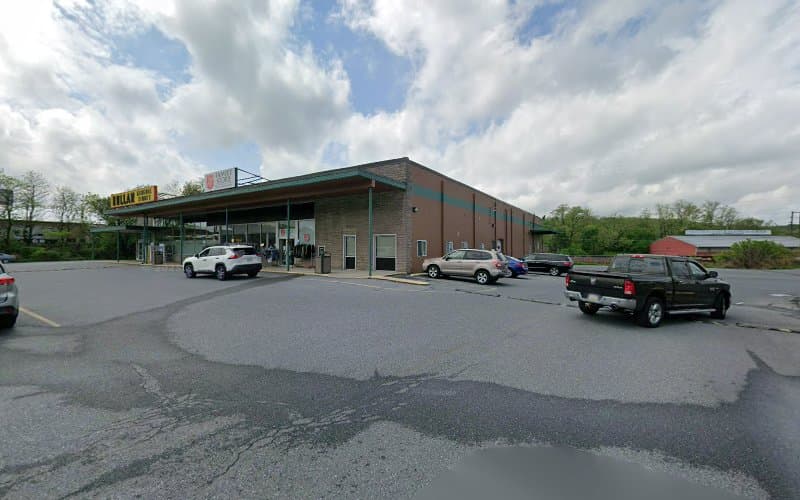
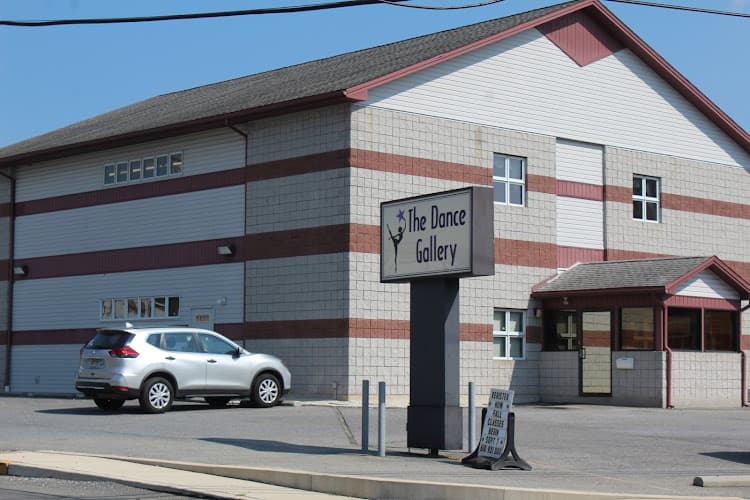
Dance Pointe Studio is a dance school located at 700 S Fourth Street in Hamburg, Pennsylvania, in the northern part of Berks County. The studio operates as a community based instructional facility, offering dance classes to students in the Hamburg area and the surrounding boroughs and townships of the Schuylkill River valley. It can be reached by telephone at +1 610-562-0153.
Like many regional dance schools, Dance Pointe Studio functions on an academic year calendar, with instruction typically organized into weekly classes that run from late summer or early fall through the spring. Studios of this kind generally build their programming around age and skill level, so students progress through a sequence of classes over multiple years rather than enrolling in standalone short courses. Families interested in specific class levels, schedules, or tuition should contact the studio directly, since offerings are adjusted from season to season based on enrollment and instructor availability.
Location and Service Area
Hamburg is a borough of roughly four thousand residents situated along the Schuylkill River at the base of Blue Mountain, and it serves as a commercial and civic hub for the rural communities of northern Berks County. The South Fourth Street address places Dance Pointe Studio within the borough itself, convenient to local residential streets and a short drive from Route 61, which is the main north to south corridor through the area. Interstate 78 passes just north of town, which makes the studio reachable for families traveling from Shoemakersville, Lenhartsville, Kempton, Strausstown, Bernville, Bethel, and points along the Schuylkill County line.
Because northern Berks County is largely rural, dance schools in towns like Hamburg often draw students from a wide geographic radius, including families in the Hamburg Area School District and neighboring districts such as Tilden, Perry, Upper Bern, and Windsor townships. Parents who are weighing driving distance may find it useful to ask about class clustering, meaning the practice of scheduling a student's multiple weekly classes back to back on the same evening to reduce trips.
Programs and Instruction
Dance schools serving communities of this size commonly offer a core curriculum in several established disciplines. Prospective students should confirm the current roster with the studio, but the following are the styles most frequently taught in studios of this type:
- Ballet, which forms the technical foundation for most other genres and typically progresses through graded levels
- Pointe work for advanced ballet students who have reached the necessary age, strength, and training benchmarks
- Tap, taught with an emphasis on rhythm, timing, and clarity of sound
- Jazz, including technique, isolations, and choreography set to contemporary music
- Lyrical and contemporary dance, which blend ballet technique with modern movement vocabulary
- Hip hop and street styles, generally offered for school age and teen students
- Creative movement or pre dance classes for preschool aged children, focused on coordination, musicality, and following direction
- Acrobatic or tumbling classes, which some studios include as a supplement to dance training
The name Dance Pointe Studio signals an emphasis on classical ballet training, since pointe work is a milestone that requires years of preparatory instruction. Studios that carry pointe in their identity usually maintain a structured ballet syllabus with placement based on readiness rather than age alone, and they often require students to take a minimum number of ballet classes per week before advancing to pointe shoes.
Performances and Recitals
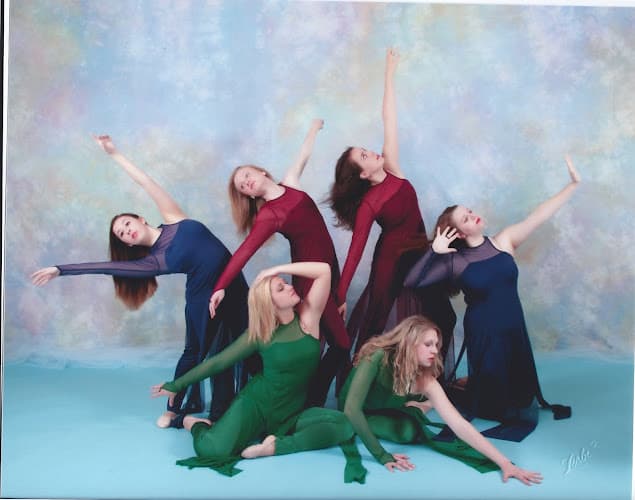
The annual recital is a central feature of the school year at most community dance studios, and it typically takes place in late spring at a local school auditorium or performing arts space. Recital preparation shapes the second half of the season, with class time increasingly devoted to choreography, formations, and staging. Families should expect associated items such as costume fees, ticket purchases, dress rehearsals, and photograph or video sessions, all of which are usually announced months in advance.
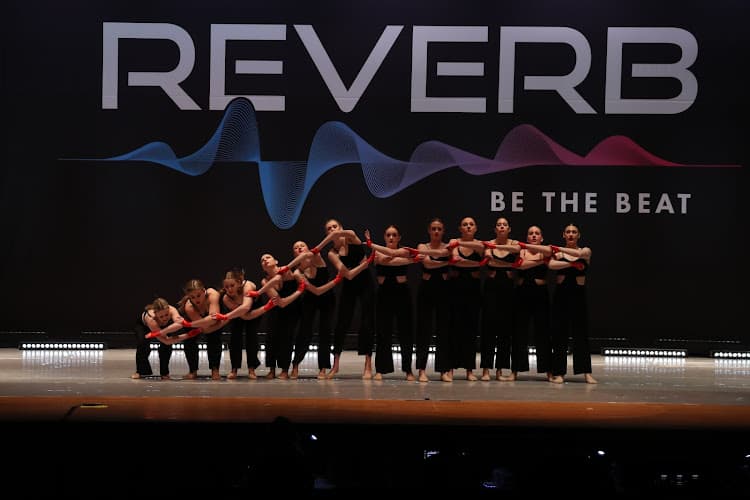
Some studios also participate in regional dance competitions and conventions, maintain a performance or company team that rehearses beyond regular class hours, and appear at community events such as parades, fairs, and holiday celebrations. Hamburg hosts several well attended annual events, and local performing groups are frequently part of that civic calendar. Parents interested in a competitive track, as opposed to recreational classes only, should ask about audition timing, additional rehearsal commitments, and travel expectations.
Accessibility and Facilities
The studio has a wheelchair accessible parking lot, according to information listed for the business. On site parking is a practical advantage for a dance school, since class changeovers concentrate arrivals and departures into short windows at the start and end of each hour. Visitors with specific mobility questions, including interior access to studio rooms and waiting areas, are encouraged to call ahead so that staff can describe the layout.
Dance studios generally require appropriate footwear and attire by class type, such as ballet slippers and leotards for ballet, oxford or slip on tap shoes for tap, and jazz shoes or sneakers for jazz and hip hop. First time families often ask whether the studio sells these items directly or recommends a local or online supplier, which is a useful question to raise during registration.
Enrollment and Practical Details
Registration for the fall season at most studios opens during the summer, and popular class times for young children tend to fill first. Inquiries can be made by phone. Information worth requesting includes the current class schedule, tuition structure and payment intervals, family or multi class discounts, trial class policies, makeup class rules for weather cancellations, and observation policies for parents.
For families in northern Berks County, a local dance school provides an in town option for structured arts instruction that would otherwise require a longer drive toward Reading or the Lehigh Valley. Beyond technique, studios of this kind often function as social anchors for students, with multi year class cohorts, volunteer opportunities for parents during recital season, and a steady presence in the community calendar.