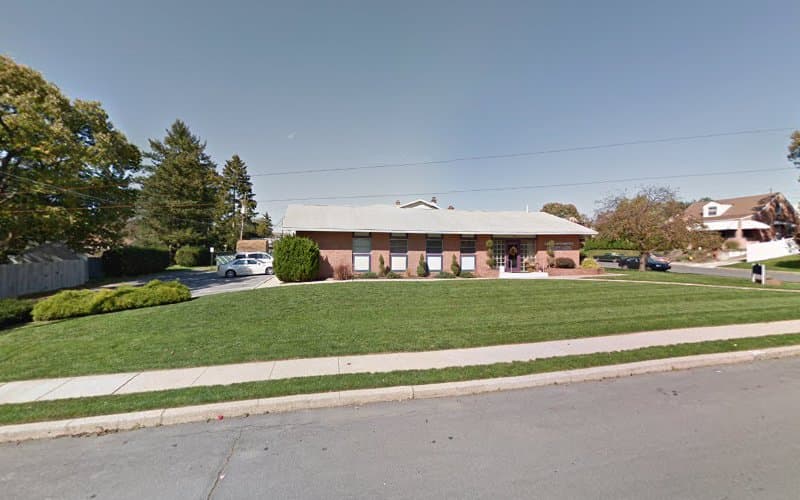
David P. Hauk, OD operates as an optometric practice located along North 5th Street Highway in Temple, Pennsylvania. The practice provides eye care services to residents of Berks County and the surrounding communities in southeastern Pennsylvania. As a Doctor of Optometry, Dr. Hauk offers professional vision care services that fall within the scope of optometric practice, which typically encompasses eye examinations, vision correction, and the diagnosis and management of various eye conditions.
Location and Accessibility
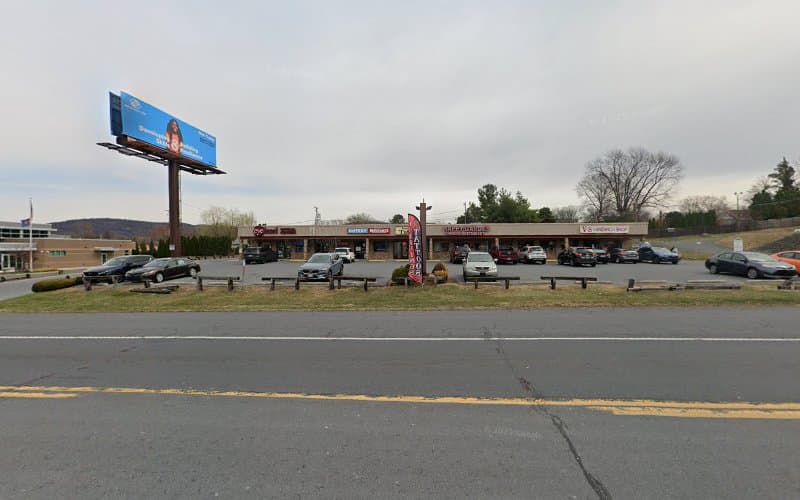
The practice is situated at 4447 North 5th Street Highway in Temple, a census-designated place within Muhlenberg Township, Berks County. This location places the office along a major commercial corridor that connects Temple to Reading and other nearby communities. The North 5th Street Highway serves as a primary thoroughfare in the region, making the practice accessible to patients traveling from various parts of Berks County.
The facility has been designed with accessibility considerations in mind. The practice features a wheelchair accessible entrance, allowing patients with mobility challenges to enter the building without barriers. Additionally, the parking lot accommodates wheelchair users, and the restroom facilities within the office are also wheelchair accessible. These features ensure that patients with varying physical abilities can receive eye care services at this location.
Services Typically Offered by Optometric Practices
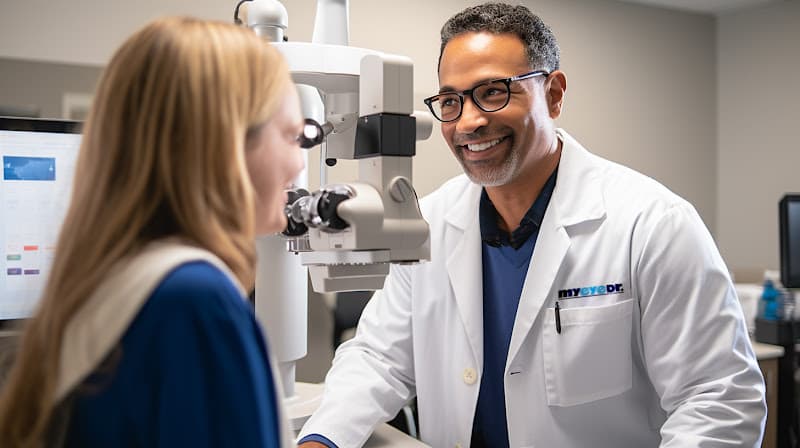
While specific service offerings may vary, optometrists like Dr. Hauk generally provide a comprehensive range of eye and vision care services. These typically include comprehensive eye examinations, which assess visual acuity, eye health, and the need for corrective lenses. During these examinations, optometrists evaluate how well patients can see at various distances and check for common vision problems such as nearsightedness, farsightedness, astigmatism, and presbyopia.
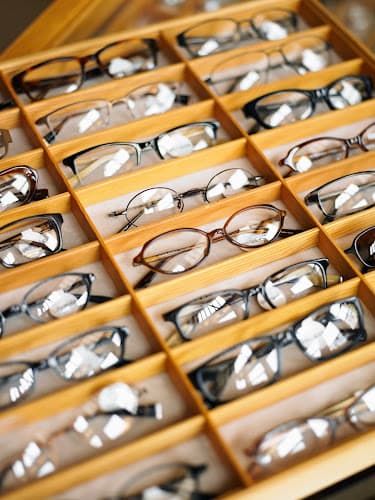
Optometric practices commonly offer prescription services for eyeglasses and contact lenses. This involves determining the precise lens specifications needed to correct a patient's vision and may include guidance on frame selection, lens materials, and specialized lens options such as progressive lenses or photochromic lenses that darken in sunlight.
Contact lens services at optometric offices typically include fitting appointments, where the optometrist determines the appropriate type, size, and prescription for contact lenses based on the patient's eye shape, vision needs, and lifestyle. Follow-up appointments ensure that the lenses fit properly and that the patient is comfortable with insertion, removal, and care procedures.
Eye health evaluations form another significant component of optometric care. Optometrists are trained to detect and manage various eye conditions, including dry eye syndrome, conjunctivitis, glaucoma, cataracts, and macular degeneration. Early detection of these conditions through routine eye examinations can be important for preserving vision and overall eye health.
The Role of Optometrists in Healthcare
Optometrists occupy a distinct position within the eye care profession. They hold a Doctor of Optometry degree, which requires completion of a four-year professional program following undergraduate education. This training prepares them to examine eyes for both vision and health problems, prescribe corrective lenses, and in most states, prescribe medications for certain eye conditions.
The scope of optometric practice differs from that of ophthalmologists, who are medical doctors specializing in eye and vision care, including surgical procedures. Optometrists typically focus on primary eye care, vision correction, and the management of common eye conditions, while referring patients to ophthalmologists when surgical intervention or treatment of complex medical conditions is necessary.
In Pennsylvania, optometrists are licensed by the State Board of Optometry and must meet continuing education requirements to maintain their licenses. This regulatory framework helps ensure that practitioners remain current with developments in eye care and maintain professional standards.
Appointment Information
The practice operates on an appointment-recommended basis, meaning that while walk-in visits may occasionally be accommodated, patients are encouraged to schedule appointments in advance. This approach allows for adequate time to be allocated for each patient's examination and reduces wait times. Prospective patients can contact the office by telephone at 610-929-4444 to schedule appointments or inquire about services.
Scheduling appointments in advance is particularly advisable for comprehensive eye examinations, contact lens fittings, and follow-up visits, as these services require dedicated time and preparation. Patients with urgent eye concerns should call the office to determine whether same-day appointments are available or whether they should seek care at an emergency facility.
The Temple and Muhlenberg Township Area
Temple is located in Muhlenberg Township, which borders the city of Reading to the north. The area has a mix of residential neighborhoods and commercial development, with North 5th Street Highway serving as one of the main commercial arteries. The township is home to a diverse population and offers convenient access to major roadways, including Route 222 and Interstate 78, which connect the region to other parts of Pennsylvania and neighboring states.
The presence of local healthcare providers like optometric practices serves the community by offering accessible professional services without requiring residents to travel to larger urban centers. For residents of Temple, Muhlenberg Township, and nearby communities such as Laureldale, Hyde Park, and portions of Reading, having local eye care options can be convenient for routine vision needs and ongoing eye health management.
Importance of Regular Eye Examinations
Eye care professionals generally recommend that adults receive comprehensive eye examinations at regular intervals, with the frequency depending on age, risk factors, and whether the individual wears corrective lenses. The American Optometric Association suggests that adults aged 18 to 64 receive examinations at least every two years, while those 65 and older should have annual examinations. Individuals with diabetes, a family history of eye disease, or other risk factors may need more frequent evaluations.
Regular eye examinations serve purposes beyond simply updating eyeglass or contact lens prescriptions. These visits allow optometrists to monitor for early signs of eye diseases, many of which develop gradually and may not cause noticeable symptoms in their early stages. Conditions such as glaucoma, for example, can cause irreversible vision loss if not detected and managed appropriately.
Eye examinations can also reveal signs of systemic health conditions that affect the eyes, including diabetes and hypertension. The blood vessels in the retina can show changes associated with these conditions, sometimes before other symptoms become apparent. This makes eye examinations a valuable component of overall health monitoring.
Practical Considerations for Patients
Patients visiting an optometric practice for the first time are typically asked to provide information about their medical history, current medications, and any vision concerns or symptoms they have experienced. Bringing a list of medications and any previous eyeglass or contact lens prescriptions can help the optometrist provide more informed care.
For those who wear contact lenses, it is generally advisable to bring the current lens packaging or know the brand, power, and other specifications of the lenses being worn. This information assists the optometrist in evaluating whether the current prescription remains appropriate or whether adjustments are needed.
Patients should also be prepared to discuss their visual demands, including occupational requirements, hobbies, and lifestyle factors that may influence lens recommendations. Someone who spends extensive time working at a computer, for instance, may benefit from different lens options than someone whose work primarily involves outdoor activities or driving.
The practice's restroom facilities are available to patients during their visits, providing convenience particularly for those traveling from surrounding areas or those whose examinations involve procedures that may temporarily affect vision, such as pupil dilation.