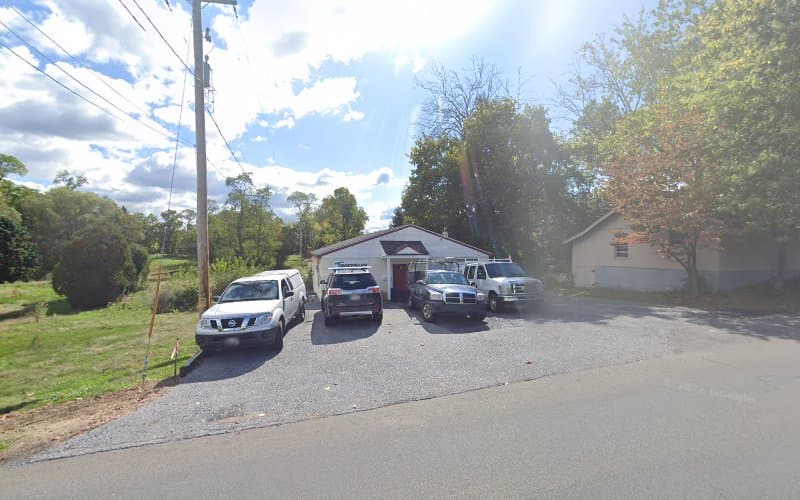
David Schlear Contracting is a painting contractor operating in Pennsylvania, providing residential and commercial painting services to property owners throughout the region. The business operates under the direction of its namesake owner, functioning as a contractor-led operation that handles various painting projects across different property types and scales.
As a painting contractor rather than a general painting company, David Schlear Contracting typically manages projects from initial consultation through completion, coordinating the various aspects of painting work including surface preparation, material selection, application, and finishing. This contractor model allows for direct communication between property owners and the person responsible for overseeing their project.
Services and Scope of Work
Painting contractors in Pennsylvania generally offer a range of services that address both interior and exterior painting needs. While specific service offerings can vary based on a contractor's expertise and equipment, painting contractors typically handle the following categories of work:
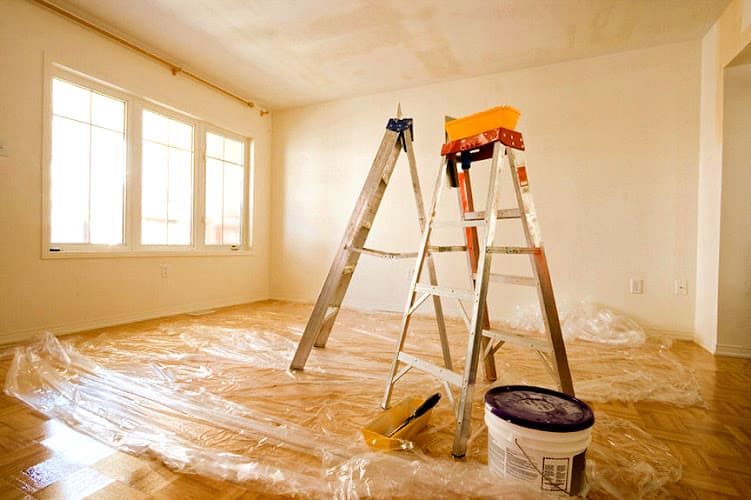
- Interior wall and ceiling painting for residential properties
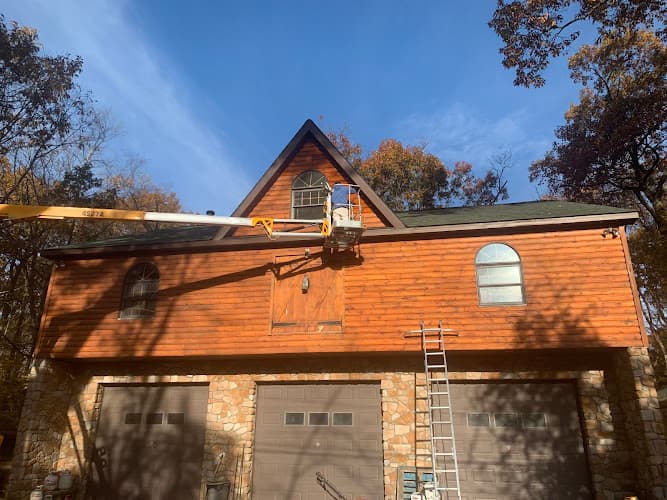
- Exterior house painting including siding, trim, and architectural details
- Commercial interior painting for offices, retail spaces, and institutional buildings
- Surface preparation including scraping, sanding, priming, and repair of minor damage
- Staining and finishing for decks, fences, and other wooden structures
- Cabinet refinishing and painting
- Specialty finishes and decorative painting techniques
The scope of any individual project depends on the property owner's needs, the condition of existing surfaces, and the complexity of the work involved. Painting contractors assess each project individually, providing estimates based on factors such as square footage, surface condition, accessibility, and the type of coatings required.
The Pennsylvania Painting Industry
Pennsylvania's diverse architectural landscape creates varied demand for painting services across the state. From historic row homes in Philadelphia to suburban developments in the surrounding counties, colonial-era structures in smaller towns, and modern commercial buildings in urban centers, the state's building stock represents multiple centuries of construction styles and materials.
This architectural diversity means that painting contractors working in Pennsylvania often encounter a wide range of surface types and conditions. Older homes may feature original plaster walls, wooden trim with multiple layers of previous paint, and exterior surfaces that have weathered decades of the region's four-season climate. Newer construction presents different considerations, including modern drywall finishes, vinyl siding, and contemporary building materials that require specific preparation and coating approaches.
The climate in Pennsylvania also influences painting work significantly. The state experiences hot, humid summers and cold winters, with precipitation distributed throughout the year. These conditions affect both the timing of exterior painting projects and the performance requirements of the coatings used. Professional painting contractors plan their work schedules around weather patterns, typically concentrating exterior work during the more temperate months of late spring through early fall when temperature and humidity conditions allow for proper paint application and curing.
Understanding the Contracting Model
The term "contracting" in the business name indicates a particular approach to providing painting services. A painting contractor operates differently from a large painting company with multiple crews and a corporate structure. Contractor-led businesses typically offer more direct involvement from the owner in day-to-day operations and project management.
This business model has several practical implications for customers. Communication tends to be more straightforward, with property owners speaking directly to the person who will oversee their project rather than going through layers of sales representatives or office staff. Decision-making can be more flexible, as the contractor can assess situations on-site and make adjustments without requiring approval from distant management.
Contractor-operated painting businesses often develop their reputations through word-of-mouth referrals within their service areas. Because the contractor's name is directly associated with the quality of work performed, there is an inherent accountability that comes with this business structure. The contractor's professional reputation depends on the outcome of each project completed.
Service Area Considerations
Based in Pennsylvania, David Schlear Contracting serves customers within a practical geographic radius of its base of operations. The 610 area code associated with the business phone number covers a significant portion of southeastern Pennsylvania, including parts of Chester, Delaware, Montgomery, Berks, and Lehigh counties. This region encompasses suburban communities west of Philadelphia, the Lehigh Valley area, and portions of the Pennsylvania Dutch Country.
Southeastern Pennsylvania represents one of the more densely populated regions of the state, with a mix of housing types that includes single-family homes, townhouses, condominiums, and apartment complexes. The area also contains substantial commercial and light industrial development, creating potential demand for painting services across multiple property categories.
The specific communities within a painting contractor's service area typically depend on factors such as travel time from the contractor's base, the concentration of potential work in various locations, and established relationships with customers in particular neighborhoods or towns. Many contractors develop familiarity with specific areas over time, becoming knowledgeable about local architectural styles, common building materials, and the particular challenges that properties in those areas tend to present.
Working with a Painting Contractor
Property owners considering painting work typically begin the process by contacting contractors to discuss their needs and obtain estimates. This initial consultation phase allows the contractor to assess the scope of work required, evaluate surface conditions, and understand the customer's preferences regarding colors, finishes, and timing.
A thorough estimate from a painting contractor generally includes information about the preparation work needed, the type and quality of materials to be used, the expected timeline for completion, and the total cost of the project. Some contractors provide detailed written proposals that break down the various components of the work, while others offer more straightforward pricing based on their assessment of the job.
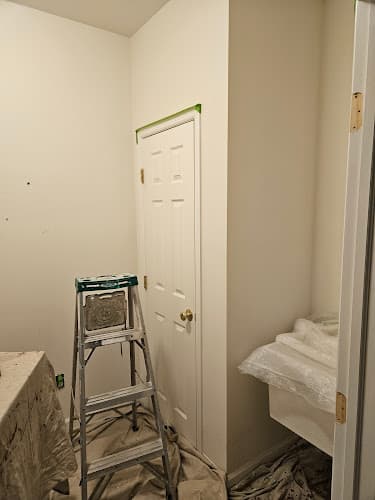
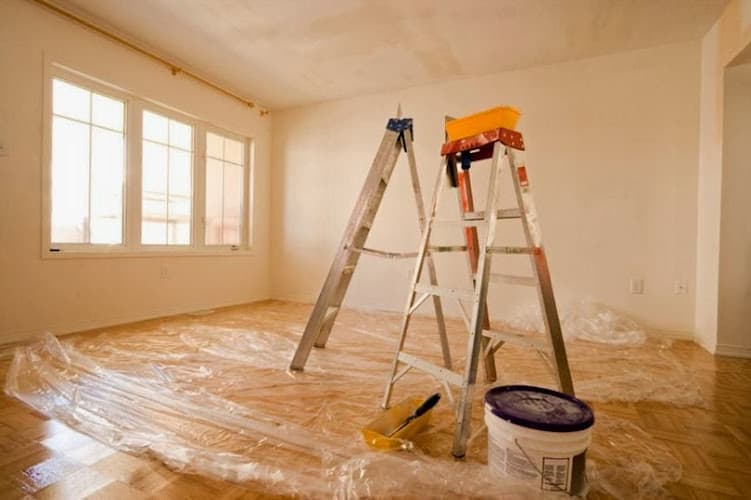
The preparation phase of any painting project often represents a significant portion of the total work involved. Proper preparation may include cleaning surfaces, repairing damaged areas, removing loose or peeling paint, applying primer to bare or problem areas, and protecting adjacent surfaces from paint application. The quality of preparation work directly affects the durability and appearance of the finished paint job.
During the actual painting phase, contractors apply coatings according to manufacturer specifications and industry best practices. This typically involves applying the appropriate number of coats, allowing proper drying time between applications, and maintaining consistent technique throughout the project. Professional painters develop skills in cutting in around edges, rolling large surfaces efficiently, and achieving uniform coverage without visible brush marks or roller texture.
Contacting the Business
Property owners interested in discussing painting projects with David Schlear Contracting can reach the business by phone at 610-476-7994. Initial phone consultations typically cover basic information about the project scope, property location, and general timing considerations. Many contractors prefer to schedule on-site visits for larger projects, as accurate estimates require direct observation of the surfaces to be painted and the conditions that may affect the work.
When contacting a painting contractor, it can be helpful to have basic information ready about the project, including the approximate size of the area to be painted, the current condition of surfaces, any specific concerns or requirements, and the general timeframe within which the work needs to be completed. This information helps the contractor provide more accurate initial guidance and determine whether the project falls within their typical scope of work.