Dayspring Homes, Inc. is a group home operator based at 250 S 12th Street in Reading, Pennsylvania. The organization provides residential care in a home setting for individuals who need support with daily living, supervision, or skill development in order to live safely and as independently as possible. Rather than operating as a large institutional facility, the group home model places a small number of residents in a house within an established neighborhood, where routines, meals, and household activity resemble those of an ordinary home.
The company can be reached by phone at +1 610-376-5648, and additional information is published on its website at dayspringhomes.org. The .org domain reflects the nonprofit or mission-driven orientation common among residential service providers in the human services field.
Location and Service Area
The South 12th Street address places Dayspring Homes in the city of Reading, the seat of Berks County in southeastern Pennsylvania. Reading is a mid-sized city with a dense, walkable street grid, and the 12th Street corridor sits within reach of the downtown core, local retail, medical offices, houses of worship, and city bus routes operated by the Berks Area Regional Transportation Authority. For residents of a group home, proximity to these everyday destinations matters a great deal, because community access is one of the central goals of residential programming. Being able to walk or ride a short distance to a pharmacy, a grocery store, a clinic appointment, a library, or a job site supports the kind of routine participation that congregate care in a remote location often makes difficult.
Berks County has a substantial network of county-administered services for individuals with intellectual and developmental disabilities, behavioral health needs, and aging-related needs. Providers operating in Reading typically work alongside county case management, supports coordination organizations, hospitals, schools, and vocational programs. Families searching within Reading, Wyomissing, Muhlenberg Township, Exeter Township, and the surrounding boroughs will generally find that placement decisions run through these county and managed care channels, and a provider's location within the county seat can simplify coordination and family visitation.
What a Group Home Provides
Group homes in Pennsylvania offer 24-hour or scheduled residential support depending on the licensing category and the needs of the individuals served. While specific program details are best confirmed directly with Dayspring Homes, services in this category commonly include:
- Housing in a shared residence with private or shared bedrooms and common living areas
- Supervision and awake or asleep overnight staffing, as required by the residents' assessed needs
- Assistance with activities of daily living such as bathing, dressing, grooming, and mobility
- Medication administration and monitoring by trained staff
- Meal planning, grocery shopping, cooking, and nutritional support
- Transportation to medical, dental, psychiatric, and therapeutic appointments
- Coordination with physicians, therapists, behavior specialists, and county case managers
- Life skills instruction covering budgeting, laundry, housekeeping, personal safety, and use of public transit
- Support for employment, volunteering, day programs, or educational activities
- Recreation and community outings, including holidays and family contact
Each resident's services are typically guided by an individual plan developed with the person, their family or guardian, and the supports coordinator. That plan sets measurable outcomes, identifies preferences and routines, and documents health and safety protocols. Progress is reviewed on a regular schedule, and plans are revised as circumstances change.
Approach and Character
What tends to distinguish one group home from another is not the list of services, which is largely set by regulation, but the atmosphere inside the house and the consistency of the staff. Families evaluating providers usually pay close attention to how residents and direct support professionals interact, how the home looks and feels day to day, and whether the same faces are present month after month. Continuity of staffing is one of the strongest predictors of resident stability in residential care, since familiar caregivers learn individual preferences, recognize early signs of illness or distress, and build the trust that makes personal care manageable.
Documentation and follow-through also shape outcomes. Residential providers are responsible for incident reporting, medication records, financial recordkeeping on behalf of residents, fire drills, health appointment tracking, and progress notes tied to each person's goals. Thorough administrative practice is not glamorous, but it is what keeps a license in good standing and, more importantly, what ensures that medical issues, dental needs, and plan objectives do not fall through the cracks.
Accessibility
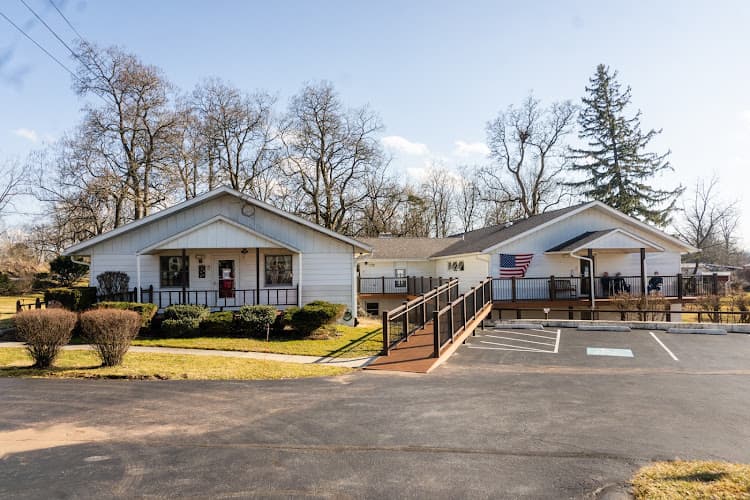
Dayspring Homes reports a wheelchair accessible entrance and a wheelchair accessible parking lot at its 12th Street location. On-site accessible parking is a practical advantage in a dense city neighborhood where street parking can be limited, and it eases arrival for visiting family members, case managers, and residents using mobility devices or accessible vehicles. Prospective residents who use wheelchairs, walkers, or other equipment should discuss interior accessibility in detail during a tour, including bathroom configuration, doorway widths, bedroom location relative to stairs, and any adaptive equipment the home can accommodate.
Practical Information for Families and Referral Sources
Anyone considering Dayspring Homes for a family member will want to gather the following information during an initial conversation:
- The populations served and the licensing category under which the home operates
- Current openings, bed availability, and expected wait times
- Funding sources accepted, including Medicaid waiver programs, county contracts, private pay, or Social Security and SSI arrangements
- Staffing ratios during waking hours and overnight
- Visiting policies, communication practices with families, and how updates are shared
- House routines, including meal times, chores, curfews, and recreation
- How behavioral support, medical emergencies, and hospitalizations are handled
- Whether residents attend outside day programs, school, or employment
Referrals to group homes in Pennsylvania frequently originate with county offices, supports coordination organizations, hospital discharge planners, or school transition teams, though families are welcome to make direct inquiries. Calling ahead is advisable, because group homes are private residences and tours are scheduled out of respect for the people who live there.
Contact
Dayspring Homes, Inc. is located at 250 S 12th Street, Reading, Pennsylvania, 19602. The office can be reached at +1 610-376-5648, and program information is available at dayspringhomes.org. Inquiries about admissions, funding, employment as a direct support professional, or partnership with county and community agencies are best directed to the main phone line.