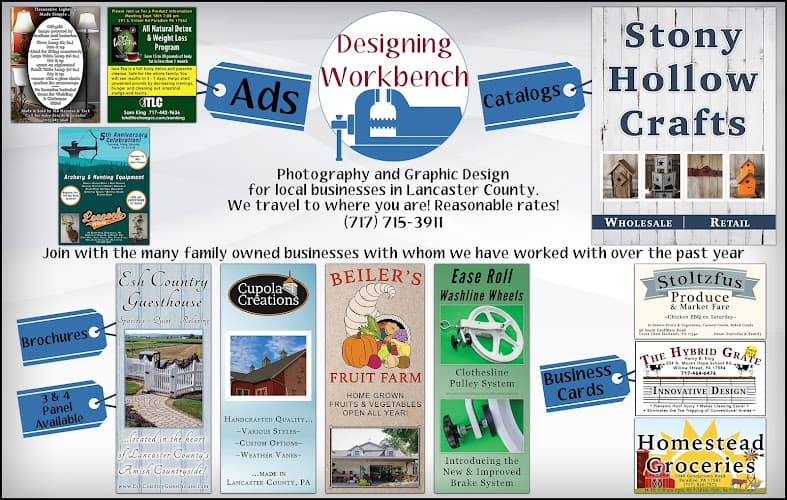
Designing Workbench is a graphic design practice based in Pennsylvania, offering professional visual communication services to businesses and individuals throughout the region. Operating under a name that evokes both the creative process and the hands-on craftsmanship of design work, the firm provides graphic design solutions for clients seeking professional visual materials for various applications.
Services and Specializations
As a graphic design operation, Designing Workbench works within the broad field of visual communication, which encompasses a range of creative services. Graphic designers typically handle projects that translate concepts, messages, and brand identities into visual formats that effectively communicate with target audiences. While specific service offerings can vary between design practices, the graphic design profession generally includes work in several key areas.
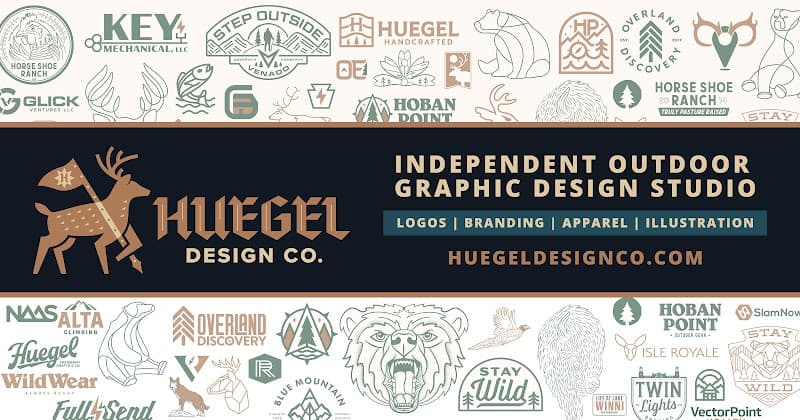
Brand identity development represents one of the foundational services in graphic design. This involves creating logos, color palettes, typography systems, and visual guidelines that establish how a business or organization presents itself visually across all touchpoints. These identity systems help organizations maintain consistency in their communications and build recognition among their audiences.
Print design constitutes another significant portion of typical graphic design work. This category includes business cards, letterheads, brochures, flyers, posters, packaging, annual reports, catalogs, and other physical marketing materials. Despite the growth of digital media, print materials remain essential for many businesses, particularly for local operations, professional services, and industries where tangible materials support sales processes or customer relationships.
Digital design has become increasingly important as businesses expand their online presence. This includes website graphics, social media assets, email marketing templates, digital advertisements, and other visual content designed for screen-based viewing. The technical requirements for digital design differ from print, requiring knowledge of file formats, screen resolutions, and platform-specific specifications.
Marketing collateral represents the intersection of design and business communication. Graphic designers create materials that support advertising campaigns, promotional efforts, trade show displays, and sales presentations. This work requires understanding not only visual principles but also marketing objectives and audience psychology.
The Graphic Design Process
Professional graphic design typically follows a structured process that begins with understanding client needs and objectives. Initial consultations establish the scope of a project, the intended audience, key messages to communicate, and practical requirements such as formats, sizes, and production specifications. This discovery phase helps ensure that the final design serves its intended purpose effectively.
Research and concept development follow the initial briefing. Designers examine the competitive landscape, industry conventions, and audience preferences to inform their creative approach. Concept development involves generating multiple visual directions that could address the project requirements, often presented as rough sketches or preliminary compositions for client review.
Refinement stages take selected concepts through increasingly detailed iterations. Client feedback guides adjustments to layout, color, typography, imagery, and other design elements. This collaborative process continues until the design achieves its communication goals while meeting the client's aesthetic preferences and practical requirements.
Final production prepares designs for their intended use, whether that involves preparing files for commercial printing, optimizing graphics for web use, or creating assets in multiple formats for various applications. Professional designers understand the technical requirements of different production methods and deliver files that meet industry standards.
Location and Service Area
Designing Workbench operates from Pennsylvania, serving clients throughout the state and potentially beyond. Pennsylvania offers a diverse business landscape that includes major metropolitan areas like Philadelphia and Pittsburgh, mid-sized cities, suburban commercial districts, and rural communities. This variety creates demand for graphic design services across numerous industries and organizational types.
The state's economy encompasses manufacturing, healthcare, education, financial services, technology, agriculture, tourism, and retail sectors, among others. Each of these industries has distinct visual communication needs, from technical documentation and regulatory compliance materials to consumer-facing marketing and brand development.
Modern graphic design practices often serve clients beyond their immediate geographic area. Digital communication tools enable designers to collaborate with clients remotely, exchanging files, conducting virtual meetings, and managing projects without requiring in-person contact. This capability allows design firms to work with organizations throughout the country or internationally while maintaining their local base of operations.
The Role of Graphic Design in Business
Graphic design serves as a critical function in business communication, translating organizational messages into visual formats that audiences can quickly understand and remember. Research in cognitive psychology demonstrates that visual information is processed more rapidly than text and is retained longer in memory, making effective design a valuable tool for businesses seeking to communicate with customers, employees, and other stakeholders.
Brand consistency, achieved through professional design systems, helps organizations build recognition and trust over time. When visual elements remain consistent across different touchpoints, audiences develop familiarity with the brand, which can influence purchasing decisions and relationship development. Inconsistent or unprofessional visual presentation can undermine credibility and make organizations appear less established or trustworthy.
For small and medium-sized businesses, professional graphic design can help level the competitive playing field. Well-designed materials allow smaller organizations to present themselves with the same visual sophistication as larger competitors, creating impressions of professionalism and capability that support business development efforts.
Working with a Graphic Designer
Clients seeking graphic design services benefit from understanding what to expect from the professional relationship. Clear communication about project goals, timelines, and budgets helps establish productive working arrangements. Providing examples of designs that appeal to the client, along with information about the intended audience and competitive context, gives designers valuable input for developing appropriate solutions.
The design process typically involves multiple rounds of review and revision. Clients should expect to provide feedback at various stages, with initial concepts being refined based on their input. Understanding that design is an iterative process helps set appropriate expectations for project timelines and the number of revisions that may be needed to achieve satisfactory results.
File ownership and usage rights represent important considerations in design engagements. Clients should clarify what files they will receive upon project completion and what rights they have to use and modify those materials. Professional designers typically provide final files in formats appropriate for the intended use, along with any source files specified in the project agreement.
Contact Information
Designing Workbench can be reached by telephone at +1 717-715-3911. The 717 area code serves south-central Pennsylvania, including the Harrisburg, Lancaster, and York metropolitan areas. Prospective clients can contact the firm to discuss project requirements, request information about services, or arrange consultations to explore how graphic design might address their visual communication needs.