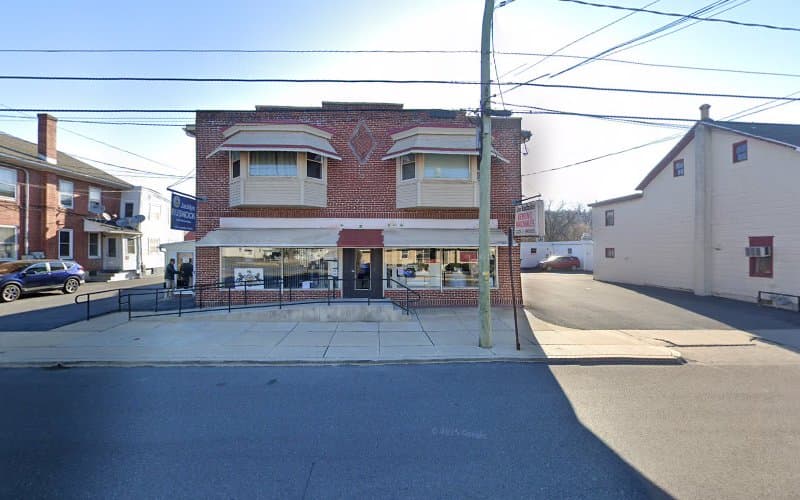
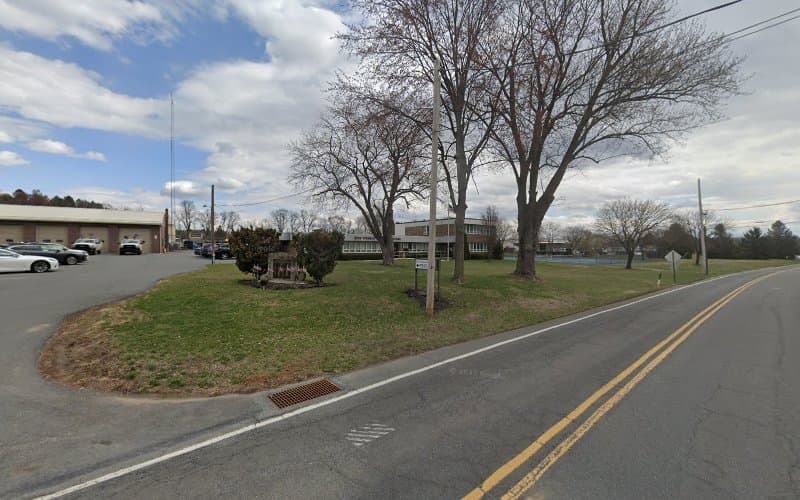
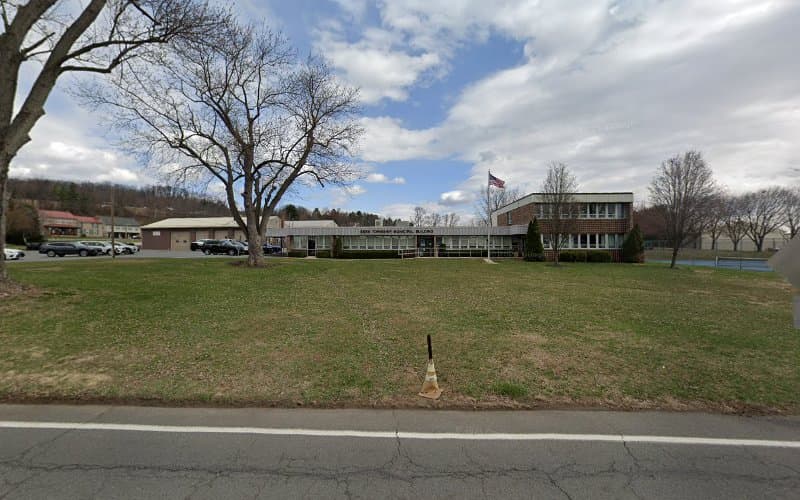
District Court 23-3-06 is a magisterial district court serving Berks County, Pennsylvania, located at 61 N 3rd St #2 in the borough of Hamburg. The court operates as part of the Commonwealth's unified judicial system under the administration of the Berks County Court of Common Pleas, 23rd Judicial District. Its numeric designation follows the standard Pennsylvania format, in which the first segment identifies the judicial district (23 for Berks County), and the remaining digits identify the specific magisterial district within that county.
Magisterial district courts are the entry point for most legal matters in Pennsylvania. They handle the earliest stages of criminal cases, resolve smaller civil disputes, and dispose of traffic and summary offenses. For many residents of northern Berks County, this Hamburg courthouse is the only courtroom they will ever set foot in, and it processes a steady volume of citations, small claims, and preliminary proceedings that never advance to the county courthouse in Reading.
Jurisdiction and Service Area
The court presides over cases arising in Hamburg and the surrounding municipalities assigned to its magisterial district in the northern portion of Berks County. Magisterial district boundaries in Pennsylvania are established by the state Supreme Court and are periodically reapportioned based on caseload and population, so residents who are uncertain whether a matter belongs before this court can confirm venue by calling the office directly.
Cases are generally assigned based on where the offense occurred, where the property is located, or where the defendant resides, depending on the type of proceeding. Citations issued by the Pennsylvania State Police, borough and township police departments, and other enforcement agencies operating in the district are filed here.
Criminal Proceedings
In misdemeanor and felony cases, the magisterial district judge handles the initial phases of prosecution. These typically include:
- Issuing arrest warrants and search warrants upon a showing of probable cause
- Conducting preliminary arraignments, at which a defendant is informed of the charges and bail is set
- Setting conditions of release, including monetary bail, unsecured bail, or release on recognizance
- Holding preliminary hearings to determine whether the Commonwealth has established a prima facie case sufficient to send charges to the Court of Common Pleas
Magisterial district judges also maintain on call availability outside of regular office hours through the county's night court and weekend arraignment system, which allows law enforcement to obtain warrants and process arrests at any hour.
Summary offenses, the least serious category of criminal charge in Pennsylvania, are tried and decided at this level. Common examples include disorderly conduct, harassment, retail theft charged as a summary, underage drinking, and various borough ordinance and code violations. A defendant found guilty of a summary offense has the right to file a summary appeal for a new hearing before a judge of the Court of Common Pleas.
Traffic Citations
Traffic matters make up a substantial share of the docket at any Pennsylvania magisterial district court. Motorists cited under the Vehicle Code may plead guilty and pay the fine and costs by mail, or they may plead not guilty and request a hearing. At the hearing, the citing officer presents evidence and the defendant may testify, present witnesses, and cross examine. Speeding, careless driving, driving without insurance, expired registration, and license violations are among the most frequently heard cases.
Defendants should be aware that failing to respond to a citation within the time allowed can result in additional penalties and a suspension of driving privileges through PennDOT, so contacting the court promptly is advisable even when the full amount cannot be paid at once. Payment plans are available in many circumstances.
Civil Cases and Landlord Tenant Matters
The court hears civil complaints where the amount in controversy does not exceed the statutory limit for magisterial district courts, currently $12,000 exclusive of interest and costs. These are often described as small claims proceedings, and parties frequently appear without attorneys, though legal representation is permitted. Typical civil filings include unpaid debts, property damage claims, disputes over services rendered, and the return of security deposits.
Landlord tenant actions are also handled here. A property owner seeking possession of leased premises files a complaint, the court schedules a hearing, and a judgment may be entered for possession, unpaid rent, and damages. Either party may appeal a civil or landlord tenant judgment to the Court of Common Pleas within the time period set by the Pennsylvania Rules of Civil Procedure Governing Actions and Proceedings Before Magisterial District Judges.
Other Functions
Pennsylvania magisterial district judges are authorized to perform marriage ceremonies, and the court may also process emergency petitions under the Protection From Abuse Act during hours when the Court of Common Pleas is closed. Emergency orders issued in that context are temporary and must be reviewed by a judge of the Court of Common Pleas on the next business day.
Location, Facilities, and Access
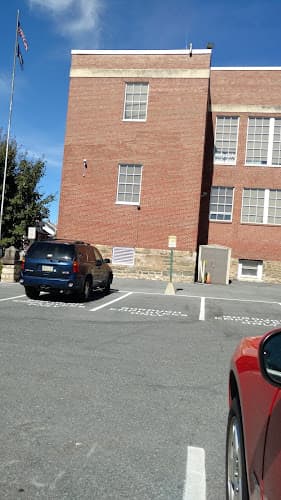
The courthouse sits on North 3rd Street in Hamburg, a borough along the Schuylkill River at the northern end of Berks County, near the interchange of Interstate 78 and Route 61. The location places it within convenient reach of Shoemakersville, Kutztown area municipalities, and the rural townships along the Blue Mountain ridge.
The facility is designed for accessibility. It offers a wheelchair accessible entrance, a wheelchair accessible restroom, and a wheelchair accessible parking lot, so visitors using mobility devices can reach the courtroom and the front counter without assistance. Public restrooms are available on site.
Practical Information for Visitors
- Arrive early for scheduled hearings. Dockets are often set in blocks, and multiple cases may be listed for the same time.
- Bring all relevant documentation, including citations, notices, leases, receipts, photographs, repair estimates, and correspondence.
- Witnesses must appear in person to testify. Written statements are generally not accepted in place of live testimony.
- Court staff can explain procedures, filing requirements, and fee amounts, but they are prohibited by rule from giving legal advice or predicting outcomes.
- Payments, continuance requests, and scheduling questions should be directed to the office by telephone at +1 610-562-4364 during regular business hours.
- Case information and filing forms for many matters are available through the Pennsylvania Unified Judicial System web portal.
Because hours, hearing schedules, and procedures can change, anyone with a pending matter should confirm details with the office before traveling to the courthouse.