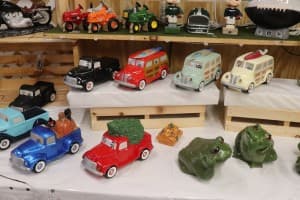
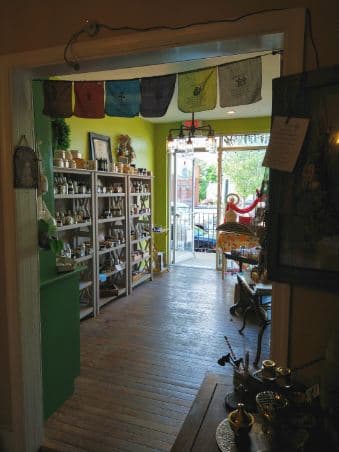
Dueling Brushes Ceramics is a small-scale ceramics studio and gift source located at 740 Noble Street in Kutztown, Pennsylvania. The operation centers on hand-painted ceramic giftware, with a catalog that spans holiday decorations, sports-themed pieces, animal figurines, wall hangings, and lighted items. According to the description the business provides in its association directory listing, ceramic Christmas trees in a full range of sizes are among its signature offerings, alongside other illuminated decorative pieces.
The studio belongs to a category of craft business that has a long history in Pennsylvania: the individually operated ceramics shop where greenware or bisque forms are cleaned, fired, painted, and finished by hand rather than produced on an assembly line. Pieces made this way carry small variations in brushwork, glaze coverage, and color choice, which is part of what distinguishes them from mass-market seasonal merchandise sold through national retailers.
Products and Specialties
The product range described by the business falls into several recognizable groups:
- Holiday ceramics, including seasonal figures, village pieces, and decorative items tied to Christmas, Halloween, Easter, and other calendar occasions
- Ceramic Christmas trees in multiple sizes, from tabletop pieces suitable for a shelf or windowsill to larger centerpiece versions
- Lighted decorations, meaning ceramic forms designed around an internal bulb or light kit that illuminates the piece from within
- Sports-themed items, which typically take the form of team-colored pieces, mascots, or commemorative figures
- Animal figurines, a staple category in hobby ceramics that covers everything from household pets to wildlife and farm animals
- Wall hangings, including plaques and decorative panels intended to be mounted rather than displayed on a surface
Because the work is hand-painted, color schemes and finishes can vary from piece to piece. Shoppers looking for a specific team's colors, a particular breed of animal, or a tree in a certain shade are generally best served by asking directly about current stock and what the studio can produce.
About Ceramic Christmas Trees
The lighted ceramic Christmas tree is one of the most durable traditions in American hobby ceramics. These pieces became widely popular in the 1960s and 1970s, when ceramics classes and local studios were common in towns across the country and many families made or received a tree that then stayed in use for decades. The standard construction involves a hollow ceramic tree body, often green but sometimes white, pink, blue, or another color, studded with small plastic bulbs in assorted colors that are inserted through holes in the branches. A light fixture inside the base, and in many cases a separate ceramic base section, illuminates the bulbs from within.
Interest in these trees has grown substantially in recent years as vintage examples have become collectible and as buyers have sought alternatives to disposable seasonal decor. Newly made trees from working studios fill a specific need: they offer the same look and construction as older pieces, but with intact bulbs, current electrical components, and the ability to choose size and color rather than take whatever turns up at an estate sale. A studio that stocks trees in a full range of sizes can accommodate anything from a small apartment to a mantel display to a larger family centerpiece.
Practical considerations for anyone shopping for one of these pieces include the size of the display space, whether the base and light kit are included, how replacement bulbs are sourced, and whether the piece uses a traditional incandescent bulb or an LED. These are reasonable questions to raise at the point of purchase.
Hand-Painting and the Craft Process
Hand-painted ceramics involve several stages of work before a finished piece reaches a buyer. A form is cast or acquired as greenware, then cleaned to remove mold seams and imperfections. It is fired once to create bisque, the porous stage at which most decorating takes place. Painting may use underglazes, overglazes, or acrylic stains depending on the intended finish, and detail work such as facial features, lettering, fur texture, or tree tips is applied by brush. Glazed pieces return to the kiln for a second firing that sets the surface and gives it durability.
The result is a product with a different character from printed or decal-decorated ceramics. Brush strokes are visible on close inspection, and no two pieces are identical even when they come from the same mold. For gift buyers, this is often the appeal: the item reads as handmade rather than manufactured, and it comes from a specific place and a specific maker.
Location and Service Area
Kutztown sits in Berks County in southeastern Pennsylvania, roughly midway between Allentown and Reading along the Route 222 corridor. The borough is known for Kutztown University, for the annual Kutztown Folk Festival, and for its position within the broader Pennsylvania Dutch region, an area with a deep tradition of folk art, decorative crafts, and handmade goods. Businesses working in painted and decorative crafts fit naturally into that local culture, and the area draws seasonal visitors who come specifically for handmade and regional products.
Noble Street is within the borough itself, placing the studio close to downtown Kutztown and accessible to residents of surrounding Berks and Lehigh County communities including Fleetwood, Topton, Maxatawny, Lyons, Bowers, Krumsville, and the Allentown and Reading suburbs. The location also puts it within reasonable driving distance for shoppers from the greater Lehigh Valley.
Practical Information for Visitors
No telephone number is listed for Dueling Brushes Ceramics in the information available, which is not unusual for small craft operations that sell through local directories, craft shows, seasonal markets, and word of mouth. Prospective customers should expect to confirm details in advance rather than assume walk-in hours.
A few points worth keeping in mind:
- Seasonal timing matters. Studios that specialize in Christmas trees and holiday ceramics are busiest from early autumn through December, and popular sizes and colors can sell out. Shoppers who want a specific piece are generally better off inquiring well before the holiday season peaks.
- Lead times apply to custom work. If a piece needs to be painted to order, the multiple firing and drying stages mean it cannot be completed on short notice.
- Ceramics are fragile. Buyers planning to ship a piece or transport it a long distance should ask about packing.
- Lighted pieces may require specific bulbs. Asking about replacement parts at the time of purchase can save effort later.
Who the Studio Serves
The customer base for a studio of this kind typically includes holiday decorators looking for pieces with a traditional look, collectors building out a set of ceramic trees or village figures, sports fans seeking team-themed items, and gift buyers who want something handmade and locally produced rather than purchased from a chain store. Animal figurines and wall hangings extend the appeal beyond the holiday season, giving the studio a year-round product line alongside its seasonal specialties.