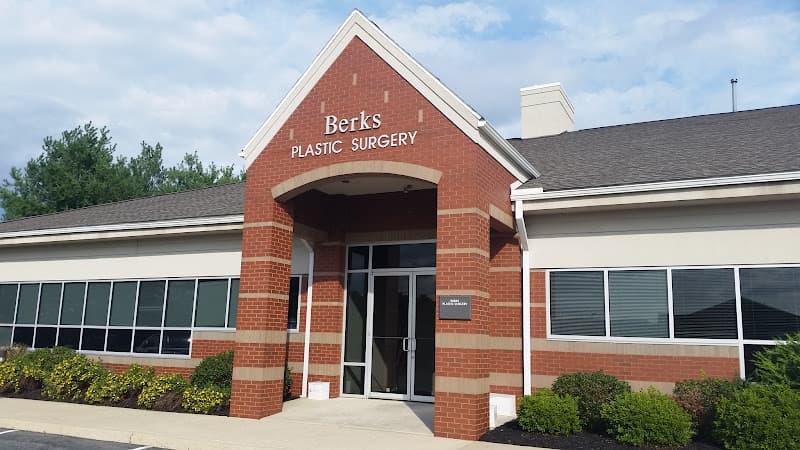
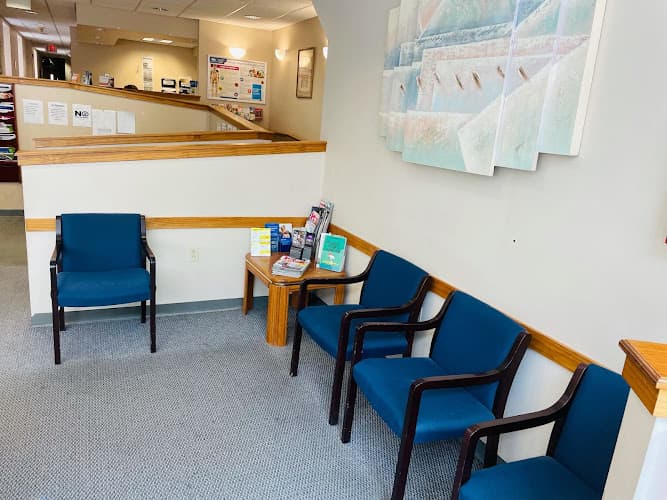
Friday is a free clinic located at 515 McClellan St in Reading, Pennsylvania. Operating as a healthcare facility that provides medical services at no cost to patients, the clinic serves as a critical resource for residents of Berks County who may face barriers to accessing traditional healthcare services. The facility addresses a significant need in the Reading community, where access to affordable medical care remains a pressing concern for many individuals and families.
Location and Accessibility
The clinic is situated on McClellan Street in Reading, a city of approximately 95,000 residents in southeastern Pennsylvania. Reading serves as the county seat of Berks County and has historically been an industrial center, though like many similar cities in the region, it has experienced economic transitions that have affected portions of its population. The location of Friday within this community positions it to serve residents who may otherwise lack access to regular medical care.
The facility has been designed with accessibility as a priority. The clinic features a wheelchair accessible entrance, allowing individuals with mobility challenges to enter the building without difficulty. Additionally, the facility includes wheelchair accessible restroom facilities and a wheelchair accessible parking lot, ensuring that patients with disabilities can navigate the entire visit from arrival to departure. This comprehensive approach to accessibility reflects an understanding that free clinics often serve populations with diverse physical needs, including elderly patients and those with chronic conditions that may affect mobility.
Understanding Free Clinics
Free clinics occupy a distinctive position within the American healthcare landscape. These facilities typically operate as nonprofit organizations that provide medical services to uninsured and underinsured individuals. Unlike federally qualified health centers, which operate on a sliding fee scale, free clinics generally provide services at no charge to patients, relying instead on volunteer medical professionals, charitable donations, and grant funding to sustain their operations.
The free clinic model emerged in the United States during the late 1960s and has since grown to include hundreds of facilities across the country. These clinics serve an estimated population of millions of Americans annually, providing services ranging from basic primary care to chronic disease management. In Pennsylvania, free clinics form an important part of the healthcare safety net, particularly in communities where economic challenges have left significant portions of the population without adequate health insurance coverage.
Healthcare Context in Reading
Reading and the surrounding Berks County region have faced notable healthcare access challenges. The city has experienced economic difficulties in recent decades, with poverty rates that exceed both state and national averages. These economic conditions have contributed to a population that includes many individuals who lack employer-sponsored health insurance and may not qualify for or be able to afford marketplace insurance plans.
Free clinics like Friday help bridge this gap by providing essential medical services to those who might otherwise delay or forgo care entirely. Research consistently demonstrates that delayed medical care leads to worse health outcomes and higher eventual costs when conditions progress to require emergency intervention. By offering accessible primary care services, free clinics contribute to both individual patient health and broader community wellness.
Services Typically Offered at Free Clinics
While specific service offerings vary by facility, free clinics generally provide a range of primary care services. These commonly include basic medical examinations, treatment for acute illnesses and minor injuries, management of chronic conditions such as diabetes and hypertension, preventive care including health screenings, and health education. Many free clinics also offer or coordinate prescription assistance programs to help patients obtain necessary medications at reduced or no cost.
Some free clinics expand their services to include specialty care, dental services, vision care, mental health counseling, and social services referrals. The scope of services at any particular clinic depends on factors including available volunteer professionals, funding levels, and identified community needs. Patients seeking specific services are encouraged to contact the clinic directly to confirm availability.
The Role of Volunteers in Free Clinic Operations
Free clinics typically rely heavily on volunteer healthcare professionals to deliver patient care. Physicians, nurse practitioners, nurses, medical assistants, and other healthcare workers donate their time and expertise to serve patients who cannot access care through traditional channels. This volunteer model allows free clinics to direct their limited financial resources toward supplies, medications, and operational costs rather than staff salaries.
Many healthcare professionals find volunteering at free clinics to be a meaningful way to serve their communities and fulfill the service-oriented aspects of their professional calling. Medical students and residents also frequently participate in free clinic operations, gaining valuable clinical experience while contributing to community health. This educational component adds another dimension to the free clinic model, helping to train the next generation of healthcare providers in serving diverse patient populations.
Patient Eligibility and Access
Free clinics typically establish eligibility criteria to ensure their limited resources reach those with the greatest need. Common requirements include income thresholds, often set at or below 200 percent of the federal poverty level, and lack of health insurance coverage. Some clinics also consider factors such as residency within a particular geographic area. Prospective patients should contact Friday directly to understand specific eligibility requirements and any documentation needed to establish qualification for services.
The intake process at free clinics generally involves completing paperwork to establish eligibility and medical history. Patients may need to provide proof of income, identification, and residency. While this process requires some initial effort, it helps clinics maintain their focus on serving those who lack other options for obtaining medical care.
Community Health Impact
Free clinics contribute to community health in ways that extend beyond individual patient encounters. By providing accessible primary care, these facilities help reduce inappropriate emergency room utilization, which benefits both patients and the broader healthcare system. Emergency departments are designed to handle acute emergencies rather than routine medical needs, and diverting non-emergency cases to appropriate primary care settings improves efficiency and outcomes throughout the system.
Additionally, free clinics often serve as points of connection to other community resources. Patients may receive referrals to social services, mental health resources, food assistance programs, and other support systems that address the social determinants of health. This holistic approach recognizes that health outcomes depend on factors beyond medical care alone, including housing stability, nutrition, and economic security.
Contact Information
Friday can be reached by telephone at +1 484-650-5799. Individuals seeking services are encouraged to call ahead to confirm hours of operation, understand eligibility requirements, and schedule appointments if required. The clinic is located at 515 McClellan St, Reading, PA 19611, with wheelchair accessible parking available on site for those who need it.