G L Public Services Financial Group is a financial services firm and insurance brokerage located at 100 N 3rd St in downtown Reading, Pennsylvania. The office combines individual and small business tax preparation with insurance brokerage work, which means clients can handle a filing deadline and a coverage question in the same visit rather than coordinating between separate providers. The firm serves Reading residents and people across Berks County, including commuters who work in the city and families who have returned to the same preparer year after year.
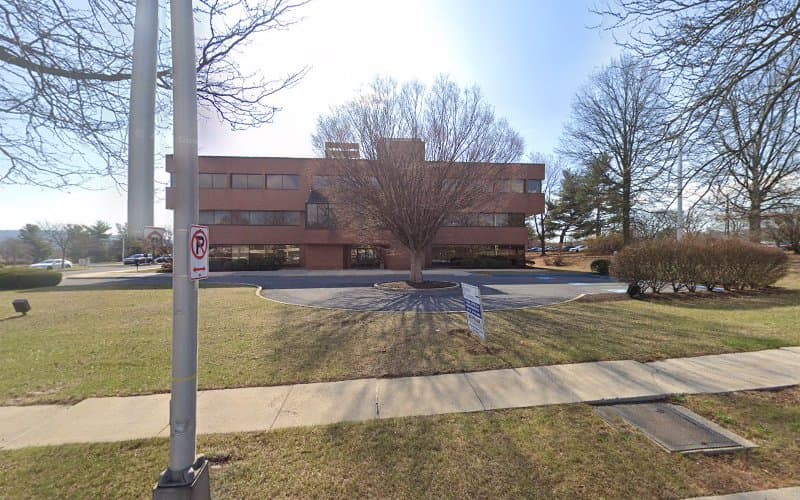
The business sits on North 3rd Street near the civic and commercial core of the city, within walking distance of Penn Street and the surrounding government and courthouse district. For clients arriving by car, the location is a short drive from the Route 422 and Route 61 approaches into the city. For those who rely on transit, downtown Reading bus routes put the office within reach of most neighborhoods in the city.
Tax Preparation Services
Tax work is the service most people associate with G L Public Services Financial Group. The office prepares federal, Pennsylvania state and local returns, including the Berks Earned Income Tax filings that catch out many newcomers to the area. Preparers handle standard wage earner returns as well as more involved situations: itemized deductions, education credits, the Earned Income Tax Credit and Child Tax Credit, retirement distributions, rental income, investment income and self employment schedules for contractors, drivers, trades workers and other sole proprietors.
Returns are typically prepared in a sit down appointment rather than drop off only, with the preparer walking through the figures line by line and explaining what changed from the prior year. That meeting format matters for clients who want to understand why a refund grew or shrank, or who need a plain explanation of a credit phase out or a withholding adjustment. Electronic filing and direct deposit are standard, and the staff can explain realistic timelines for when the IRS and the Pennsylvania Department of Revenue tend to issue refunds in a given season.
Common tax season services include:
- Individual federal, state and local income tax returns
- Self employment and small business schedules, including expense and mileage tracking guidance
- Amended returns and prior year filings for clients catching up on missed years
- Review of IRS and state notices, with help understanding what a letter is asking for
- Guidance on withholding and estimated payments for the year ahead
- ITIN related filing questions for clients without a Social Security number
Insurance Brokerage
As an insurance broker, the firm works on behalf of the client rather than a single carrier, comparing policies and quoting coverage across multiple insurers. Brokerage work in an office of this type generally covers personal lines such as auto and homeowners or renters insurance, life insurance, and health related coverage questions, along with policies small business owners need to operate. Because Pennsylvania auto insurance involves choices that confuse many drivers, including the limited tort and full tort decision and stacking options on multi vehicle households, having a broker explain the trade offs in person is often more useful than filling out an online quote form.
The overlap between tax work and insurance is practical rather than incidental. A preparer who has just reviewed a household's income, dependents and self employment activity is well positioned to flag gaps in life coverage, discuss health insurance marketplace implications at tax time, or point out when a small business owner has outgrown a personal policy. Clients who come in for one service frequently learn about the other during the same appointment.
Financial and Business Services
Beyond returns and policies, the office functions as a general purpose financial services stop for people who do not have an accountant on retainer. Depending on the need, that can include bookkeeping support, payroll questions for very small employers, help registering a new business entity, notary related paperwork questions and general document preparation. For many clients in Reading, particularly first generation business owners and families navigating the paperwork side of American financial life for the first time, this kind of practical, in person assistance is harder to find than it should be.
The Staff and Approach
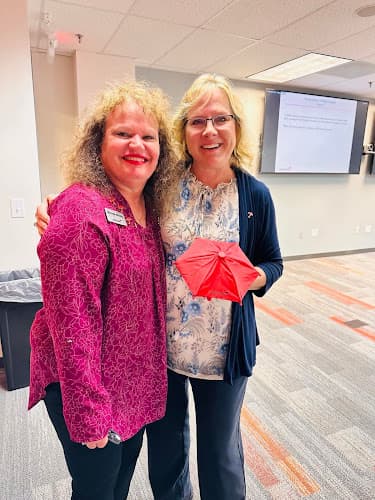
The firm is known locally for a team of long tenured preparers whom clients request by name and return to each season. Several staff members have built followings among Reading families and small business owners who schedule with the same person year after year, and the office culture leans toward explaining rather than simply processing. Questions are expected and answered, and clients who arrive anxious about an unfamiliar form or an unexpected letter generally leave with a clear sense of what happens next. Management is accessible, which matters when something needs to be sorted out after a return has been filed.
Appointments tend to move efficiently. Clients who arrive with their documents organized are often finished well within an hour, which suits workers fitting an appointment around a shift. Evening availability during the busy part of the filing season is part of the reason the office works for people who cannot take time off during business hours.
Visiting the Office
The North 3rd Street location has a wheelchair accessible entrance and a wheelchair accessible parking lot, so clients using mobility aids can reach the office without navigating steps. Appointments can be made by calling +1 610-374-9106, and calling ahead is recommended between late January and the April filing deadline, when demand peaks. Insurance and off season financial questions are easier to schedule during the quieter months, from late spring through autumn.
To make a tax appointment productive, bring photo identification, Social Security cards or ITIN letters for everyone on the return, all W-2 and 1099 forms, mortgage interest and property tax records if applicable, childcare provider information, tuition statements, records of self employment income and expenses, and last year's return if it was prepared elsewhere. Clients bringing an insurance question should bring current declarations pages so the broker can compare coverage accurately.