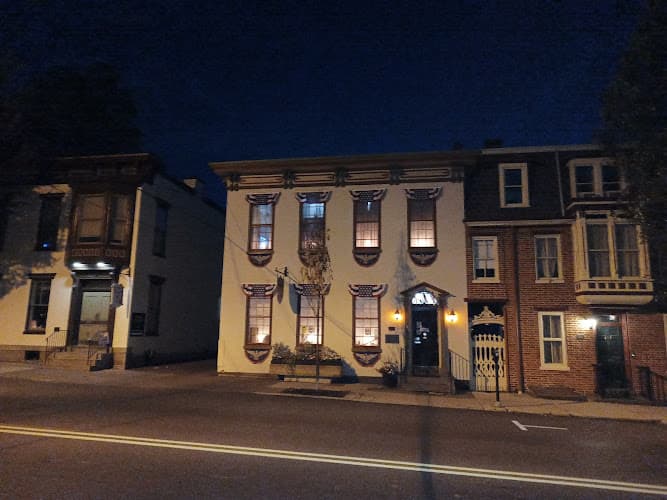
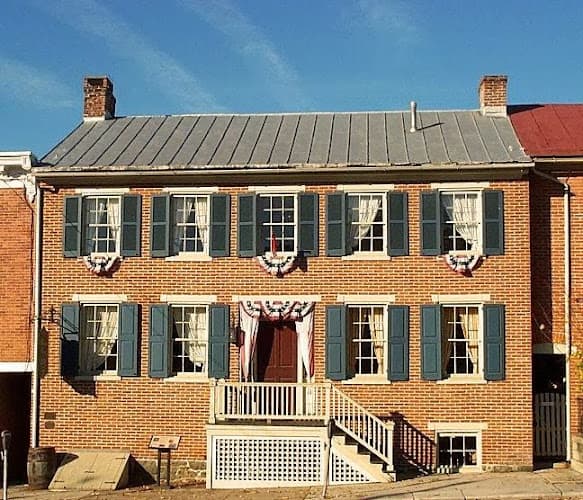
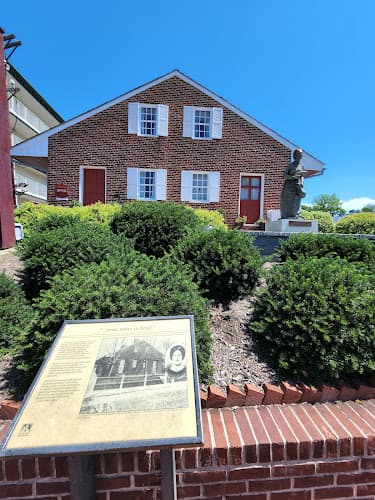
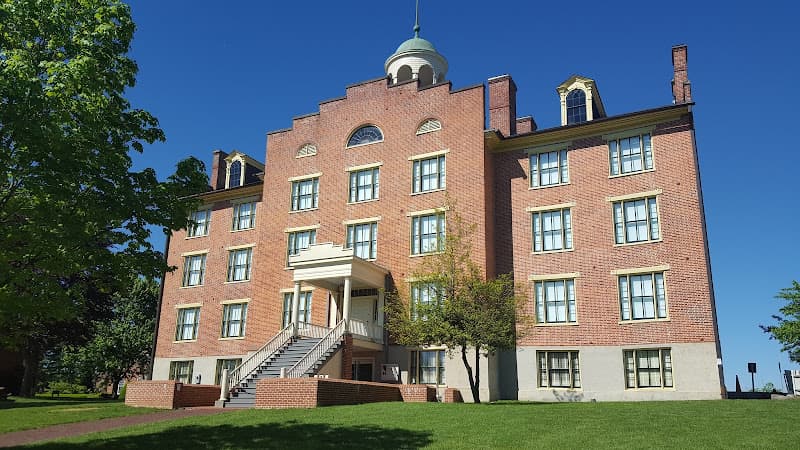
The Gettysburg Museum of History is a privately owned history museum located at 219 Baltimore Street in downtown Gettysburg, Pennsylvania. The museum operates as a free-admission institution, distinguishing itself from many contemporary museums by offering visitors access to its extensive collection without an entry fee. Donations are accepted to support ongoing operations and acquisitions. The museum occupies a building along one of Gettysburg's main commercial thoroughfares, placing it within walking distance of the town's historic district and numerous other Civil War-related sites.
Unlike the nearby Gettysburg National Military Park and its associated visitor center, which focus primarily on the 1863 battle, the Gettysburg Museum of History maintains a broader scope. Its collection spans multiple periods of American and world history, with particular depth in Civil War artifacts, World War II memorabilia, presidential history, and items connected to notable figures across various eras. This approach creates an experience that extends well beyond the battle that made Gettysburg famous.
Collection and Exhibits
The museum houses thousands of artifacts across its display space, ranging from military equipment and personal effects to documents, photographs, and items of cultural significance. The collection reflects decades of acquisition by the museum's ownership, resulting in an eclectic assembly that spans centuries of history.
Civil War materials form a substantial portion of the holdings, as would be expected given the museum's location at the site of the war's most famous battle. These include weapons, uniforms, medical equipment, personal letters, and items directly connected to soldiers who fought at Gettysburg. The collection extends beyond the battlefield to encompass broader aspects of the 1861-1865 conflict and the era surrounding it.
World War II artifacts constitute another major component of the museum's holdings. The collection includes materials related to the European and Pacific theaters, with particular emphasis on the American airborne forces that participated in operations from D-Day through the end of the war. Items connected to the soldiers of the 101st Airborne Division's Easy Company, made famous by historian Stephen Ambrose's book and the subsequent HBO miniseries "Band of Brothers," represent a notable strength of this section. Personal effects, military equipment, and documents associated with figures such as Major Richard D. Winters and other members of that unit are displayed throughout the relevant galleries.
Presidential history forms another distinct category within the museum. A dedicated exhibition space focuses on President John F. Kennedy, containing artifacts, photographs, and materials related to his life, presidency, and assassination. This section also includes items connected to Lee Harvey Oswald and the events of November 1963 in Dallas. Additional presidential materials throughout the museum cover other administrations and political figures from American history.
Beyond these primary categories, the collection includes items that reflect the museum's willingness to acquire unusual and unexpected pieces. Artifacts span entertainment history, cultural phenomena, and objects connected to notable individuals across various fields. This diversity means visitors may encounter items ranging from Hollywood memorabilia to medical curiosities to personal effects of historical figures outside the military and political spheres.
Museum Experience and Layout
The museum's interior utilizes available space intensively, with display cases and exhibits arranged throughout multiple rooms and corridors. The density of artifacts means that individual items sometimes compete for attention, requiring visitors to look carefully to appreciate the full scope of what is displayed. This approach differs from larger institutions that may dedicate substantial space to individual pieces or utilize extensive interpretive materials between objects.
Staff members and volunteer docents are present throughout operating hours to answer questions and provide context for displayed items. The museum emphasizes personal interaction as part of the visitor experience, with knowledgeable personnel available to discuss the history and provenance of artifacts. This human element supplements the written descriptions accompanying displayed pieces.
The museum offers guided tours for visitors seeking a more structured experience. These tours provide narrative context and highlight significant pieces within the collection. Tour availability and scheduling information can be obtained by contacting the museum directly.
Live performances occur at the museum periodically, adding programming beyond the static displays. These events contribute to the museum's role as an active cultural venue rather than simply a repository for historical objects.
Accessibility and Visitor Information
The facility includes wheelchair accessible parking, accommodating visitors with mobility considerations. The museum welcomes families with children, and the diverse nature of the collection provides points of interest for various age groups. A gift shop operates on site, offering items for purchase including books, reproductions, and related merchandise.
One distinctive aspect of the museum's operation involves the sale of authentic historical artifacts. Unlike most museums where all items are permanently accessioned into institutional collections, the Gettysburg Museum of History makes certain pieces available for purchase. This practice allows collectors to acquire genuine historical items while supporting the museum's operations and future acquisitions.
The museum does not operate a restaurant on premises, though its downtown location places it near numerous dining options along Baltimore Street and throughout the Gettysburg commercial district.
Media Presence and Outreach
The museum maintains a connection with "The History Underground," a YouTube channel that has featured the collection and its contents. This media presence has introduced the museum to audiences beyond those who might discover it through traditional tourism channels, generating interest among history enthusiasts who subsequently visit in person. The video content provides virtual access to portions of the collection while serving as an effective introduction to what visitors can expect on site.
Location and Context
Situated on Baltimore Street, the museum occupies a position along one of Gettysburg's primary commercial corridors. The street runs south from the town's central square, known as Lincoln Square, and was historically significant during the 1863 battle as a route of retreat for Union forces on the first day of fighting. Today it serves as a main artery for visitor traffic, lined with shops, restaurants, and attractions catering to the millions who visit Gettysburg annually.
The museum's downtown location distinguishes it from the Gettysburg National Military Park facilities, which are located south of town. This placement makes it accessible to visitors exploring the town center and provides an alternative or complement to the battlefield experience. The museum can be reached at +1 717-337-2035.
For visitors to Gettysburg seeking engagement with American history beyond the battlefield itself, the museum offers an opportunity to encounter artifacts spanning multiple eras and subjects, presented in an environment that emphasizes direct connection with historical objects and knowledgeable interpretation from staff members familiar with the collection's contents and significance.