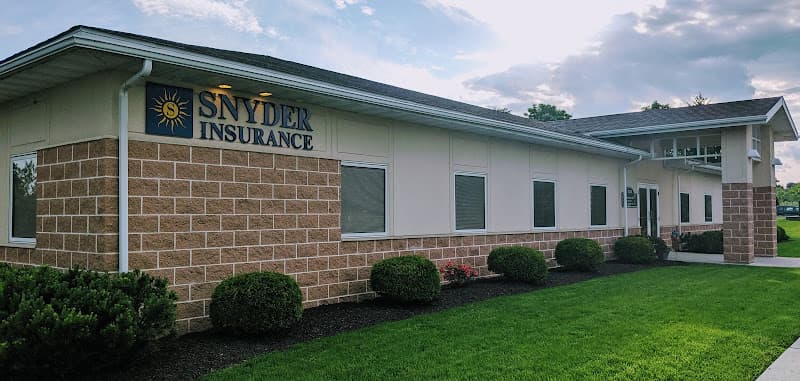
Gilbert Estimating Co. operates as an insurance brokerage firm based in Pennsylvania. The company provides intermediary services between insurance buyers and insurance carriers, helping clients navigate the complex landscape of insurance products and coverage options. As an insurance broker, Gilbert Estimating Co. represents the interests of its clients rather than any single insurance company, allowing for comparison shopping across multiple carriers to identify suitable coverage at competitive rates.
Understanding Insurance Brokerage Services
Insurance brokers serve a distinct function within the insurance industry that differentiates them from captive agents who represent only one insurance company. Brokerages like Gilbert Estimating Co. maintain relationships with numerous insurance carriers, which enables them to present clients with multiple policy options. This model allows for a more comprehensive approach to risk management, as brokers can assess client needs and match them with appropriate products from across the marketplace.
The brokerage model is particularly valuable for clients with complex insurance needs or those seeking specialized coverage that may not be readily available through standard channels. By working with an independent broker, individuals and businesses gain access to a broader selection of insurance products, including policies from regional carriers, specialty insurers, and major national companies that may offer different pricing structures or coverage terms.
Services Typically Offered by Insurance Brokerages
Insurance brokerages operating in Pennsylvania generally provide assistance across several major categories of insurance coverage. While specific offerings vary by firm, the following represents the typical scope of services available through full-service brokerages:
- Personal lines insurance including homeowners, renters, and dwelling coverage
- Automobile insurance for personal vehicles, motorcycles, and recreational vehicles
- Life insurance products ranging from term policies to permanent coverage options
- Health insurance and supplemental medical coverage
- Commercial insurance for businesses of various sizes and industries
- Professional liability and errors and omissions coverage
- Workers compensation insurance for employers
- Umbrella and excess liability policies
- Specialty coverage for unique risks or valuable assets
Beyond policy procurement, insurance brokers typically provide ongoing support services including policy review, claims assistance, and coverage adjustments as client circumstances change. This consultative approach positions brokers as long-term advisors rather than transactional salespeople.
The Pennsylvania Insurance Market
Pennsylvania maintains one of the larger insurance markets in the United States, reflecting the state's substantial population and diverse economy. The Pennsylvania Insurance Department regulates all insurance activities within the commonwealth, including the licensing and conduct of insurance brokers. Firms operating in Pennsylvania must comply with state regulations regarding disclosure, fiduciary responsibilities, and continuing education requirements for licensed personnel.
The Pennsylvania insurance landscape includes considerations specific to the region. Property insurance in Pennsylvania must account for weather-related risks including severe winter storms, flooding in certain areas, and occasional severe thunderstorm activity. Automobile insurance in the state operates under a choice no-fault system, allowing drivers to select between limited tort and full tort options, a distinction that brokers help clients understand when selecting coverage.
Commercial insurance needs in Pennsylvania reflect the state's varied economic base, which includes manufacturing, healthcare, agriculture, technology, and service industries. Businesses across these sectors have different risk profiles and insurance requirements, making the guidance of an experienced broker valuable in identifying appropriate coverage.
The Role of Estimating in Insurance
The inclusion of "Estimating" in the company name suggests a focus on the analytical aspects of insurance procurement. In the insurance context, estimating typically refers to the process of evaluating risks, calculating potential coverage needs, and projecting costs associated with various policy options. This analytical approach is particularly relevant for commercial clients and those with substantial assets requiring careful assessment.
Accurate estimating forms the foundation of appropriate insurance coverage. Underinsurance leaves clients exposed to potentially devastating financial losses, while overinsurance results in unnecessary premium expenditures. Professional estimating services help strike the appropriate balance by thoroughly evaluating exposure to various risks and recommending coverage limits that adequately protect against potential losses.
For property coverage, estimating involves calculating replacement costs, assessing building characteristics, and considering local construction costs. For liability coverage, estimating requires analysis of potential exposure based on business activities, asset levels, and industry-specific risk factors. This methodical approach to coverage determination represents a valuable service for clients seeking comprehensive protection.
Working with an Insurance Broker
The process of engaging an insurance broker typically begins with an initial consultation to assess current coverage and identify any gaps or areas of concern. During this phase, the broker gathers information about the client's assets, activities, and risk tolerance. For businesses, this may include reviewing operations, examining existing policies, and discussing future plans that might affect insurance needs.
Following the assessment phase, brokers research available options from their carrier network and present recommendations tailored to the client's situation. This presentation typically includes comparisons of coverage terms, premium costs, deductible options, and carrier financial strength ratings. Clients can then make informed decisions based on comprehensive information rather than limited choices.
Once coverage is selected, brokers handle the application and binding process, serving as the liaison between client and carrier. This intermediary role continues throughout the policy period, with brokers available to answer questions, process endorsements, and assist with claims when necessary. At renewal time, brokers typically review coverage again to ensure it remains appropriate as circumstances evolve.
Contact Information and Accessibility
Gilbert Estimating Co. can be reached by telephone at +1 610-442-7079. The 610 area code serves southeastern Pennsylvania, including portions of the Philadelphia metropolitan area and surrounding suburban and exurban communities. This region encompasses Delaware County, Chester County, Montgomery County, and parts of Berks and Lehigh counties.
Prospective clients seeking insurance brokerage services in the Pennsylvania area can contact the firm directly to discuss their coverage needs and learn more about available options. Initial consultations with insurance brokers typically involve no obligation, allowing potential clients to explore whether the firm's services align with their requirements before making any commitments.
Considerations When Selecting an Insurance Broker
When evaluating insurance brokerage services, clients should consider several factors beyond price alone. The range of carriers a broker represents affects the breadth of options available. Experience with specific types of coverage or industry sectors may be relevant for clients with specialized needs. The broker's approach to ongoing service and claims support also merits consideration, as these factors affect the long-term value of the relationship.
Verifying proper licensing through the Pennsylvania Insurance Department provides assurance that a broker meets state requirements for conducting insurance business. Licensed brokers must complete continuing education to maintain their credentials, helping ensure familiarity with current products, regulations, and industry developments.
The relationship between client and broker benefits from clear communication regarding expectations, service standards, and compensation arrangements. Understanding how a broker is compensated, whether through commissions from carriers or fees paid by clients, helps establish transparency in the professional relationship.