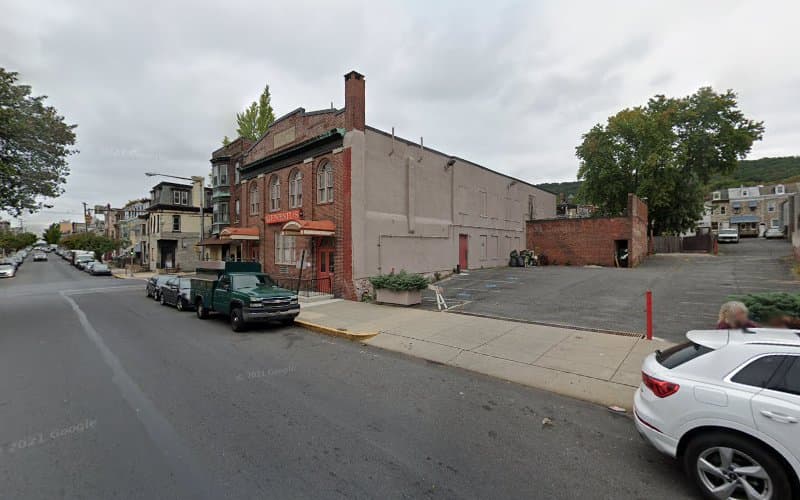
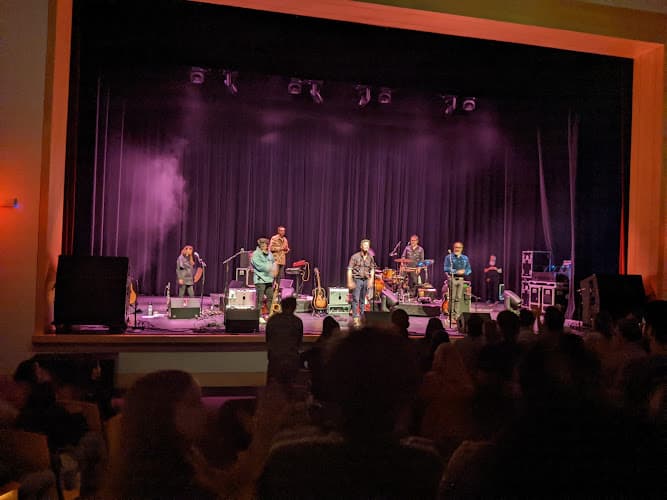
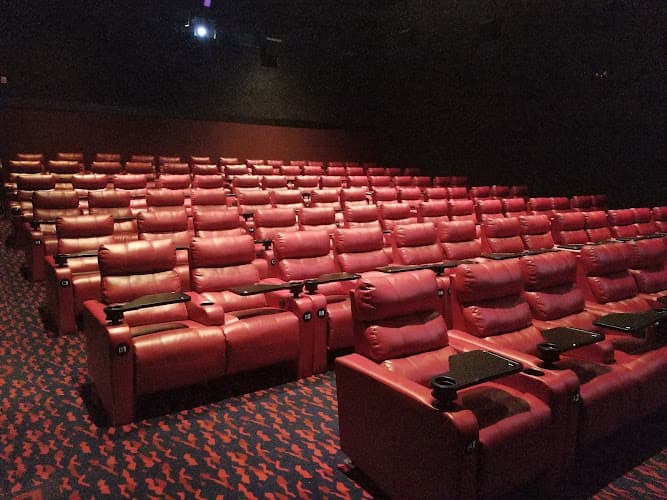
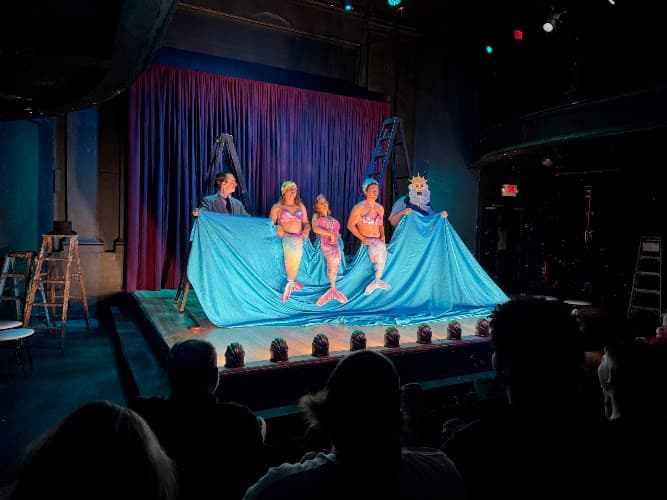
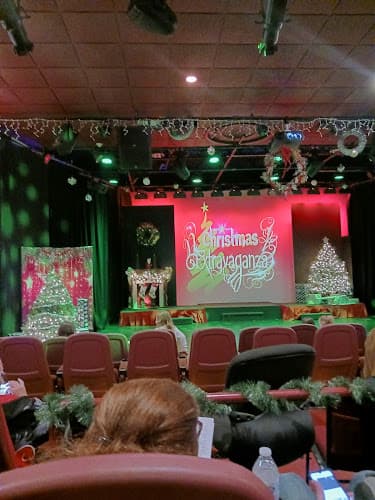
Greater Reading Alliance of Community Theatres is a performing arts organization based at 153 N 10th St in Reading, Pennsylvania. The group operates within the tradition of community theatre, the branch of live performance built around local participation rather than touring professional casts. Productions draw on actors, singers, musicians, designers, carpenters, stagehands and volunteers who live and work in Berks County, and performances are staged for audiences from Reading and the surrounding boroughs and townships.
The name reflects the organization's structure and purpose. An alliance, in this context, is a cooperative effort connecting theatre makers and theatre lovers across a region rather than a single isolated company. In Greater Reading, where several community groups, school programs, choral societies and independent producers have long shared performers, technicians and audiences, that kind of coordination has practical value. Casts frequently overlap between productions, volunteers move from one show to the next, and a shared venue gives smaller productions a place to rehearse and perform without the expense of maintaining a building of their own.
Live Performance in Downtown Reading
The 10th Street location places the theatre inside the city of Reading, within reach of downtown parking, local restaurants and the city's other cultural venues. Reading has a deep performing arts history, from the restored movie palaces and concert halls that still anchor the downtown to the church basements, school auditoriums and converted storefronts where generations of amateur companies have put on plays. Greater Reading Alliance of Community Theatres belongs to that second tradition: the working, hands on side of local theatre where the people onstage are also the people who built the set.
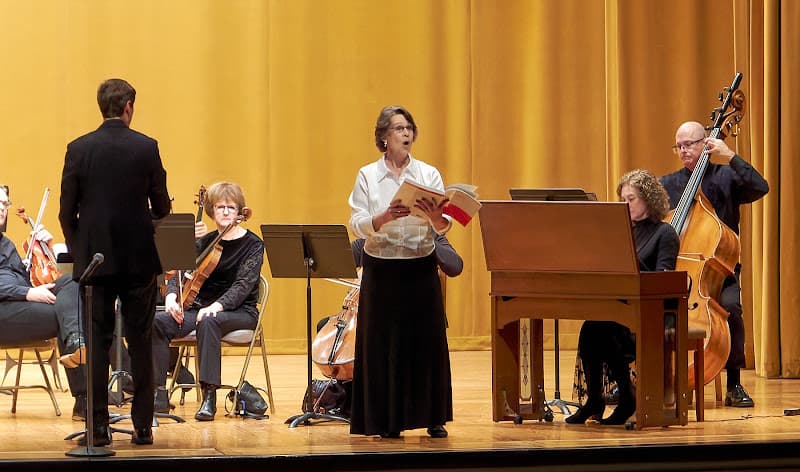
Community theatre programming typically moves across a range of material over the course of a season. Common offerings include published comedies and dramas, musicals licensed for amateur production, family oriented shows timed to school breaks and holidays, staged readings, cabaret style concerts and one act festivals. Smaller venues also lend themselves to intimate productions where the audience sits close to the performers, which changes the experience considerably compared with a large auditorium. Because schedules in community theatre are built season by season, calling ahead is the most reliable way to learn what is currently in rehearsal, what is about to open and how tickets are being handled for a specific run.
Family Friendly and Suitable for Children
The venue is listed as good for kids, which is consistent with how community theatres generally operate. Youth involvement is a central feature of the form. Children and teenagers appear in casts alongside adults, families attend together, and many young performers get their first stage experience in a local production before joining a school musical or pursuing training elsewhere. Parents considering a particular show should ask about running time, intermission and content, since community theatre seasons often mix lighthearted family titles with dramas written for adult audiences.
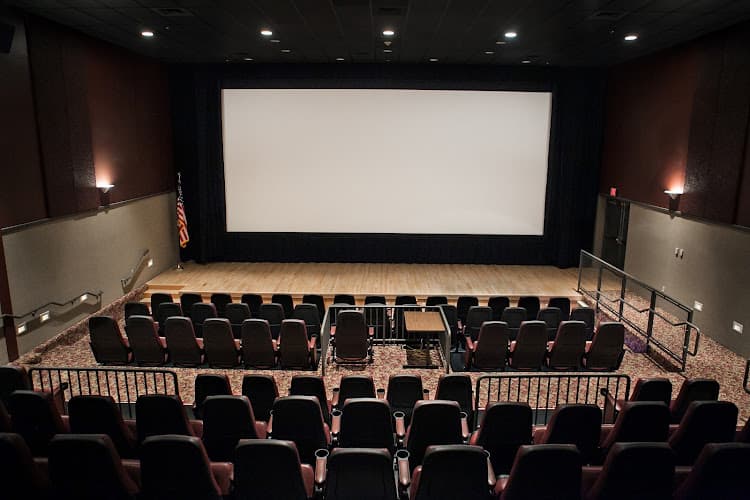
For young audience members, a small theatre has some advantages. Sightlines are close, the acting is immediate, and the scale is less overwhelming than a large commercial house. Backstage work also gives students a practical introduction to lighting, sound, costuming, props, set construction and stage management, skills that transfer to school productions and to technical careers well beyond the arts.
Accessibility and On Site Amenities
The facility includes features intended to make attendance practical for patrons with mobility needs:
- Wheelchair accessible parking lot
- Wheelchair accessible restroom
- Restrooms available on site for audiences and performers
- Live performances as the primary programming
There is no restaurant on the premises. Patrons planning a full evening out often pair a performance with a meal at one of the restaurants in downtown Reading before or after the show. Concessions at community theatres vary by production and by the volunteers available, so it is worth asking in advance if refreshments matter to your plans. Guests with specific seating requirements, including companion seating or assistance getting to a seat, are generally best served by contacting the theatre ahead of a performance so arrangements can be made before the house opens.
Getting Involved
Community theatre depends on volunteers, and organizations of this type usually welcome people with no prior stage experience. The work falls into several categories:
- Performing, through open auditions announced in advance of each production
- Technical and backstage roles including lighting, sound, running crew and stage management
- Set construction, painting and props
- Costuming, hair and makeup
- Front of house duties such as ushering, box office and concessions
- Publicity, photography, program production and administrative support
Auditions for community productions are typically open to the public and held several weeks or months before opening night. Requirements differ by show, with musicals often asking for a prepared song and a reading from the script, and straight plays usually relying on cold readings provided at the audition. Anyone interested in joining a cast or crew can call the theatre at +1 610-334-4993 to ask about upcoming auditions, rehearsal schedules and volunteer needs.
Why Local Theatre Matters in Berks County
Live theatre produced by residents has a different relationship to its audience than touring entertainment does. Ticket revenue and volunteer labor stay in the area, rehearsal and performance nights bring people into the city after business hours, and the productions themselves become a meeting point for people who might not otherwise cross paths. For many Berks County families, attending a local show is a tradition tied to a child's first role, a neighbor's performance or a favorite title returning to the stage after several years.
Organizations like Greater Reading Alliance of Community Theatres also serve as a training ground. Directors learn by directing, designers learn by designing, and performers build repertoire from production to production. That accumulated experience circulates through the region's other arts groups, strengthening school programs, church productions and independent companies alike.
Visiting
Greater Reading Alliance of Community Theatres is located at 153 N 10th St, Reading, PA 19601. The phone number is +1 610-334-4993. Because performance dates, curtain times, ticket availability and audition announcements change throughout the season, calling directly is the clearest way to confirm details before making the trip. Audiences are generally advised to arrive early enough to park, find seating and settle in before the house lights go down, particularly for opening weekends and family shows, which tend to draw the largest crowds.