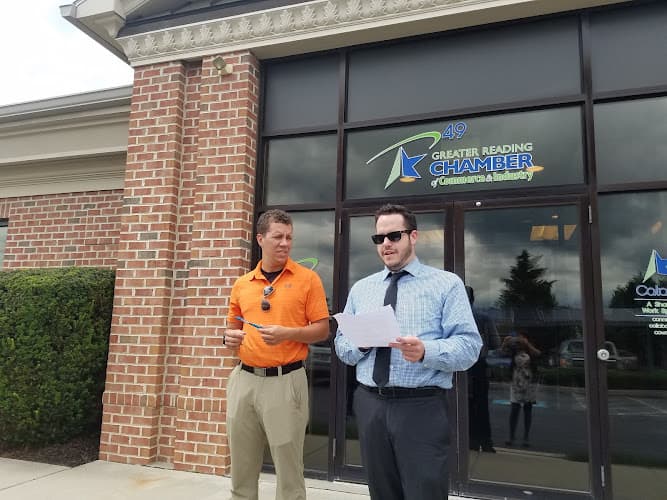
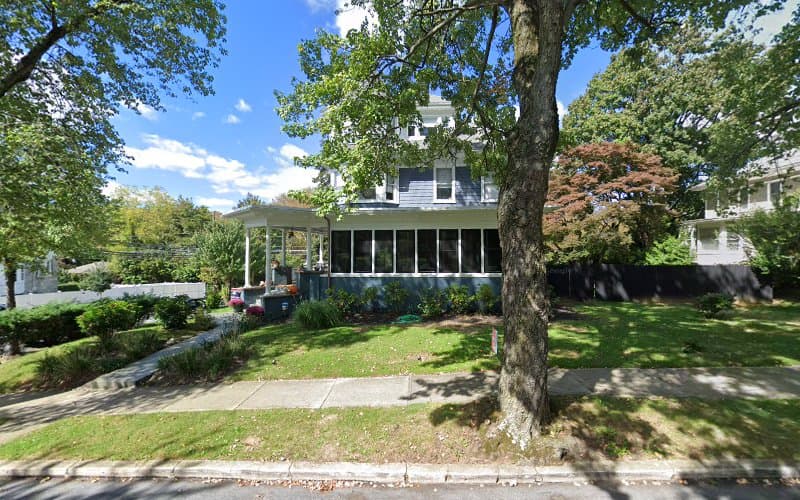
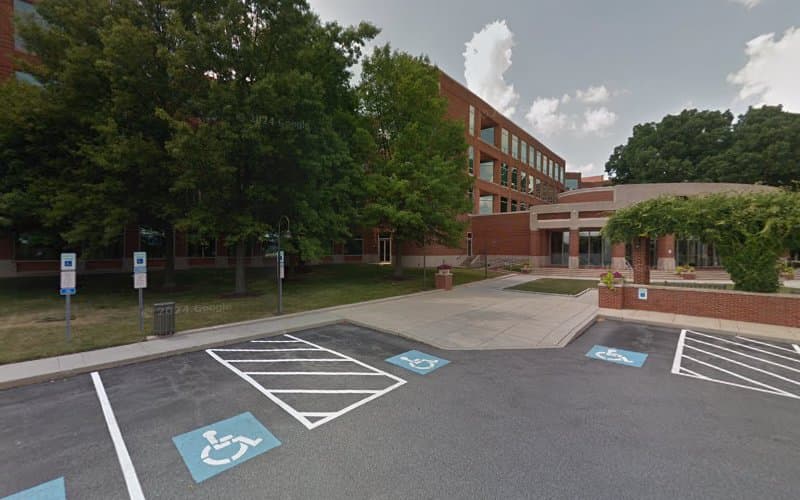
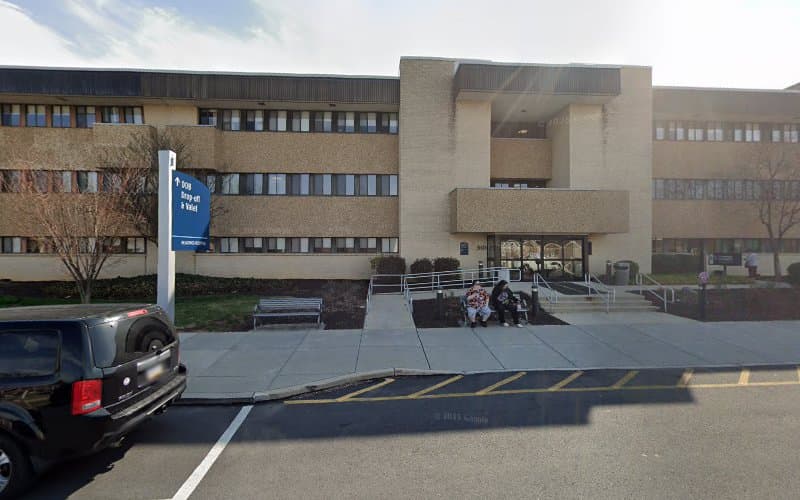
The Greater Reading Chamber of Commerce and Industry operates from a corporate office at 49 Commerce Drive in Reading, Pennsylvania, serving as a membership organization for businesses across Berks County and the surrounding region. Chambers of commerce function as voluntary associations of employers, professionals and organizations that pool resources to advocate for business interests, share information and create opportunities for members to meet one another. The Greater Reading Chamber fills that role for a regional economy that includes manufacturing, healthcare, logistics, agriculture, financial services, retail and a growing base of small and independent enterprises.
The organization can be reached by phone at (610) 365-7700. Its Commerce Drive address places it in the western part of the Reading area, in a commercial corridor with convenient access for members traveling from Wyomissing, West Reading, Sinking Spring, Shillington and the downtown business district.
What a Regional Chamber Does
Chamber work tends to fall into several broad categories, and the Greater Reading Chamber of Commerce and Industry engages in the kinds of activities that member businesses across Pennsylvania expect from a county level chamber:
- Membership services, including directory listings, referrals and member to member connections
- Networking events that bring together owners, executives and staff from different industries
- Educational programming and professional development sessions
- Advocacy on policy matters affecting employers at the local, state and federal levels
- Support and guidance for small businesses, startups and entrepreneurs
- Workforce development initiatives connecting employers with talent pipelines
- Promotion of the region as a place to locate, expand and invest
- Recognition programs and awards honoring local companies and business leaders
These functions overlap. A single event might combine a training component with time for informal conversation, and an advocacy update might double as an educational briefing on regulatory changes.
Education and Training Programming
Among the services the organization offers, its classes and educational sessions draw consistent attention from participants. Chamber training programs typically cover practical subjects that business owners and managers need but may not have in house expertise to handle. Common topics across chamber curricula include human resources fundamentals, employment law updates, marketing and social media, financial literacy and bookkeeping, leadership development, sales technique, customer service, technology adoption and strategic planning.
The appeal of chamber based training is its accessibility. Sessions are generally shorter and less expensive than university coursework, scheduled around the working day and taught by practitioners who work in the region. That last point matters: an instructor who advises Berks County employers understands local labor market conditions, regional wage pressures and the specific regulatory environment in Pennsylvania in a way that a national webinar cannot.
For small businesses in particular, this kind of programming can substitute for a training budget they do not otherwise have. A two person shop that cannot hire a compliance officer can send its owner to a session on wage and hour rules. A family business preparing for a generational transition can attend programming on succession planning. Prospective attendees should contact the office directly for the current schedule, pricing, member versus non member rates and registration details.
Networking and Member Connection
The introduction function remains central to chamber work. Businesses join in part to be visible to other businesses, and chambers organize the formats that make those introductions happen: morning coffee gatherings, evening mixers, luncheons with guest speakers, ribbon cuttings for new or expanding members, golf outings and industry specific roundtables.
In a market the size of greater Reading, these connections have practical value. A commercial printer meets a marketing agency. A staffing firm meets a manufacturer facing a hiring crunch. A bank's commercial lending team meets an owner considering an equipment purchase. Over time, sustained participation builds the kind of professional familiarity that turns into referrals and vendor relationships.
Advocacy and Regional Economic Interest
Chambers represent the collective voice of employers before elected officials and regulatory bodies. Issues that typically occupy a Pennsylvania chamber's attention include state tax policy, workers compensation and unemployment compensation costs, permitting and zoning processes, transportation infrastructure, energy costs, workforce training funding and regulatory burden on small employers.
The value of collective advocacy is straightforward. An individual small business has limited standing to influence a county or state decision. Several hundred businesses speaking through one organization carry considerably more weight, and the chamber provides the mechanism for gathering member input and translating it into testimony, position statements and direct communication with policymakers.
Facility and Accessibility
The Commerce Drive office includes restroom facilities for visitors. The building is set up to accommodate people with mobility needs, with a wheelchair accessible entrance, a wheelchair accessible restroom and wheelchair accessible parking. For an organization whose work involves hosting meetings, classes and member events, these features are functional necessities rather than amenities, ensuring that programming is open to all members and guests regardless of mobility.
Visitors planning to attend an event or meeting should confirm parking arrangements and room location when registering, particularly for larger gatherings that may be held at off site venues throughout the county.
Who Uses the Chamber
Typical chamber membership spans a wide range of organizations. In the greater Reading area, that likely includes:
- Sole proprietors and home based businesses seeking visibility and peer contact
- Professional service firms in law, accounting, insurance and consulting
- Retailers and restaurants operating in Reading and surrounding boroughs
- Manufacturers, distributors and logistics operations
- Healthcare practices and provider organizations
- Nonprofits, educational institutions and municipal entities
- Construction, trades and contracting businesses
Practical Information
Businesses interested in membership, event schedules, training registration or sponsorship opportunities can contact the office at (610) 365-7700 during standard business hours. Inquiries about programming costs, member benefits and the calendar of upcoming sessions are best directed to staff, who can explain current offerings and membership tiers.
For anyone new to operating a business in Berks County, a chamber office is a reasonable early stop. Staff at organizations of this type routinely field questions about local permitting, available support resources, regional economic data and which other organizations handle specific needs. Even for non members, that orientation can save considerable time.