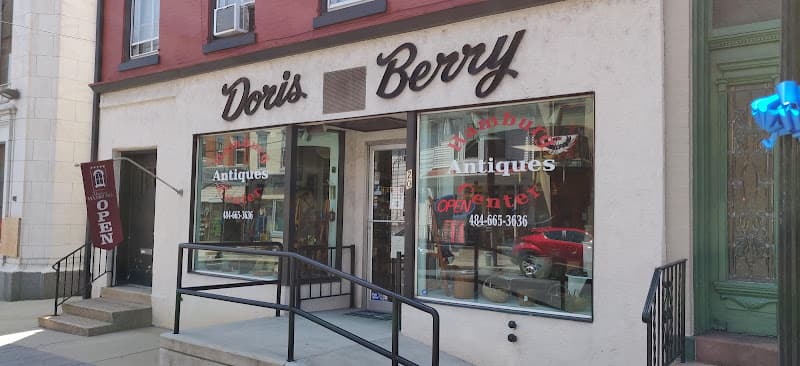
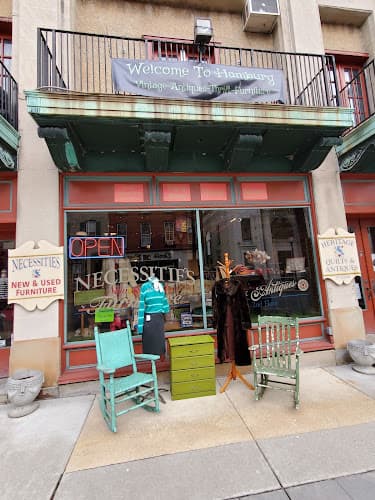
Hamburg Antiques Center, LLC is an antique store located at 20 S Fourth Street in Hamburg, Pennsylvania, in the northern part of Berks County. The shop operates as a general antiques and vintage retailer, carrying a broad range of merchandise that spans furniture, decorative glass, ceramics, jewelry, paper ephemera, advertising pieces, primitives, and smaller collectibles. It functions as a browsing destination rather than a specialty dealership, meaning visitors encounter inventory from many periods and categories within a single visit.
The business can be reached at +1 484-665-3636, and additional details are posted on its business site at hamburg-antiques-center-llc.business.site. Because antique inventory turns over continuously and no two weeks of stock are identical, calling ahead is the most reliable way to ask about a particular category, maker, or pattern before making a trip.
Location and Setting
Hamburg sits along the Schuylkill River at the base of Blue Mountain, roughly 15 miles north of Reading and a short distance from Interstate 78. The borough is best known regionally as the gateway to Hawk Mountain Sanctuary and the Appalachian Trail corridor, and its walkable downtown includes small retail shops, eateries, and service businesses concentrated along and near Fourth Street and State Street.
The store's South Fourth Street address places it within that downtown grid, which makes it convenient to combine with other errands in the borough or with a day trip through the surrounding countryside. Berks County and the neighboring Schuylkill and Lehigh counties have long supported an active antiques trade, partly because of the region's deep Pennsylvania German heritage and the volume of nineteenth and early twentieth century household goods, farm implements, tools, textiles, and folk art that have stayed in local families for generations. Shops in this part of Pennsylvania frequently source material from estates, farm sales, and auctions within a relatively small radius, which gives regional inventory a distinct local character.
What the Store Carries
The inventory at Hamburg Antiques Center covers several broad categories that collectors and casual shoppers alike tend to look for:
- Furniture, including case pieces, tables, seating, and utilitarian storage items from a range of eras and styles
- American primitives and country pieces, a category that encompasses hand made wooden objects, kitchen implements, crocks, tools, and painted surfaces
- Pressed, blown, and decorative glassware, including recognizable collector categories such as Fenton, carnival glass, and uranium or Vaseline glass, the latter identifiable by its fluorescence under ultraviolet light
- Ceramics and dinnerware, from individual teacups and serving pieces to matched tea and table sets
- Estate and costume jewelry
- Advertising and paper collectibles such as paperweights, tins, signage, and printed material
- Folk art and decorative objects
- Smaller vintage household items and curiosities that fill out a display and make lower priced purchases possible
Novelty and single purpose Victorian and Edwardian objects turn up in shops of this type, and Hamburg Antiques Center is known for stocking them. Mustache cups, specialized serving vessels, sewing and household gadgets, and purpose built furniture such as silver chests and flatware tables are examples of the kind of merchandise that rarely appears in modern retail and generally has to be found secondhand.
Character of the Business
The shop is family operated, and the people behind the counter are also the people who buy, price, and arrange the stock. That structure has practical consequences for shoppers. Questions about age, origin, maker marks, patterns, materials, or condition can usually be answered on the spot rather than referred elsewhere, and pricing conversations happen directly with the decision makers. Shoppers interested in the background of a piece, including how it was used or what regional tradition it came from, will find the setting conducive to that kind of discussion.
The store is arranged with an emphasis on visibility and circulation. Rather than the densely packed, stacked presentation common to some antique malls, merchandise is set out in defined displays with room to move between them. Glass and small collectibles are grouped so that patterns and colors can be compared side by side, and furniture is positioned where it can be examined from multiple angles and opened or measured. For buyers who need to check dimensions, look for repairs, or evaluate a finish before committing, that presentation style is a meaningful advantage.
Inventory refreshes regularly, which is why the shop draws repeat local traffic as well as travelers. Collectors who track a specific category often stop in on a routine basis for that reason, since the arrival of new stock is unpredictable by nature and the best pieces in any given category tend to sell quickly.
Practical Information for Visitors
A few points are worth knowing before a first visit:
- Hours include Mondays, which is notable in the antiques trade. Many independent shops and multi dealer malls in the region close early in the week, so Monday availability opens up a planning option that is otherwise limited. Confirming current hours by phone or on the business site is still recommended, especially around holidays.
- Larger purchases such as furniture require transportation planning. Measuring doorways, stairwells, and vehicle cargo space in advance saves a return trip, and it is reasonable to ask about holding a piece briefly while arrangements are made.
- Prices are marked, and the general regional custom of asking about a piece is accepted practice, particularly on multiple item purchases.
- Collectors of uranium glass often bring a small ultraviolet flashlight, which is standard procedure for verifying that category.
- Street level access in a downtown borough setting means on street parking nearby. Weekday visits are typically the quietest time to browse at length.
- Because stock is single item and not reorderable, shoppers who see something they want are generally advised to decide during the visit.
Who the Shop Serves
The customer base reflects the mix of inventory. Serious collectors come for depth in specific categories such as art glass and primitives. Homeowners and renovators come for period appropriate furniture, hardware, lighting, and decorative objects for older houses, of which Hamburg and the surrounding boroughs have many. Interior decorators and vintage resellers source pieces that cannot be duplicated new. Gift buyers use the shop for jewelry, small china, and unusual objects that carry more interest than mass produced alternatives. Travelers heading to Hawk Mountain, Cabela's, the Appalachian Trail, or the Blue Mountain recreation areas frequently add an antiquing stop to the itinerary.
For anyone building a route through Berks County's antiques shops, Hamburg Antiques Center works well as an anchor stop given its downtown location, its range across price points, and the fact that it is open on a day when several alternatives are not.