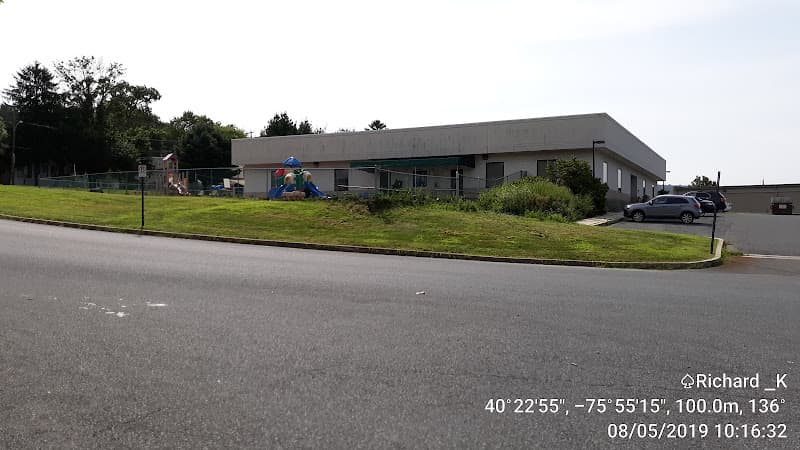
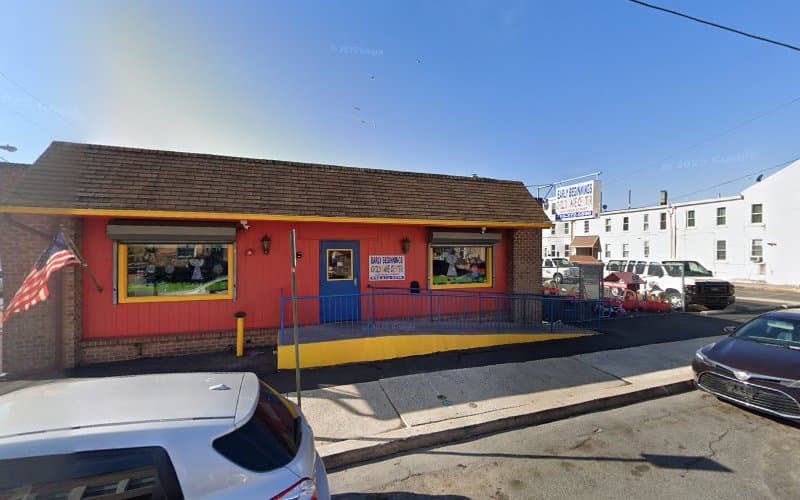
Hamburg Head Start Center is a preschool program located at 3570 Old U.S. 22 in Hamburg, Pennsylvania, in the northern portion of Berks County. The center provides early childhood education for young children and support services for their families, operating within the framework of Head Start, the federally funded early learning program that has served low income households in the United States since 1965. The center can be reached by telephone at +1 610-562-0433.
Programs of this type occupy a specific place in the local education landscape. They are not private daycare businesses in the conventional sense, nor are they part of the public school district. Instead, they function as comprehensive child development programs that combine classroom instruction with health screenings, nutrition services, disability support and direct engagement with parents and guardians. Families in Hamburg, Shoemakersville, Tilden Township, Port Clinton, Windsor Township and the surrounding communities of northern Berks County are among those the center is positioned to serve.
The Head Start Model
Head Start was established as part of a broader national effort to address the effects of poverty on childhood development. The premise underlying the program is that school readiness depends on more than academic instruction alone, and that health, nutrition, family stability and social and emotional development all contribute to how prepared a child is to enter kindergarten. Centers operating under the Head Start umbrella are therefore expected to address each of these domains rather than concentrate solely on letters and numbers.
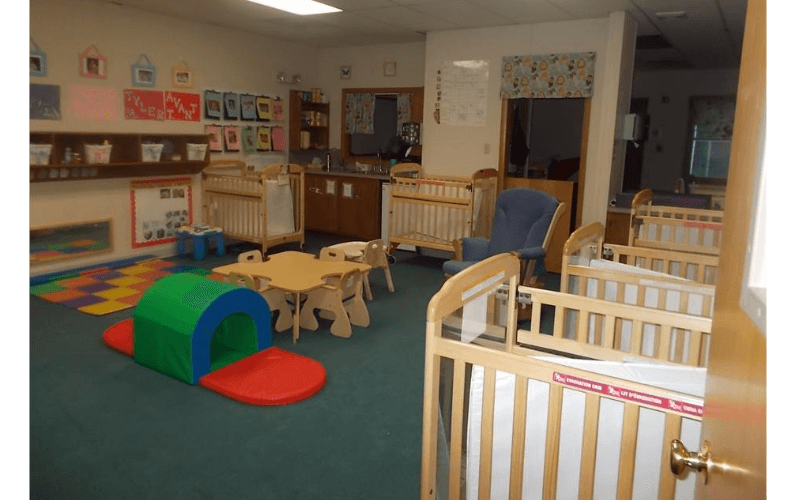
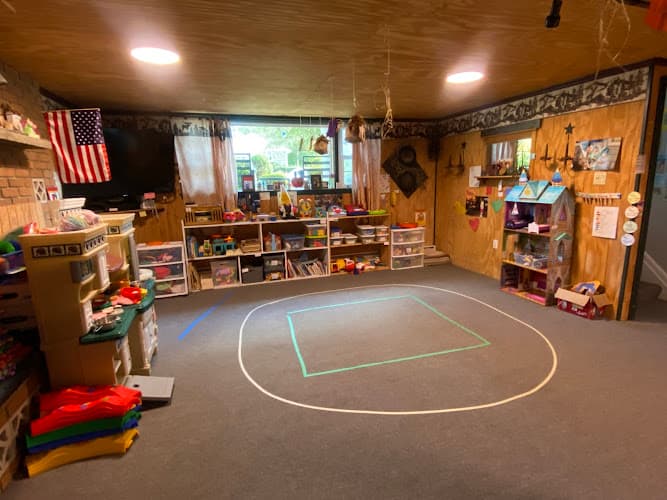
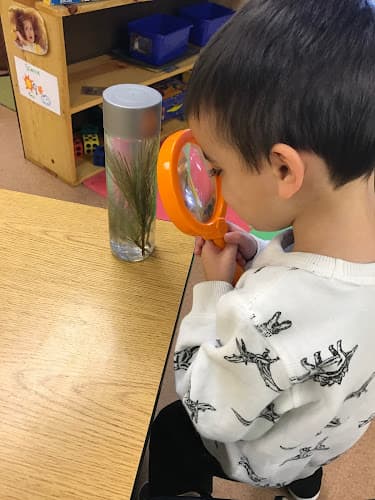
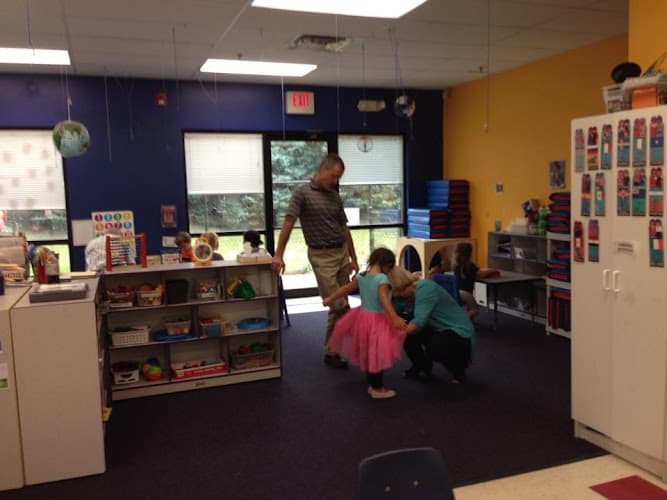
In practice, this means that a Head Start classroom typically includes structured learning time alongside significant periods of child directed play, small group activity and outdoor movement. Teachers document each child's progress against developmental milestones and adjust instruction accordingly. Programs follow the Head Start Early Learning Outcomes Framework, a federal set of standards covering language and literacy, early mathematics, scientific reasoning, social studies, creative arts, physical development and approaches to learning.
Head Start programs are also required to meet performance standards governing staff qualifications, classroom ratios, facility safety, meal service and family engagement. These standards are set at the federal level and are monitored through periodic review, which means that a center in Hamburg is operating under the same core expectations as a center in Philadelphia or Pittsburgh.
Location and Access
The center sits along Old U.S. 22, the former alignment of the highway that runs east to west across the northern edge of Berks County. The current U.S. Route 22 and Interstate 78 corridor lies nearby, giving the site reasonable connectivity for families commuting from a wider radius, including households in the Hamburg Area School District and neighboring rural townships. Hamburg itself is a borough on the Schuylkill River, positioned near the Blue Mountain ridge and known regionally as a gateway to Hawk Mountain Sanctuary and the Appalachian Trail.
The facility offers a wheelchair accessible entrance and a wheelchair accessible parking lot. This matters for families who use mobility devices themselves, for grandparents and other caregivers handling pickup and drop off, and for children with physical disabilities. Head Start programs nationally are required to reserve a portion of enrollment slots for children with diagnosed disabilities, and accessible facilities are a practical component of meeting that obligation.
Eligibility and Enrollment
Head Start enrollment is governed by federal eligibility rules rather than by open market registration. Families interested in the Hamburg center should contact the program directly to discuss current criteria, but the general structure works as follows:
- Preschool Head Start typically serves children ages three to five, with Early Head Start programs (where offered) serving infants, toddlers and pregnant women.
- Income eligibility is generally tied to the federal poverty guidelines, with priority given to families at or below that threshold.
- Children in foster care, children experiencing homelessness and families receiving public assistance such as TANF or SSI are commonly categorically eligible regardless of income calculation.
- A percentage of enrollment is reserved for children with identified disabilities or developmental delays.
- Programs may enroll a limited number of children from families above the income threshold when slots remain available.
Applications usually require documentation such as proof of income, the child's birth certificate, immunization records and proof of residence. Because slots are limited and waiting lists are common in many communities, families are generally advised to inquire well before the start of the program year.
Services Beyond the Classroom
One of the defining features of the Head Start model is the range of services provided alongside instruction. Centers typically coordinate or directly provide the following:
- Health and developmental screenings, including vision, hearing, dental and general wellness checks, with referrals to outside providers when follow up care is needed.
- Nutritious meals and snacks served during program hours, often supported through federal child nutrition programs, with menus designed to meet dietary guidelines.
- Individualized support for children with disabilities, developed in coordination with local early intervention services and school district personnel.
- Family services, which may include help connecting with housing assistance, medical coverage, employment resources, adult education and other community programs.
- Parent education opportunities and regular conferences or home visits that keep caregivers involved in a child's learning plan.
Parent participation is a structural element of Head Start rather than an optional add on. Programs maintain policy councils that include enrolled parents, giving families a formal voice in decisions about program operations, budgets and personnel.
Preparing for Kindergarten
A central goal of the program is a smooth transition into the public school system. For Hamburg families, that generally means the Hamburg Area School District, though children may move on to other districts depending on where the family lives. Head Start staff commonly work with receiving schools to share developmental records, coordinate on individualized education plans where applicable and familiarize children with the routines they will encounter in a kindergarten classroom.
Practical Information
Because Head Start programs follow an academic year calendar and operate on schedules that can vary by site and by classroom (full day, part day or home based options are all used across the national network), families should call ahead to confirm hours, transportation availability, current openings and the specific documents required for an application. The center's telephone number, +1 610-562-0433, is the most direct point of contact for enrollment questions, tours and information about the program year.