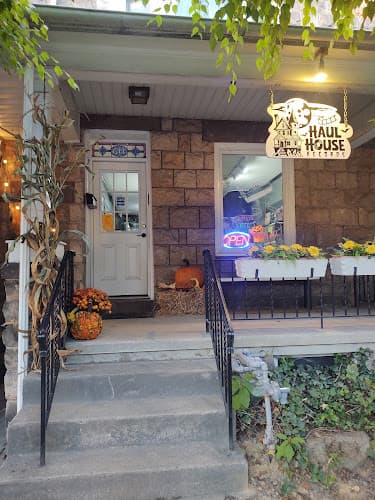
Hidden Valley Treasures is an antiques and collectibles dealer located at 740 Noble St in Kutztown, Pennsylvania, 19530, in the heart of Berks County. The business has operated for roughly three decades, buying and selling a broad mix of vintage and antique merchandise that spans paper ephemera, military and hunting items, toys, kitchenware, glass, textiles, jewelry, records, primitives, and framed artwork. Rather than specializing narrowly in one category, the shop maintains a general line inventory, the kind of varied stock that rewards browsing and that tends to change as pieces are acquired and sold.
A Long Standing Presence in Kutztown
Thirty years is a considerable run in the antiques trade, a field that has weathered significant change since the mid 1990s. Dealers who have lasted that long typically built their business on steady local sourcing, repeat relationships with collectors, and a working knowledge of what sells in their region. Hidden Valley Treasures has been part of the Kutztown area antiques scene through the rise of online marketplaces, the shifting tastes that moved collector interest from formal furniture toward mid century design and utilitarian goods, and the renewed attention paid to American primitives and farm country material culture.
The location matters here. Kutztown sits in the middle of Pennsylvania German country, between Allentown and Reading, an area with deep roots in folk art, farm life, and traditional craft. The borough is home to Kutztown University and is widely known for the long running Kutztown Folk Festival, which draws visitors interested in Pennsylvania Dutch heritage, quilts, and handmade goods. The surrounding region also supports one of the largest concentrations of antique markets, co ops, and extravaganzas in the eastern United States, which means serious collectors routinely travel through the area on buying trips. A shop with three decades of history in this environment has had access to estates, farm dispersals, and household contents from families who have lived in the same townships for generations.
What the Shop Carries
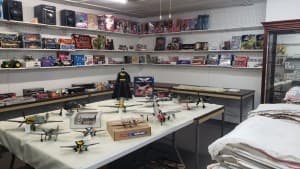
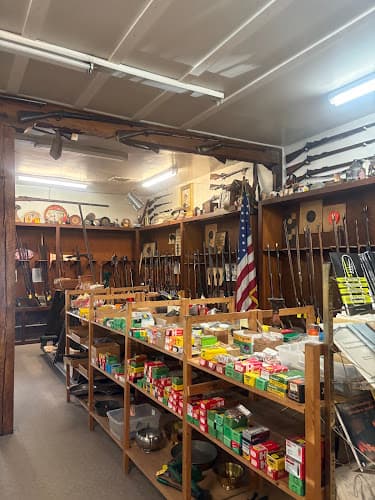
The inventory at Hidden Valley Treasures covers a wide spread of categories. Based on the shop's own description of its stock, visitors can expect to find items in the following areas:
- Ephemera, meaning the paper goods that were never meant to survive, such as postcards, trade cards, advertising, photographs, documents, catalogs, and printed material
- Military items and related memorabilia
- Hunting and sporting collectibles
- Vintage and antique toys
- Kitchenware, including utensils, gadgets, and serving pieces from earlier eras
- Pyrex, the colored and patterned American glass bakeware that has become one of the most actively collected categories of twentieth century kitchen goods
- Linens and textiles
- Jewelry, both costume and older pieces
- Records
- Primitives, the hand made and early utilitarian objects associated with American farm and household life
- Framed prints and wall art
That list reflects a dealer comfortable in several different collecting worlds at once. Ephemera and primitives appeal to history minded buyers and researchers. Pyrex, kitchenware, and records attract a younger audience that collects by pattern, color, label, or pressing. Military and hunting items draw specialists who often know exactly what they are hunting for. Jewelry and linens tend to sell to decorators, crafters, and people furnishing a home with older materials rather than new reproductions.
Buying as Well as Selling
Hidden Valley Treasures both buys and sells, which is an important detail for anyone in the area who has inherited a household, is downsizing, or is clearing out a property. Dealers who buy actively are a practical resource for people who are not sure what they have and would rather not sort through an online selling process item by item. A shop of this type will generally be interested in single pieces, groupings, box lots, and in some cases larger quantities, depending on category and condition. Because the business handles so many different kinds of material, it may be able to consider a mixed accumulation rather than only the one or two highest value items in a house.
Anyone considering selling should plan to contact the shop first to discuss what they have, since buying interest varies by category, current inventory, and condition. Photographs are usually helpful in that conversation.
What Makes the Shop Distinctive
Two things stand out. The first is longevity. Three decades of continuous operation in the same market means an established reputation among local collectors and other dealers, and a sense of regional pricing that comes only from years of watching what actually sells in Berks County and the surrounding counties. The second is range. A shop that stocks military items alongside Pyrex, records alongside primitives, and ephemera alongside jewelry is set up for discovery rather than for a single targeted purchase. Buyers who enjoy searching, comparing, and turning something over before deciding will find that format suits them.
General line shops like this one also serve a practical function in the antiques ecosystem. They are where estate material first reaches the public, and where specialists often go to find pieces that have not yet been picked over or priced to a national market.
Practical Information for Visitors
The shop is located on Noble Street in Kutztown, within easy reach of Route 222 and the corridor linking Reading and Allentown. Kutztown is also a short drive from Fleetwood, Topton, Maxatawny, Lyons, Krumsville, and Hamburg, and it is a reasonable day trip from Lehigh Valley communities including Emmaus, Macungie, and Breinigsville.
No public phone number or website is listed for the business in the directory information available, so visitors are advised to plan around a trip to the shop itself or to look for current listing details through local antique association directories, which is where the business publishes its category list. Hours for independent antiques shops frequently expand during festival weekends and major regional market dates and may be reduced at other times of year, so confirming before a long drive is sensible.
A few suggestions for anyone visiting an inventory driven shop like this one: bring measurements if you are shopping for a specific space, allow more time than you expect for browsing, and ask questions. Dealers with thirty years of experience often know the provenance of a piece, the regional history behind it, or where a similar example turned up last season, and that information is part of what distinguishes a shop visit from an online purchase.