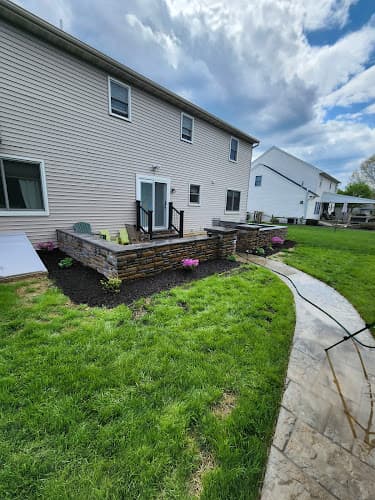
Hollenbach Construction Inc is a general contracting firm based at 166 Holly Rd in Boyertown, Pennsylvania. The company operates in the construction trades as a general contractor, meaning it takes responsibility for organizing and delivering building projects from the planning stage through to completion, coordinating the various trades, materials and schedules that a finished structure requires. The business serves the Boyertown area of Berks County and the surrounding communities of southeastern Pennsylvania, a region that includes a mix of agricultural land, small boroughs, light industry and growing residential development.
As a general contractor, the firm occupies a role that sits between the owner of a project and the many specialists who contribute to it. That includes site work and excavation crews, concrete and foundation contractors, framing carpenters, roofing and siding installers, electricians, plumbers, mechanical contractors, and finish trades. The general contractor is typically the party that holds the primary contract with the client, secures or coordinates permits, schedules inspections, manages subcontractors, orders materials and maintains responsibility for safety and quality on the job site.
Location and Service Area
Boyertown sits in the eastern portion of Berks County, close to the Montgomery County and Chester County lines. The borough and the townships around it, including Colebrookdale, Douglass, Earl and Washington, have long combined farmland with small manufacturing and commercial corridors. Contractors working in this area commonly take on projects across a broad radius, since population centers such as Pottstown, Gilbertsville, Bally, Bechtelsville, Barto, Oley, Birdsboro and Reading are all within a reasonable drive.
The Holly Road address places the business outside the densest part of the borough, on a route that allows for the yard space, equipment storage and material handling that construction operations generally require. Clients considering a visit should call ahead, as contracting firms often keep staff in the field during working hours and may prefer scheduled appointments for consultations, estimates and plan reviews.
Types of Work a General Contractor Handles
General contracting in a region like eastern Berks County typically spans several building categories. While the specific mix of work any individual firm takes on varies by season and by client demand, the broad categories commonly include the following:
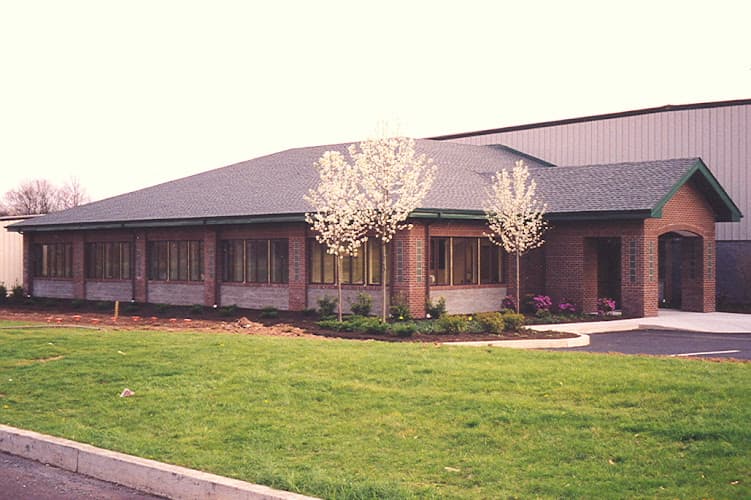
- Commercial construction, including retail buildings, offices, service facilities, warehouses and light industrial space
- Agricultural construction, an enduring need in a county with a substantial farming base, covering storage buildings, equipment sheds, livestock facilities and related structures
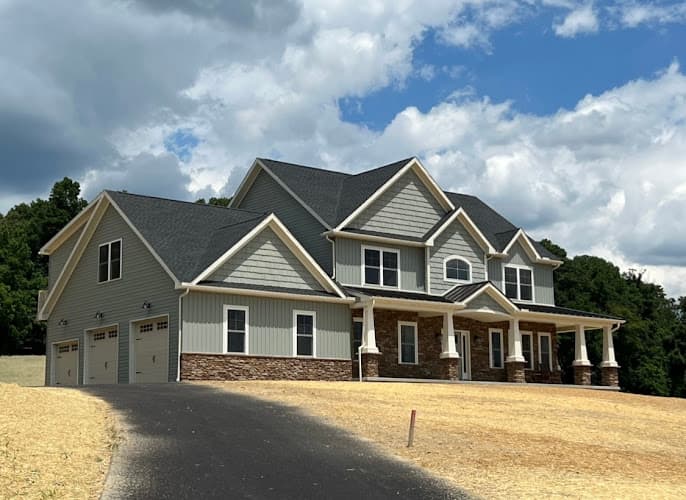
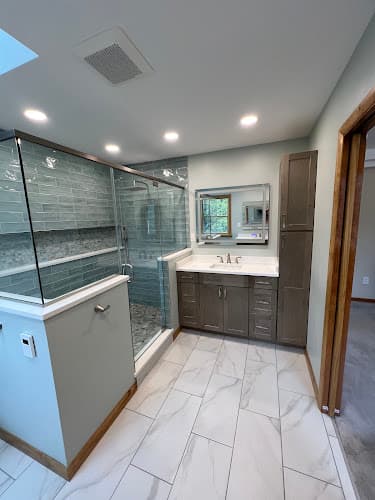
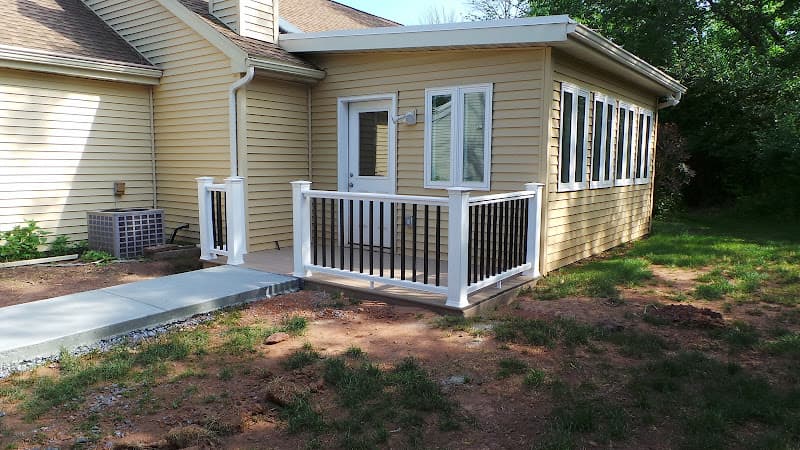
- Residential construction, including new homes, additions, garages and substantial remodeling projects
- Renovation and adaptive reuse of existing buildings, which is common in an area with a significant stock of older structures
- Site preparation and coordination of utilities, drainage and access
- Repairs, expansions and phased improvements for existing owners and tenants
Prospective clients are encouraged to contact the office directly to confirm which of these categories the company currently handles and to discuss whether a particular project fits the firm's scope and scheduling.
How Projects Typically Proceed
Most construction projects follow a recognizable sequence, and understanding it can help owners prepare for their first conversation with a contractor. The process usually begins with an initial consultation in which the owner describes the intended use of the building, the approximate size required, the site under consideration and the general budget range. From there, the contractor may prepare preliminary drawings or work with an architect or engineer, depending on the complexity of the structure and what local code requires.
Once a design direction is settled, a more detailed estimate follows. In Pennsylvania, projects generally require permits issued through the local municipality, with plan review against the Pennsylvania Uniform Construction Code. Depending on the location and the nature of the work, additional approvals may involve zoning hearing boards, stormwater management review, sewage planning, highway occupancy permits for new access points, or conservation district review for earth disturbance. A general contractor familiar with the municipalities in and around Boyertown can help an owner anticipate which of these steps will apply.
Construction itself moves through site work, foundations, structural framing or erection, enclosure with roofing and siding, mechanical and electrical rough in, insulation, interior finishes and final inspections. The contractor coordinates the sequence so that trades arrive in the right order and materials are on site when needed. Weather, material lead times and inspection schedules all influence the timeline, and owners in the region should expect winter conditions to affect concrete work and site grading in particular.
Practical Information for Visitors and Clients
The business can be reached by telephone at +1 610-367-4200, and additional information is published on the company website at hollenbach.com. The website is a useful first stop for anyone wanting to review project categories, see examples of completed buildings or find current contact details for specific departments.
According to the information listed for the location, the property offers a wheelchair accessible entrance and a wheelchair accessible parking lot. That matters for clients who visit the office in person for design meetings, contract signings or material selections, since construction offices are not always housed in buildings that accommodate mobility devices. Visitors with specific access needs may still wish to call in advance so staff can direct them to the most convenient parking and entry point.
Preparing for a Consultation
Owners generally get more useful guidance from a first meeting when they arrive with certain information in hand. Helpful items include:
- The property address and parcel information, along with any survey or site plan already on file
- A clear description of how the finished space will be used, including equipment, vehicle access and storage needs
- Approximate square footage or dimensions, even as a rough target
- Any zoning information already obtained from the municipality
- A realistic budget range and a desired timeframe for occupancy
- Photographs of existing conditions when the project involves renovation or expansion
Role in the Local Building Landscape
Firms of this kind form part of the practical infrastructure of a rural and suburban county. They build the barns and shops that keep farms running, the storefronts and service buildings that support local commerce, and the homes and additions that accommodate growing families. Because the work is long lived and highly visible, reputation within a regional market tends to be built slowly and through repeat clients, referrals and the ordinary evidence of buildings that continue to perform years after they were completed. Anyone evaluating a contractor in this market is well served by asking about licensing and insurance, requesting references for comparable projects, and reviewing a written contract that defines scope, allowances, payment schedule and change order procedures before work begins.