Ivy Rehab for Kids is a pediatric therapy clinic located at 451 W Ridge Pike, Suite 479, in Limerick, Pennsylvania. The practice provides outpatient therapy services for infants, toddlers, school-age children, and adolescents, with speech-language pathology, physical therapy, and occupational therapy delivered under one roof. The clinic can be reached by phone at +1 484-369-8953, and appointments are required, with families encouraged to call ahead to schedule evaluations and ongoing treatment blocks.
The Limerick location is part of the Ivy Rehab Network, a group of outpatient therapy clinics operating across multiple states in the eastern and midwestern United States. The pediatric arm of the network, branded as Ivy Rehab for Kids, operates clinics designed specifically for children rather than adapting adult rehabilitation spaces for younger patients. That distinction shapes everything from the equipment on the treatment floor to the way sessions are structured and paced.
Speech-Language Pathology Services
Speech therapy is a core service at the Limerick clinic. Licensed speech-language pathologists evaluate and treat a broad range of communication and feeding concerns in children, including:
- Expressive language delays, including limited vocabulary and difficulty combining words
- Receptive language difficulties, such as trouble following directions or understanding questions
- Articulation and phonological disorders that affect speech clarity
- Childhood apraxia of speech and other motor speech disorders
- Fluency concerns, including stuttering
- Social and pragmatic language skills
- Feeding and swallowing difficulties, including oral motor weakness and restricted diets
- Augmentative and alternative communication for children who are minimally verbal
Evaluations typically begin with a parent interview and a standardized or play-based assessment appropriate to the child's age. From there, the therapist develops measurable goals and a recommended frequency, which may range from once a week to several sessions weekly depending on the diagnosis and the child's response to treatment. Progress is reviewed periodically and goals are revised as skills develop.
Physical Therapy
Pediatric physical therapists at the clinic address gross motor development, strength, balance, coordination, and gait. Common reasons families are referred include torticollis and plagiocephaly in infants, delayed milestones such as sitting, crawling, or walking, toe walking, hypotonia, coordination difficulties, sports injuries in older children, and post-surgical rehabilitation. Therapists also work with children who have neurological and genetic diagnoses, including cerebral palsy, Down syndrome, and spina bifida, and they coordinate care with orthotists and orthopedic physicians when bracing, casting, or serial casting is part of a child's treatment plan.
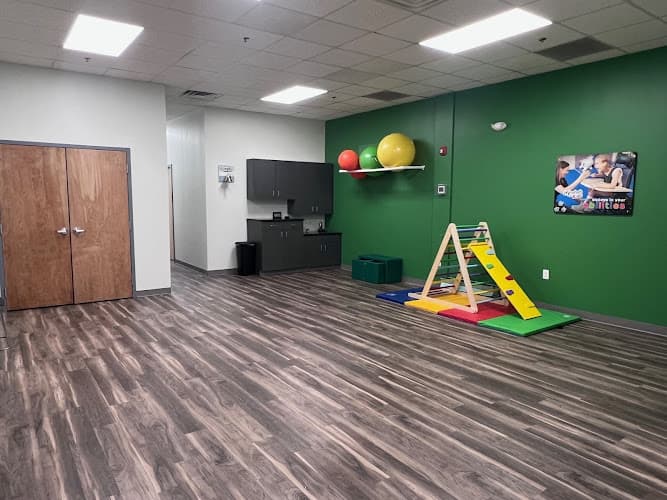
Sessions are built around functional goals: climbing stairs safely, keeping up with peers on the playground, riding a bike, or moving through a school building independently. Equipment on the treatment floor is sized for children and includes climbing structures, swings, balance tools, therapy balls, and open floor space for gait and movement work.
Occupational Therapy
Occupational therapy at the clinic focuses on the daily activities that occupy a child's time: self-care, play, learning, and social participation. Therapists address fine motor skills and handwriting, sensory processing and regulation, visual motor integration, bilateral coordination, feeding and mealtime behavior, dressing and grooming, and executive function skills such as attention, sequencing, and transitions. Children with autism spectrum disorder, ADHD, developmental coordination disorder, and sensory processing differences are frequently seen for occupational therapy, as are children recovering from injury or managing chronic conditions that affect hand function.
Approach to Treatment
The clinic uses a play-based model, meaning therapeutic goals are embedded in games, obstacle courses, sensory activities, and structured play rather than drilled in isolation. This approach is widely used in pediatrics because young children engage more readily and sustain attention longer when the work does not feel clinical. Therapists adjust activities session by session based on a child's energy, mood, and tolerance, which is particularly important for children with sensory sensitivities or anxiety around medical settings.
Parent and caregiver involvement is built into the model. Therapists explain the purpose of each activity, demonstrate techniques, and send families home with exercises and strategies to reinforce between visits. Because therapy sessions typically account for only a small portion of a child's week, carryover at home is generally considered a significant factor in the pace of progress. The team also communicates with schools, early intervention programs, pediatricians, and specialists when coordination supports a child's goals.
Multidisciplinary care is available for families whose children need more than one service. A child receiving speech therapy and occupational therapy, for example, can often be scheduled so that both disciplines are addressed in a single trip, and therapists within the building can consult with one another about shared goals such as attention, communication during mealtimes, or motor planning.
Location and Facility
The clinic sits along West Ridge Pike in Limerick, Montgomery County, within a commercial corridor that serves Limerick Township and surrounding communities including Royersford, Spring City, Collegeville, Trappe, Pottstown, Schwenksville, and Phoenixville. The location is convenient to Route 422 and Route 724, which makes it reachable for families commuting from western Montgomery County and eastern Chester County.
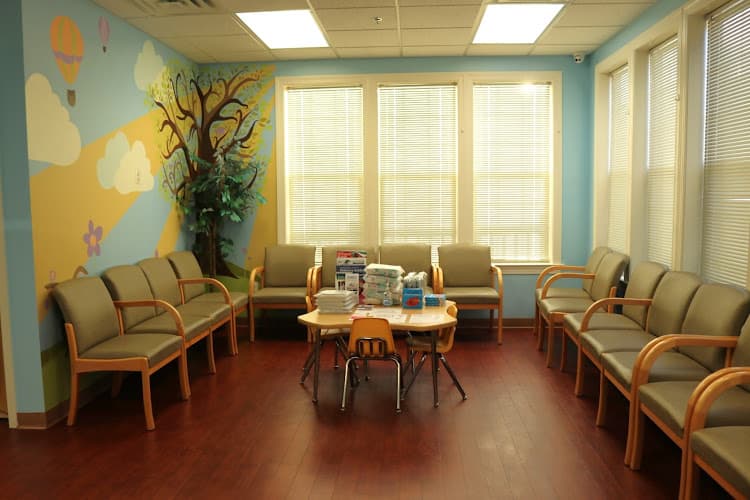
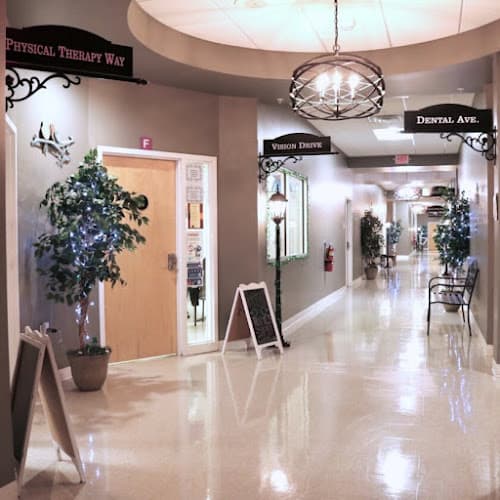
The facility is wheelchair accessible, with an accessible entrance, accessible restroom, and accessible parking. Restrooms are available on site, and the waiting area is set up with families in mind, including siblings who accompany a child to appointments. Treatment space is decorated seasonally and designed to read as a play environment rather than a medical office. Services are provided on site at the clinic.
Scheduling, Payment, and Practical Details
Appointments are required and recommended in advance. Families typically begin with an evaluation, after which a treatment schedule is established. Many pediatric therapy plans involve consistent weekly or twice-weekly visits over a period of months, so recurring time slots are often arranged at the outset. After-school slots tend to fill quickly at pediatric clinics, and families who need those times generally benefit from calling early.
The clinic accepts credit cards and debit cards. Ivy Rehab locations work with a range of commercial insurance plans as well as Pennsylvania medical assistance programs, and front office staff can help families verify benefits and understand coverage before treatment begins. A physician referral may be needed depending on the insurance plan, though Pennsylvania allows direct access to physical therapy under certain conditions. Prospective patients are advised to confirm referral and authorization requirements when they call.
The clinic is identified as LGBTQ+ friendly and as a transgender safe space, and families of all compositions are welcome.
Who the Clinic Serves
Typical referral sources include pediatricians, developmental specialists, early intervention coordinators, school districts, and parents who have noticed a delay or difficulty on their own. The clinic serves children with formal diagnoses as well as those who are simply not meeting expected milestones and would benefit from short-term intervention. Families transitioning out of early intervention at age three frequently continue outpatient services at clinics like this one, and the Limerick team is equipped to pick up that continuity of care.