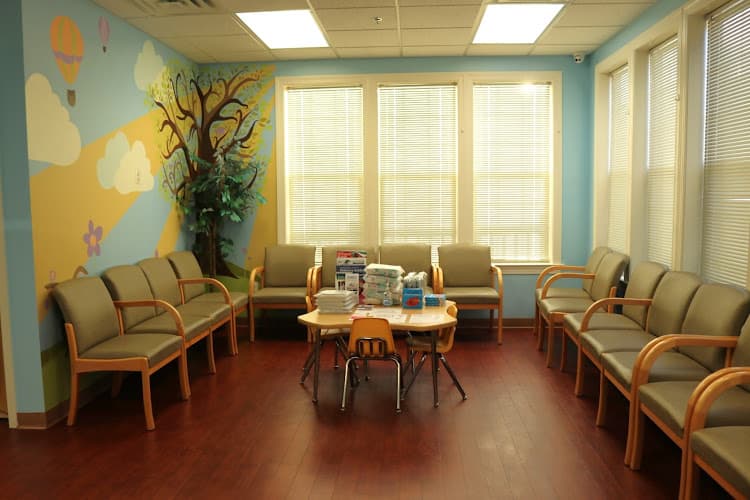
Ivy Rehab for Kids is a pediatric therapy clinic located at 36 Glocker Way in Pottstown, Pennsylvania. The practice provides outpatient speech-language pathology, physical therapy and related pediatric rehabilitation services for infants, toddlers, school-age children and teenagers. It operates as part of the Ivy Rehab Network, a multi-state group of outpatient therapy clinics, and the Pottstown location follows the network's pediatric model, which places children's services in a dedicated space designed around play-based treatment rather than an adult clinic environment.
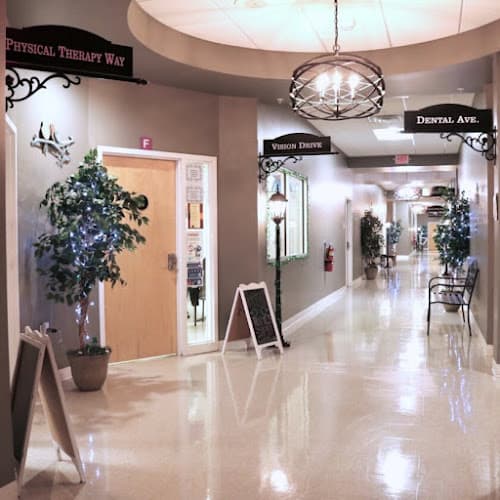
The clinic serves families throughout the Pottstown area and the surrounding communities of northern Chester County, western Montgomery County and southern Berks County, including Boyertown, Gilbertsville, Spring City, Royersford, Phoenixville, Limerick, Douglassville and Birdsboro. The Glocker Way address sits within the medical and professional corridor near Pottstown Hospital, which makes the site convenient for families already traveling to the area for pediatric appointments or specialist referrals.
Services Offered
The practice is categorized primarily as a speech pathology provider, and speech and language therapy makes up a substantial portion of the caseload. Pediatric speech-language services generally address a broad set of communication and feeding concerns, and at this clinic the work commonly includes:
- Articulation and phonological disorders, including difficulty producing specific letter sounds
- Expressive and receptive language delays
- Late talkers and early language development in toddlers
- Fluency and stuttering concerns
- Social and pragmatic language skills
- Oral motor and feeding difficulties
- Literacy-related language skills, including phonological awareness
Pediatric physical therapy is also delivered at the Pottstown site. Physical therapy services for children typically address gross motor delays, torticollis and plagiocephaly in infants, toe walking, coordination and balance difficulties, hypotonia, post-surgical recovery, sports injuries in older children and concussion management. The clinic has experience guiding young athletes and students through concussion recovery protocols, which involve graded activity progression, symptom monitoring and coordination with schools and physicians on return-to-learn and return-to-play planning.
Occupational therapy and related developmental services are part of the broader Ivy Rehab for Kids model as well, covering fine motor skills, handwriting, self-care tasks, sensory processing and visual motor integration. Families who are uncertain which discipline a child needs can generally begin with an evaluation, after which the clinical team recommends a plan or refers to an appropriate service.
How Care Is Structured
Treatment typically begins with a comprehensive evaluation. For speech therapy, that may include standardized testing, a language sample, an oral motor examination and a conversation with parents or caregivers about developmental history and daily communication patterns. For physical therapy, the evaluation generally covers strength, range of motion, balance, gait and functional movement appropriate to the child's age.
From the evaluation, therapists develop measurable goals and a plan of care with a recommended visit frequency. Sessions are usually scheduled weekly or twice weekly, with periodic reassessment to document progress and adjust targets. Because pediatric therapy depends heavily on engagement, sessions are built around games, movement activities, toys, themed challenges and other play-based methods that keep the therapeutic target embedded in something a child actually wants to do.
Parent and caregiver participation is a standing part of the model. Therapists explain what they are working on, demonstrate techniques and provide activities that can be carried into the home, school routines and everyday situations such as mealtimes, car rides and play. Families often receive practical suggestions rather than lengthy formal homework, since carryover outside the clinic is a significant factor in how quickly children generalize new skills.
Clinical Team
The Pottstown clinic is staffed by licensed speech-language pathologists and licensed physical therapists with pediatric training and experience. Therapists named regularly by local families include Hailey, Heidi, Shea, Katie and Andrew, who work across speech therapy and physical therapy caseloads. The staff includes clinicians experienced with early intervention age ranges as well as those who work with school-age children, adolescents and student athletes.
Ivy Rehab clinics generally support continuing education and mentorship for their therapists, including access to clinical resources across the wider network. That structure allows the Pottstown team to consult on complex cases and stay current with pediatric practice standards in areas such as concussion care, feeding therapy and motor development.
Appointments, Payment and Referrals
Appointments are required, and scheduling in advance is recommended. Families can arrange an evaluation by phone at +1 570-403-6902. Pennsylvania allows direct access to physical therapy under certain conditions, though many insurance plans still request a physician referral for coverage; parents are encouraged to confirm referral requirements with their insurer before the first visit. Speech therapy referrals often originate from pediatricians, ENT specialists, developmental pediatricians, dentists or school personnel, but families may also self-refer when they have concerns.
The clinic accepts credit cards and debit cards. Ivy Rehab clinics work with a wide range of commercial insurance plans, and the front office can verify benefits, explain copays, coinsurance and deductible responsibilities, and outline what a course of therapy is likely to cost before treatment begins. Families transitioning out of county early intervention services at age three frequently move into outpatient clinics like this one, and staff can help coordinate that handoff.
Facility and Accessibility
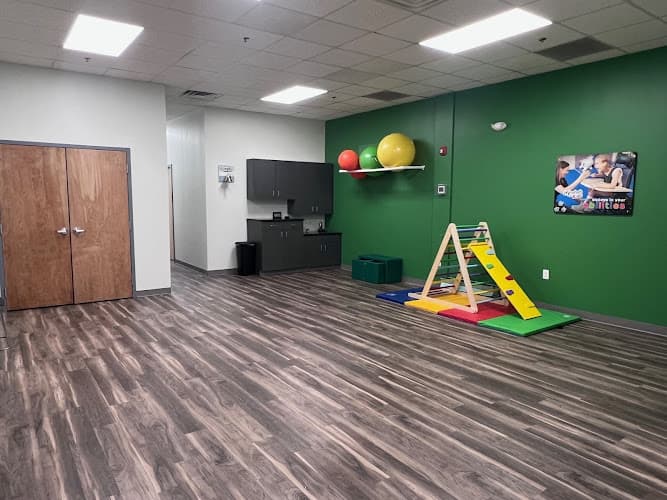
The Glocker Way location includes a treatment space equipped for pediatric work, with therapy gym equipment for physical therapy and dedicated rooms for speech sessions. Restrooms are available on site for patients and families.
The building offers accessible features throughout, including a wheelchair accessible entrance, a wheelchair accessible restroom and a wheelchair accessible parking lot. This matters for families whose children use wheelchairs, walkers, gait trainers or adaptive strollers, as well as for those arriving with siblings and equipment in tow. On-site parking is available.
The clinic is identified as LGBTQ+ friendly and a transgender safe space, an indication that staff aim to make all families comfortable regardless of household structure or a child's gender identity.
Practical Notes for New Families
- Bring any relevant documentation to the first visit, such as a physician referral, prior evaluation reports, Individualized Education Program or Individualized Family Service Plan paperwork and the child's insurance card.
- Plan for the initial evaluation to take longer than a standard treatment session.
- Dress children in comfortable clothing and sneakers for physical therapy appointments, since sessions involve active movement.
- Ask about appointment times that work with school schedules, as after-school slots are typically in higher demand.
- Communicate schedule changes as early as possible so the clinic can offer alternative times.